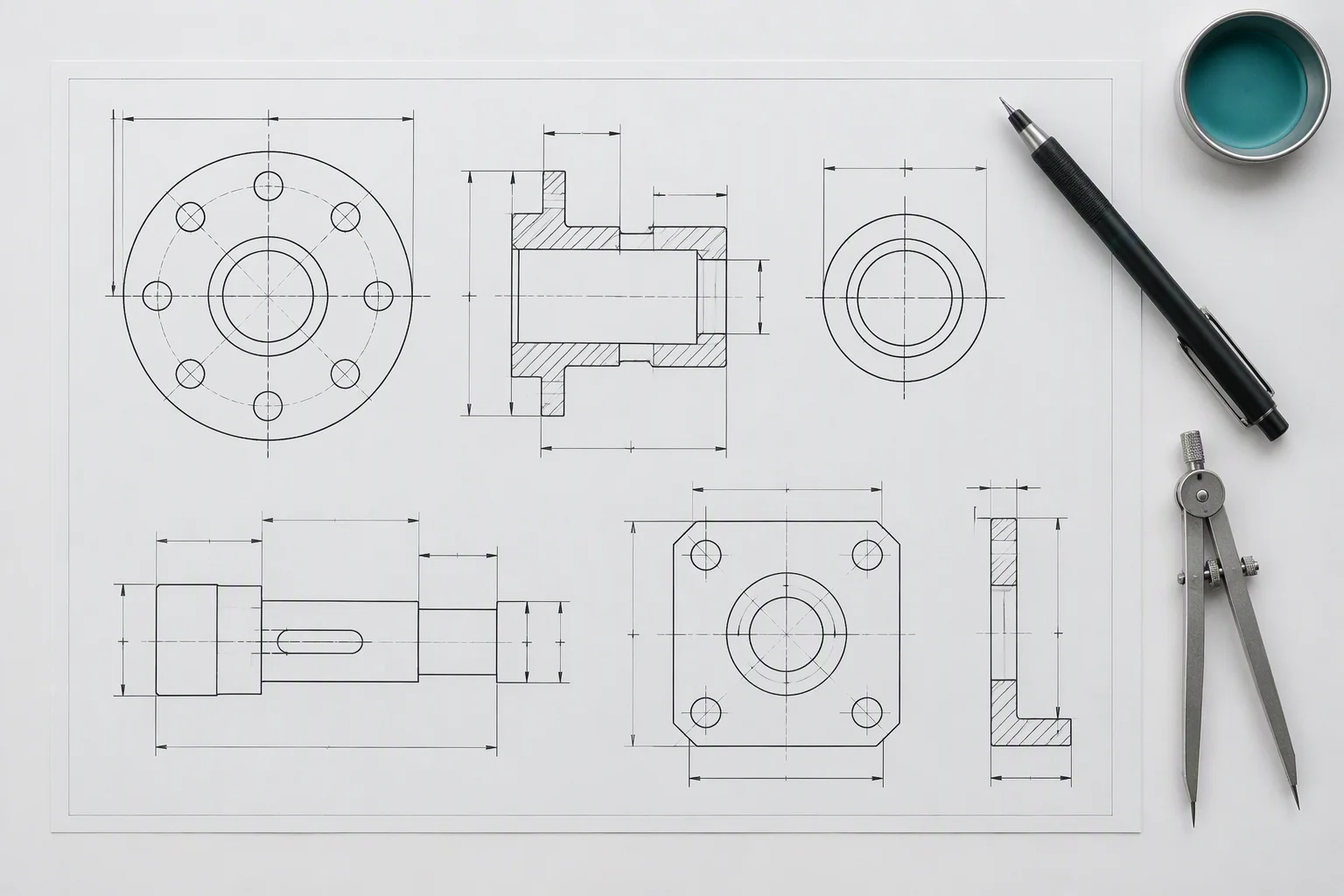
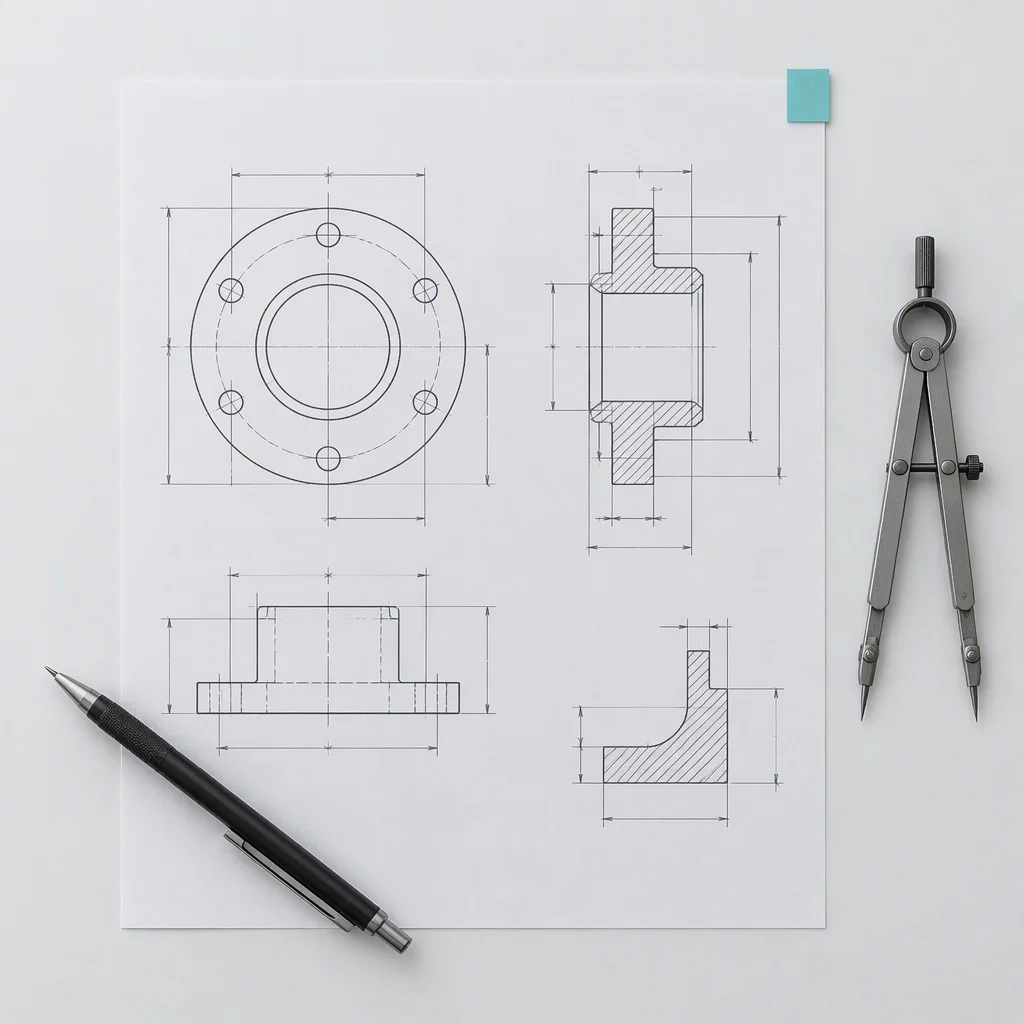
 FEAR-01
Category error
A process standard quoted as an acceptance standard, a personnel certificate quoted as a factory qualification.
process vs acceptanceperson vs plant
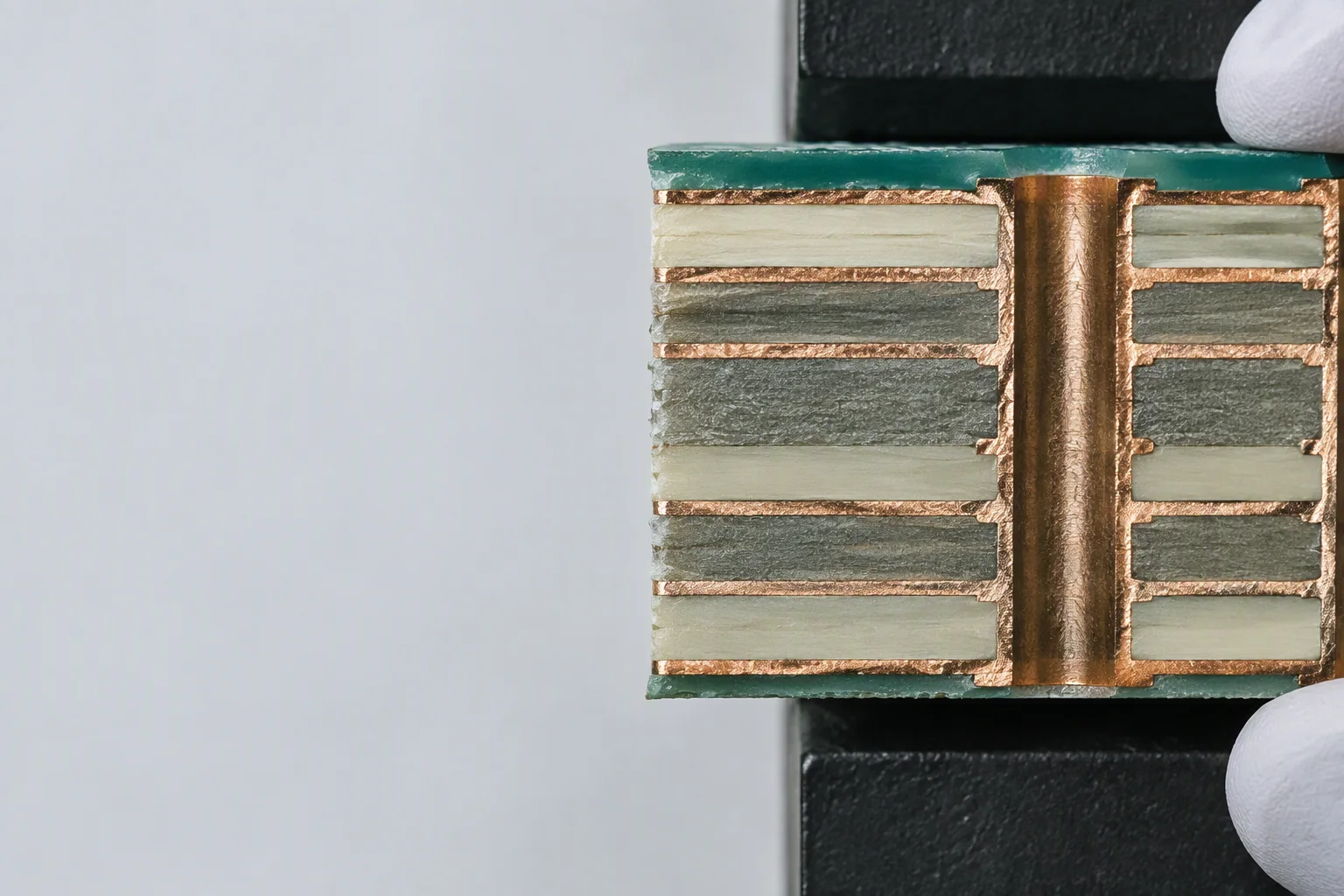
Service 04 · technical assessment · written by engineers
A supplier's reply arrives as a list of standard codes. Without someone who knows what each one governs, the list is unreadable.
01The fear
FEAR-01
A process standard quoted as an acceptance standard, a personnel certificate quoted as a factory qualification.
 FEAR-02
A standard quoted without the thickness, the class or the version that makes it mean anything.
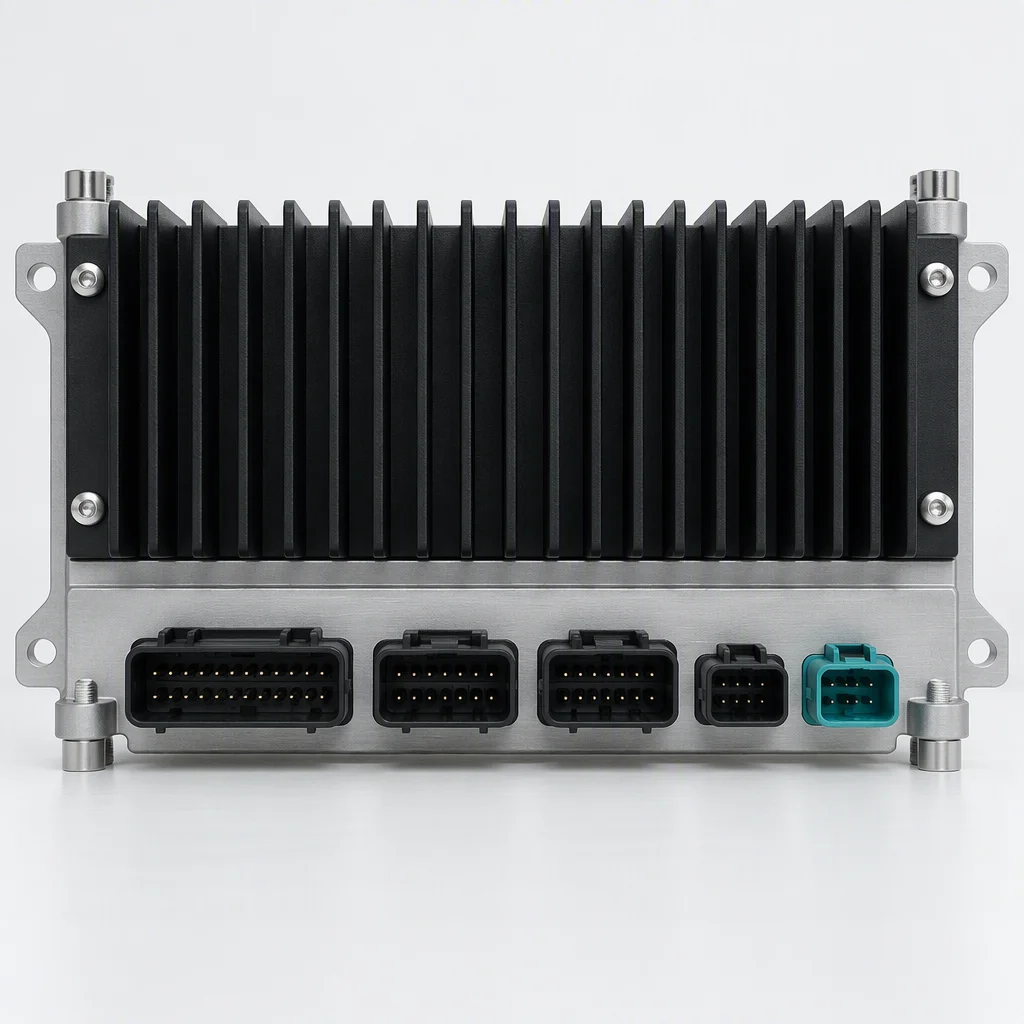 FEAR-03
No class was ever written into the purchase order, so the factory built to its own default.
 FEAR-04
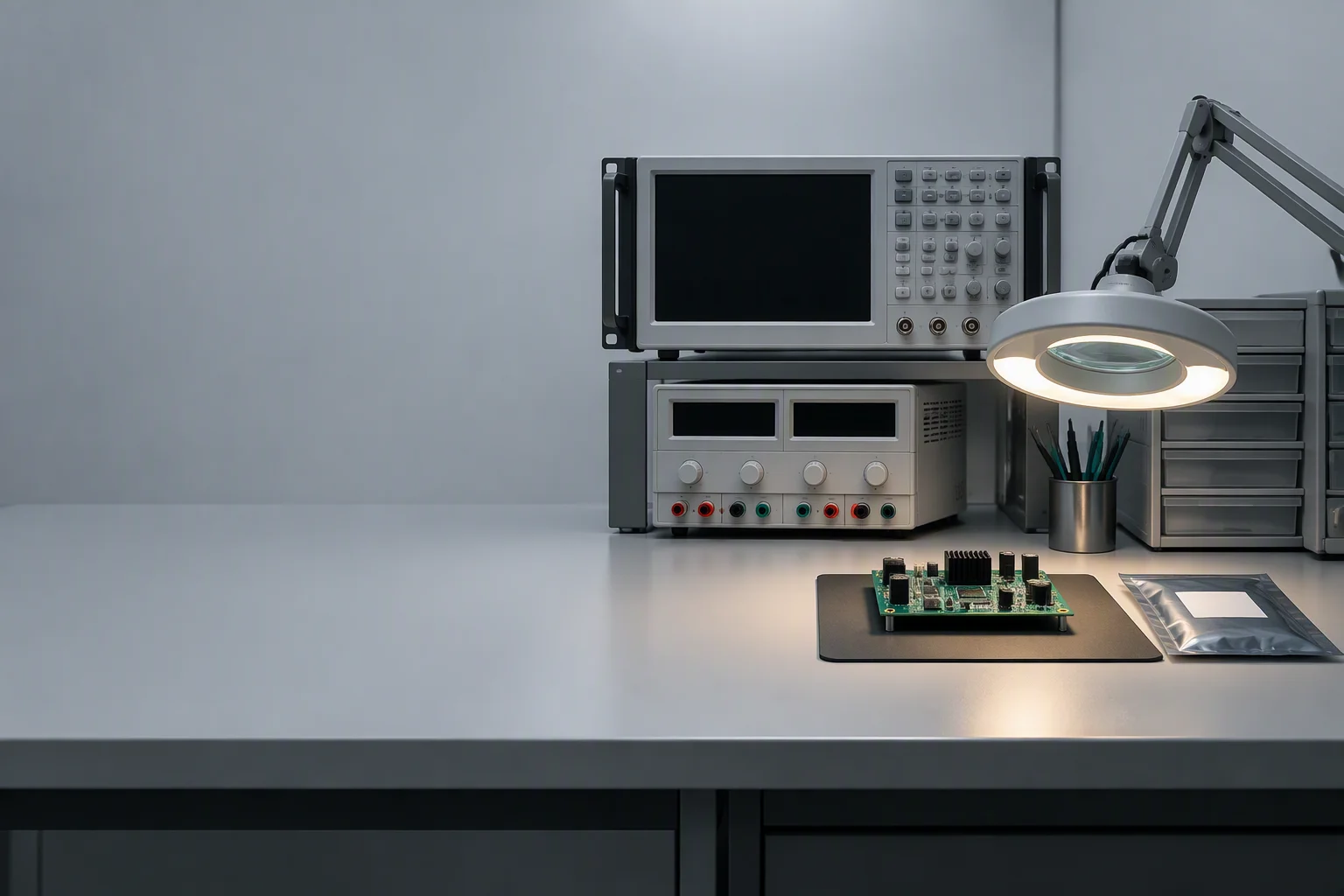
A long list of standard codes reads as thorough. Three error types account for most unenforceable claims.
02Deliverable · the written assessment
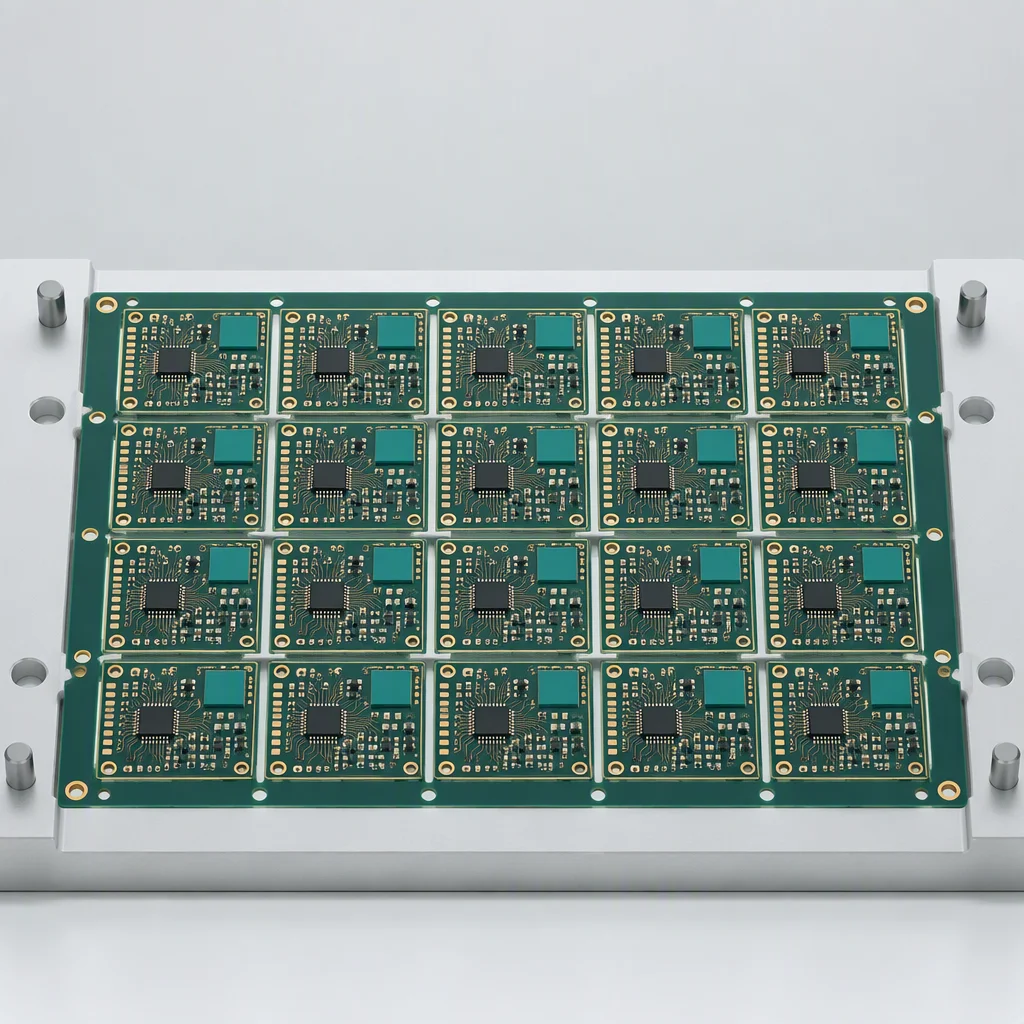
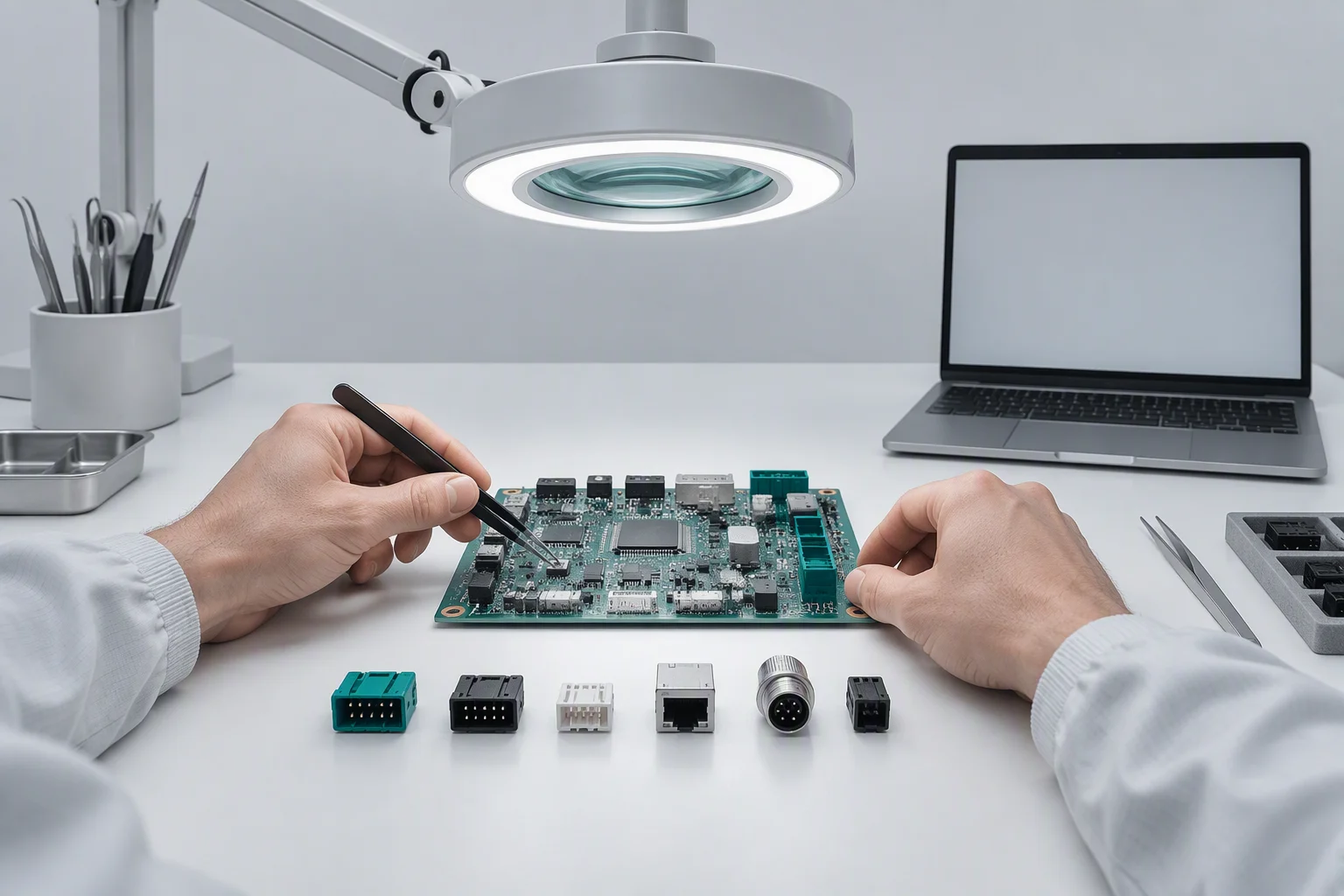
Third-party evidence is the buyer's own verification, not ours: you choose the laboratory and you contract it.
03Reference · the document family
 STD-01
Revision J, March 2024, 430 pages. This is what an inspector works from — and the class inside it is yours to name.
 STD-02
Revision J, March 2024, 116 pages. A process document, quoted constantly as though it were an acceptance document.
STD-03
Revision M, May 2025, 212 pages: bare-board acceptability. Board requirements live in the 601X documents, and quoting one does not invoke the other.
STD-04
The rigid-board specification runs 80 pages. Flex and rigid-flex sit in a separate document, Revision F, released 2026-08-25.
 STD-05
Revision D, December 2023, 286 pages. Rework has its own document; writing “rework permitted” without naming it leaves the method to the line.
STD-06
IPC-A-610J §1.1 gives no criteria for cross-section or X-ray inspection. BGA void judgement is written against IPC-7095 instead.
04Decision layer · the class
CLS-01
About 70% of global assembly volume, and the class a factory uses when the purchase order says nothing.
CLS-02
20–40% added assembly cost, associated with 8–15% defect rates against 2–5% for Class 2.
CLS-03
Class 2 needs solder wetting on at least 75% of the pad; Class 3 needs a 100% fillet and 75% hole fill.
05Inputs · what we need from you
IN-01
Fabrication drawing, assembly drawing and the layer stack-up, at the current revision.
IN-02
Manufacturer part numbers, approved alternates, and any second-source you will accept.
IN-03
The answer as you received it, badges included. We will mark which parts are unusable and why.
 IN-04
Destination market, annual volume, and the approvals the product must hold there.
06Where it fits
NEXT-01
Incoming inspection, in-process checks and the calibration record behind the numbers.
 NEXT-02
Where the class statement and the revised drawings are carried into Chinese.
 NEXT-03
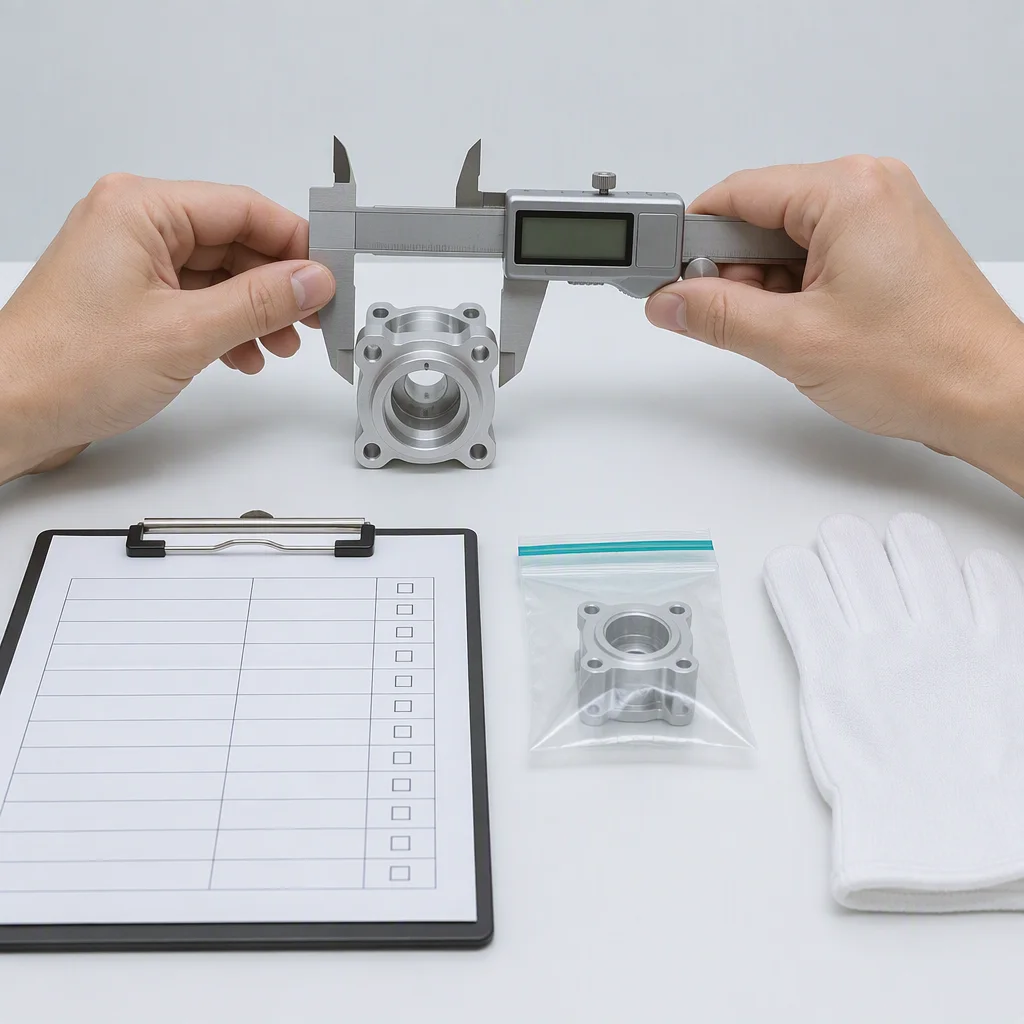
The inspection that proves the class was actually built, on the batch, before shipping.
NEXT-04
Who signs the assessment, and what they assess our own boards against.
No partner factory is named on this page. Naming one would read as an endorsement; every partner is listed on the network pages.
07Start
The fuller the package, the faster the review. A photograph of a board takes longer than a drawing set.
Written technical assessment, from eric@dfshk.cn.
Start · short form
One line is enough to start. An engineer answers, not a chatbot.
We answer from eric@dfshk.cn. If you have a drawing or a spec sheet, reply to that message and attach it.