EMS–TRADE Electronics export trading
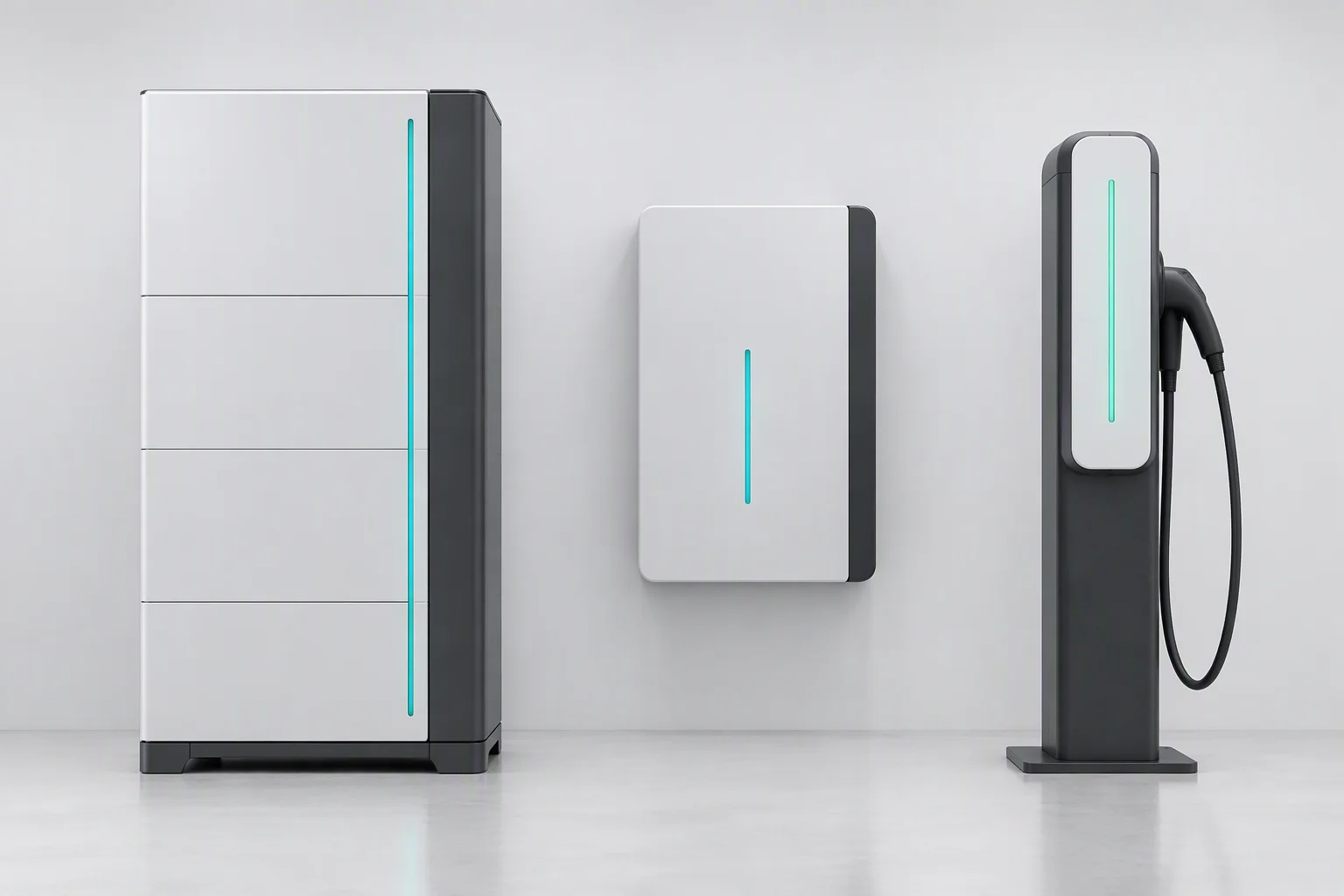
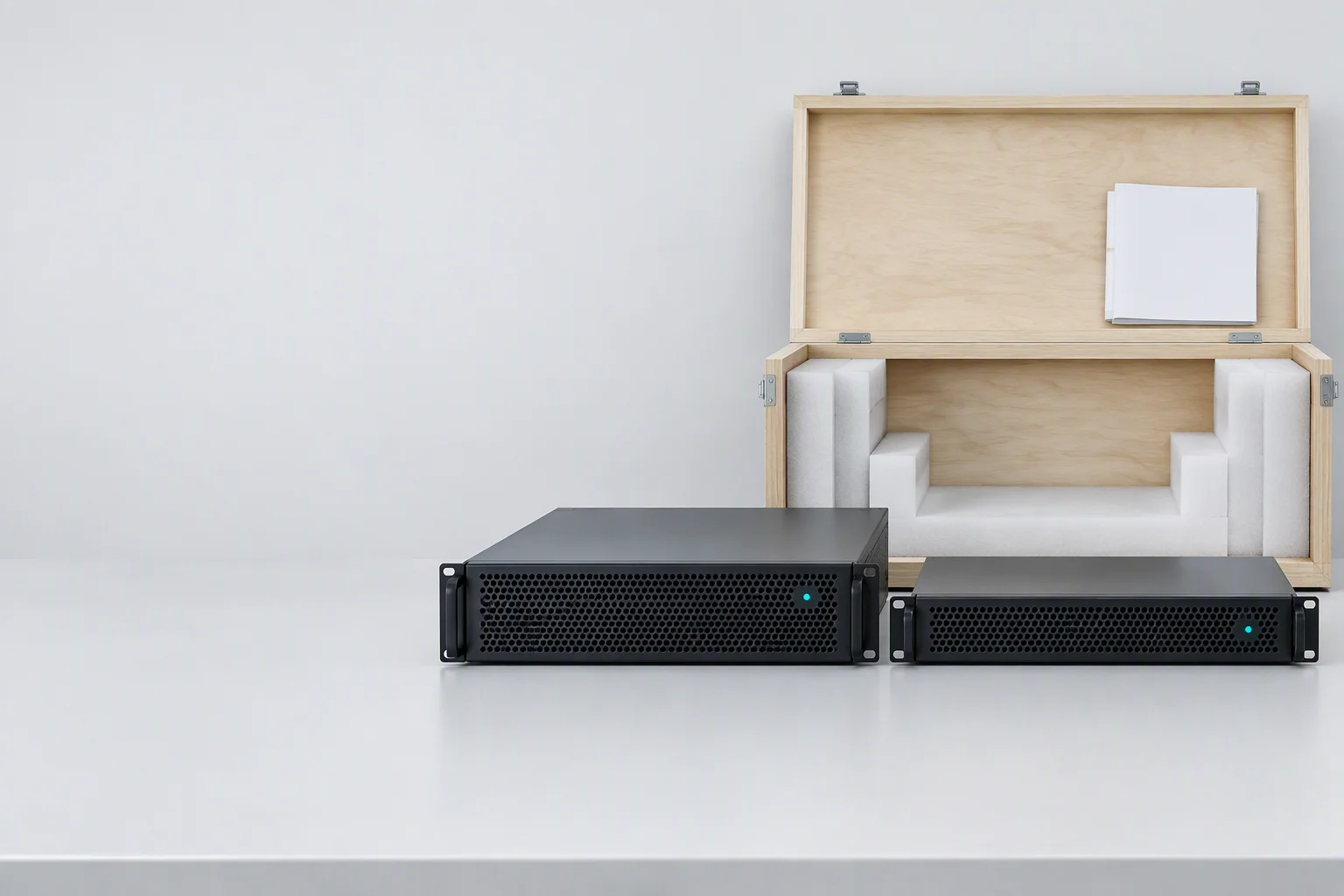
A finished rack battery backup shelf and a metering rack PDU laid side by side on a pale bench, an open wooden export crate squared behind them with a blank load-test sheet on its lid

Trust layer · programme archetypes · anonymised by design

Programmes the network has delivered

Show me work like mine, and show me the evidence rather than the logos. This page gives the shape of the programme and the numbers behind it, never a client name.

Archetypes
5
Programme shapes on this page, each built from partner-published numbers
Named customers
0
No buyer is identified here, and no client logo appears anywhere on this site
Installed reference
650+
Chargers across 95 sites in a partner-published case; the operator is unnamed and is not our customer
Evidence types
5
Leak-test report, calibration record, FAI report, functional-test record, serial-level test data

01Read this first · what is anonymised, and why

An archetype is a shape, not a reference.
24 sites · 5 groups12 orderable categoriesVerified 2026-09-13
Rule Client names are not public Nothing on this page identifies a buyer. No client logo appears anywhere on this site, and no case study is written from a named contract.
Basis Partner-published figures Each archetype combines product and capability numbers the partner sites publish themselves. The combination is ours; the figures are theirs.
Installed estate The one public deployment result A charging partner publishes 650+ chargers across 95 sites for a fuel-station group. The operator is not named, and it is not presented as our customer.
Verify Check the network, not the page All 24 sites were HTTP-verified reachable on 13 September 2026. The register lists every site, its families and its published certifications.
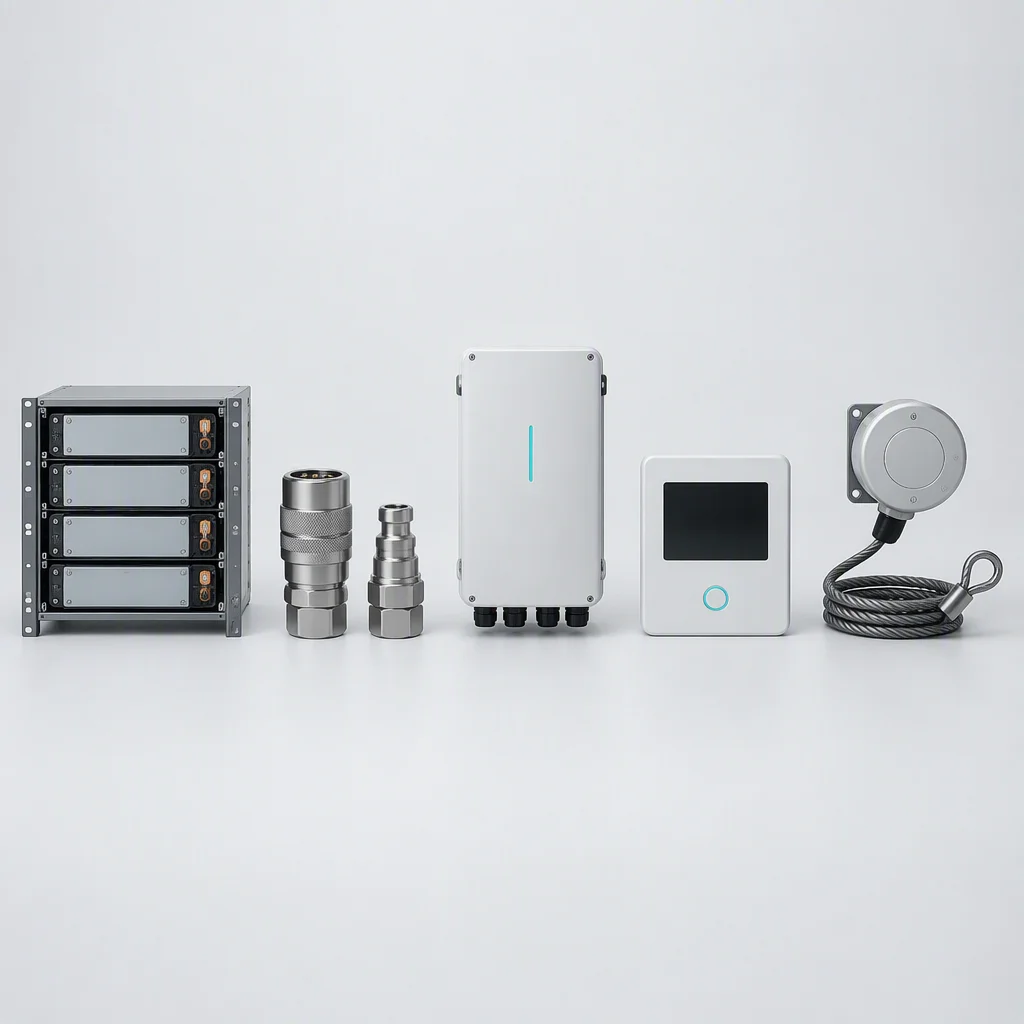
Five finished objects in one level row on a plain pale surface: a rack battery shelf, a machined coupling pair, a wall storage unit and two further finished units
Fig. 01Five shapes, one page. Each archetype below is one row of this group, described rather than sold.
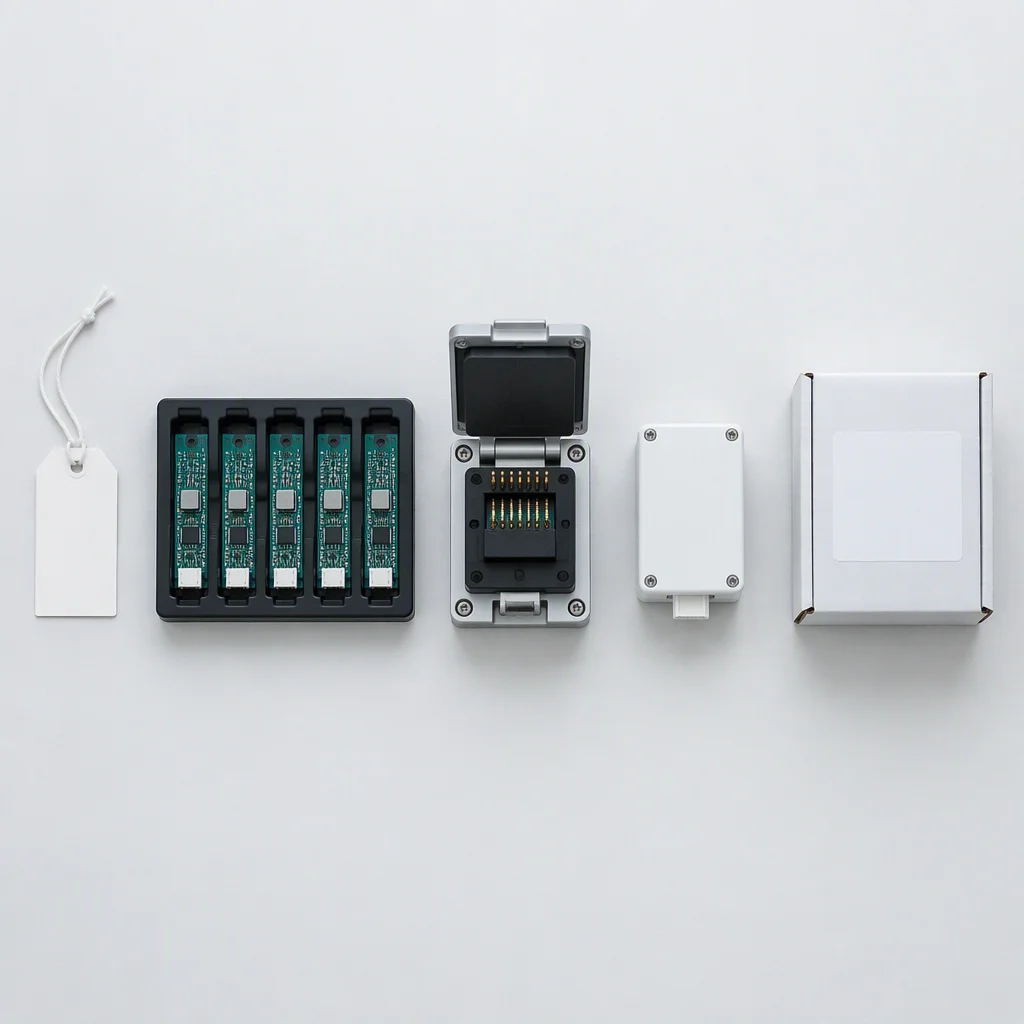
Five items in one level row on a pale ground: a blank lot tag, a shallow tray of identical boards, a test fixture, a sealed module and a sealed carton
Fig. 02Evidence beats a logo wall. Lot tag, batch tray, test fixture, sealed unit, carton: ask for these instead.
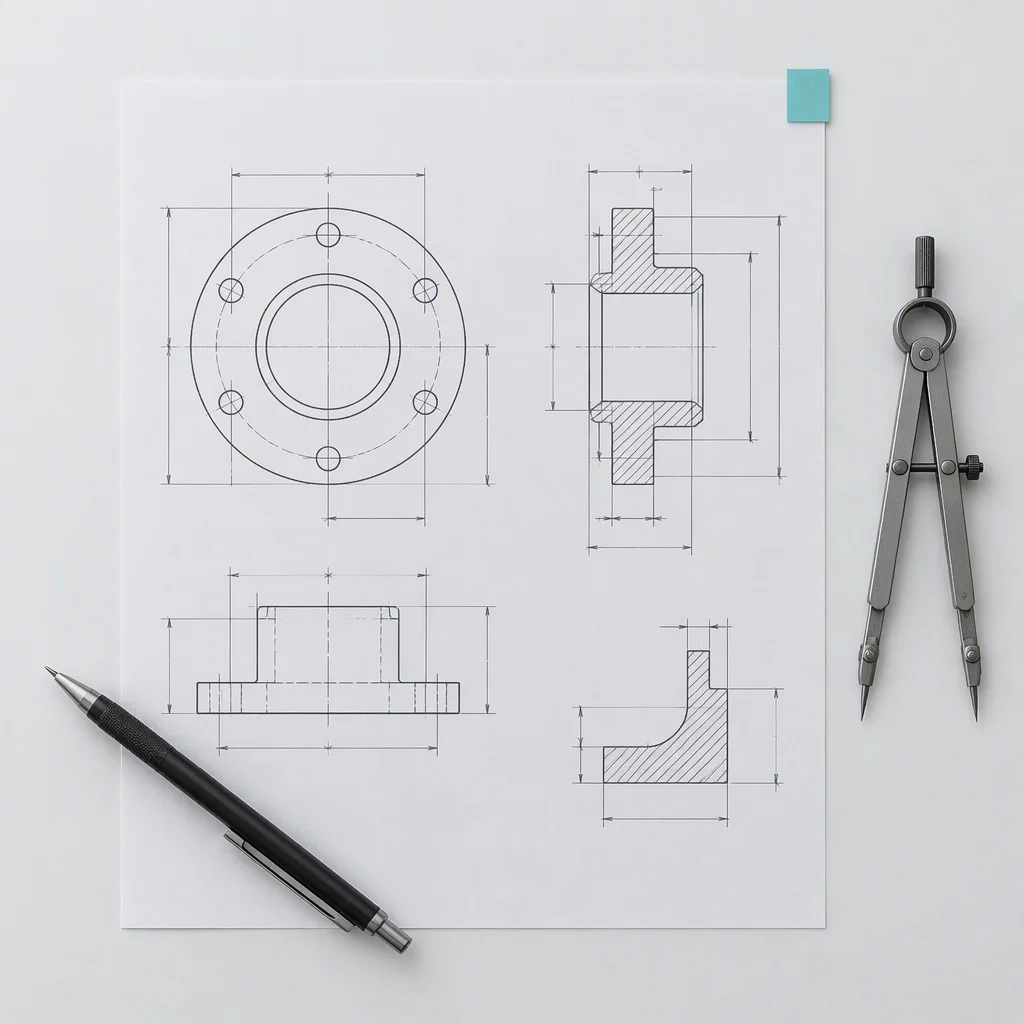
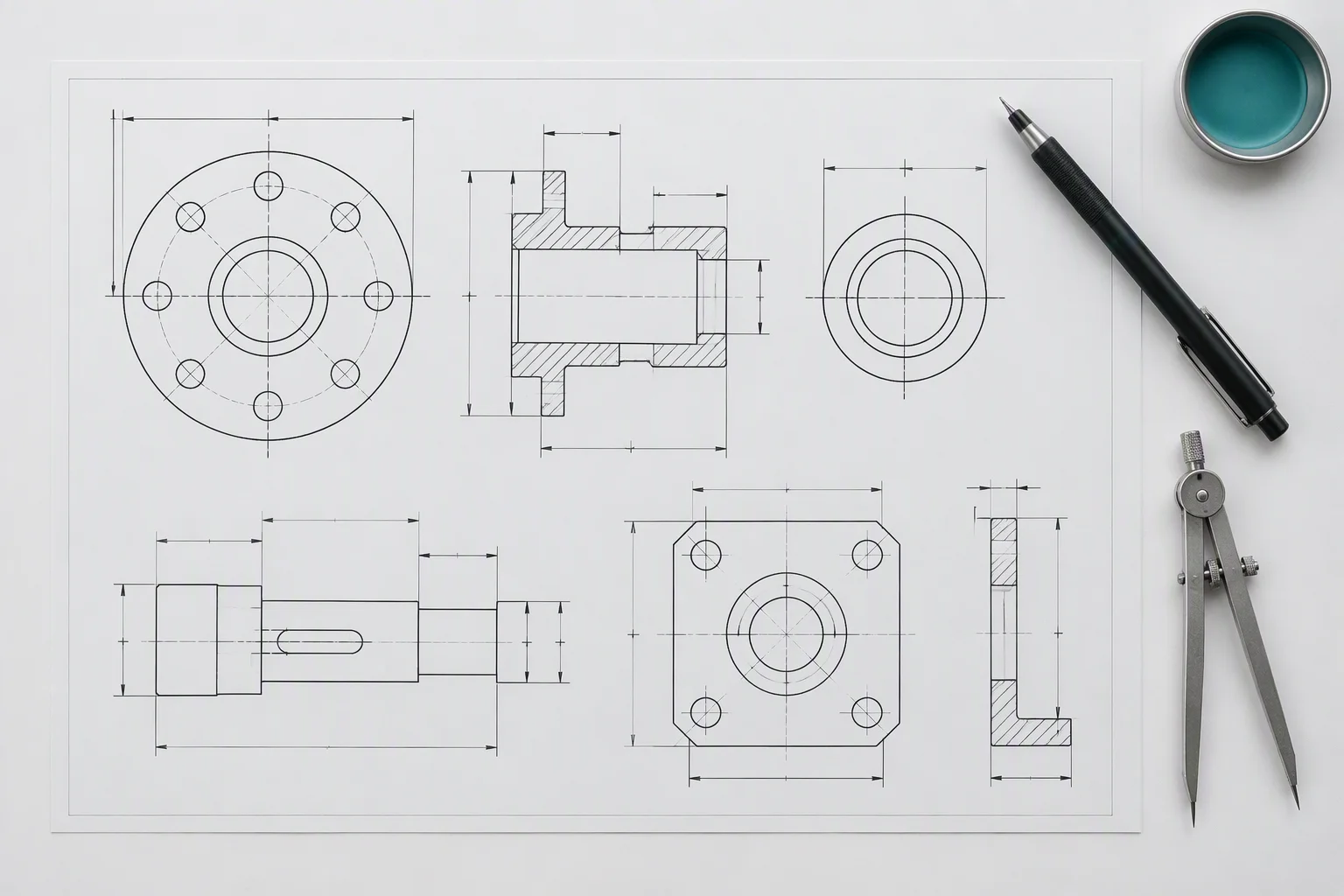
A single technical drawing sheet on a pale surface with a pen, dividers and one tab marking a clause
Fig. 03Every claim has a document. A drawing, a report or a record — or it does not go on this site.
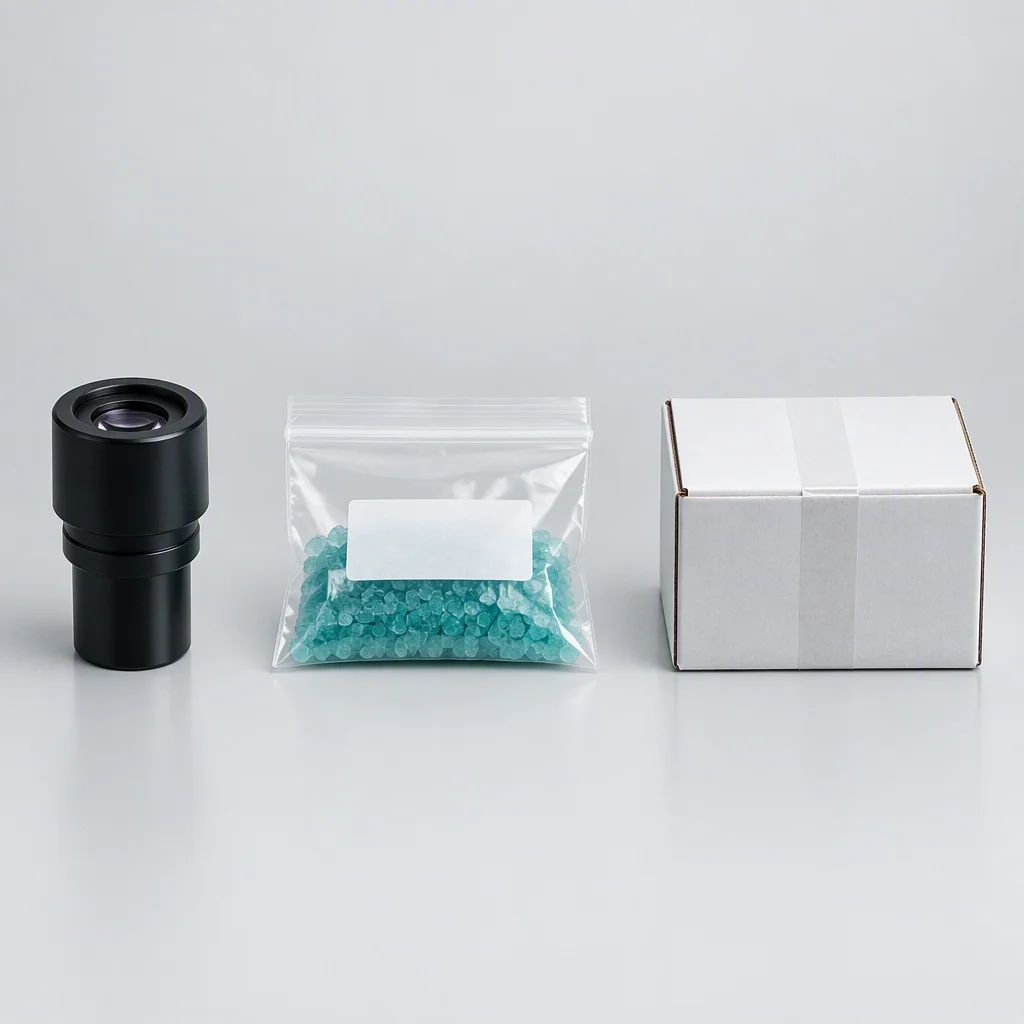
Three items on a plain background: a microscope eyepiece, a sealed sample bag with a blank label and a plain laboratory courier box
Fig. 04Independent confirmation is available. Samples and written reports can go to an accredited laboratory you choose.

02Archetype 01 · anonymised

AI rack power, and the backup layer behind it.
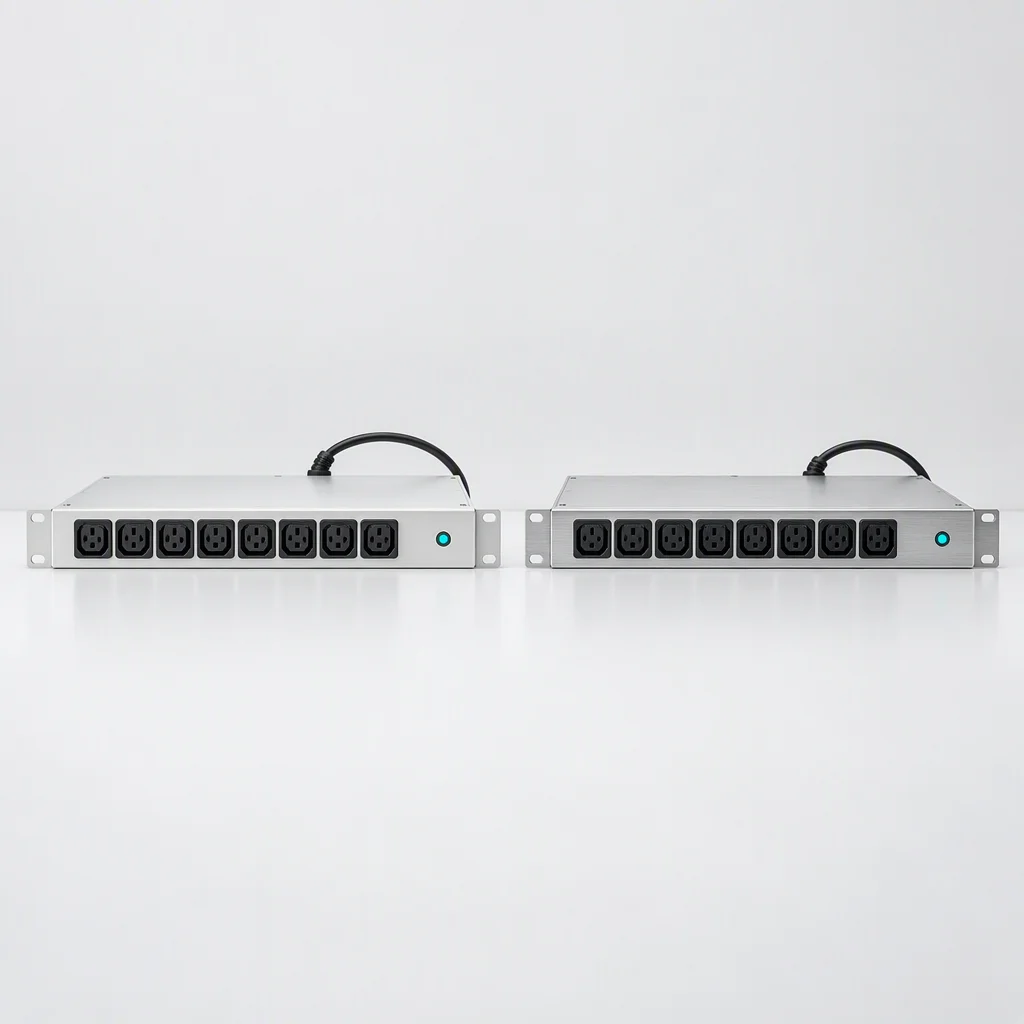
Data centre & AI142 kW per-rack ceiling<1 ms bridge
Industry Data centre and AI infrastructure A rack power chain where density, not floor space, sets the specification.
Requirement One chain, two transient windows Rack PDU, busway and CRPS shelves specified together, with a battery tier for minutes and a supercapacitor tier for the millisecond excursion a battery never sees.
What we did Specified the power chain as one package Metering level, shelf envelope and backup transfer time were agreed as one specification before any unit was quoted.
Outcome 142 kW ceiling, 96% Titanium, ±1% metering 100% burn-in coverage; 5.12 kWh per 3U battery shelf at under 1 ms transfer; 6,000-cycle class at 25 °C; supercapacitor tier from 1 to 50 ms.
A finished rack PDU and matching DC power shelf standing on a pale bench, front-on
Fig. 05Distribution. Metered per outlet, so a chargeback number exists before the rack is live.
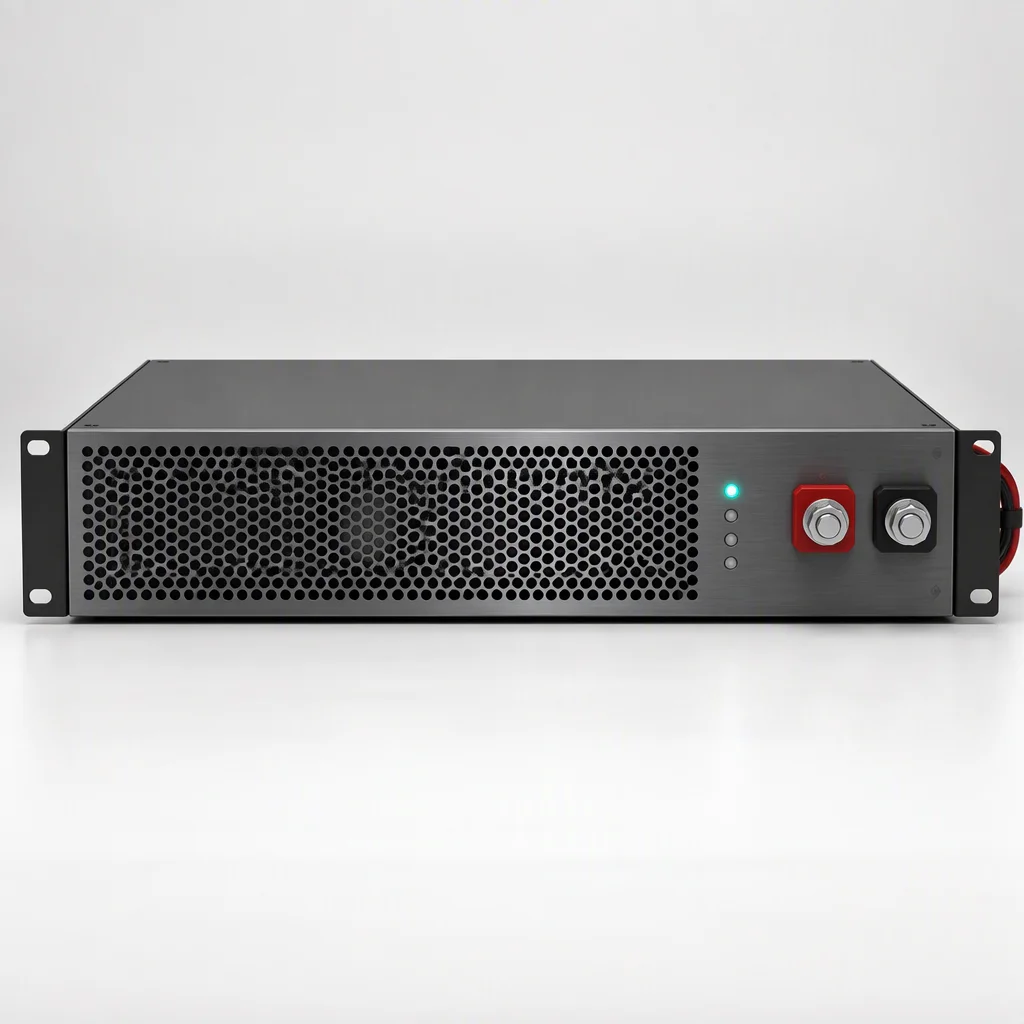
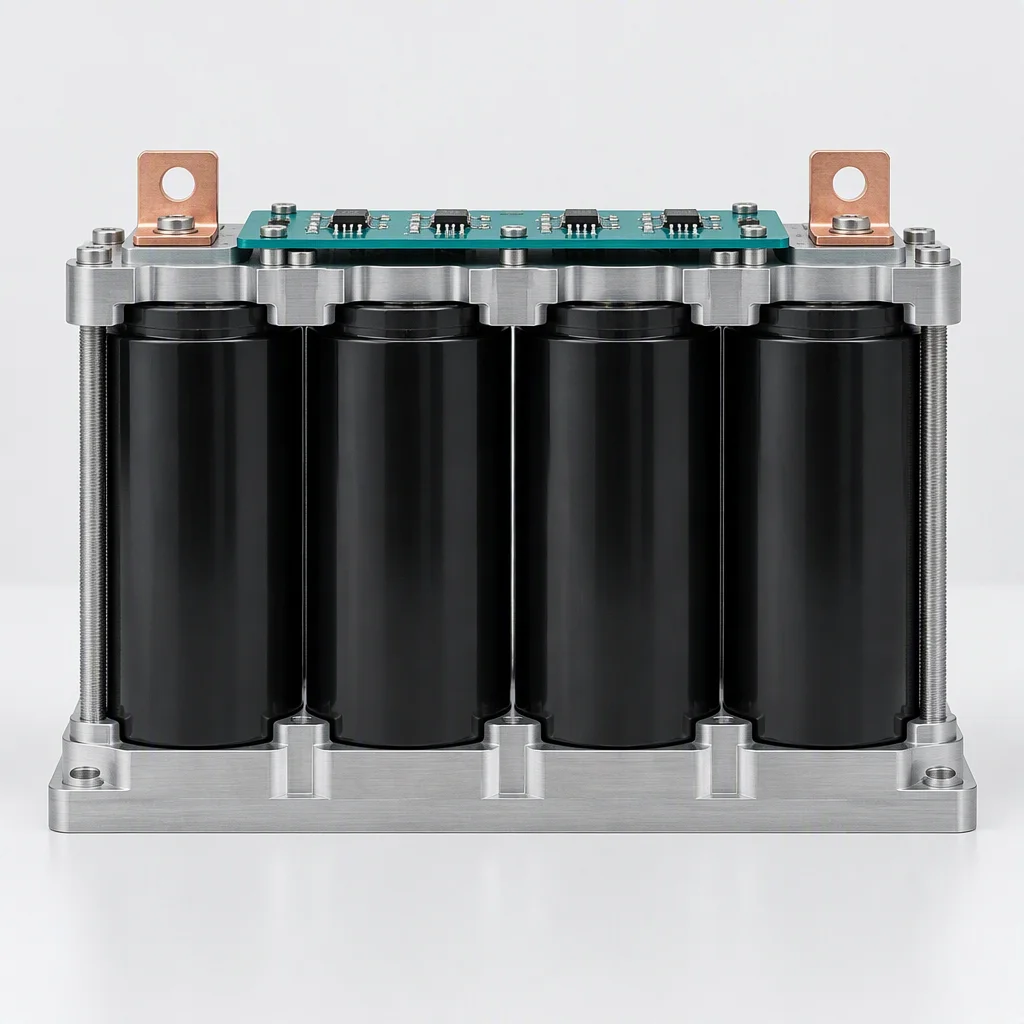
A finished rack battery backup unit with a perforated front grille and heavy DC terminals
Fig. 06Bridge. 5.12 kWh per 3U shelf, current-shared across up to 15 shelves on one bus.
A finished 48 V supercapacitor module with four cells in a machined cradle and copper busbar terminals
Fig. 07Transient tier. 1–50 ms, 500k+ cycle class at 3.5 V, cold start at −40 °C.

03Archetype 02 · anonymised

The liquid-cooling interface, specified once.
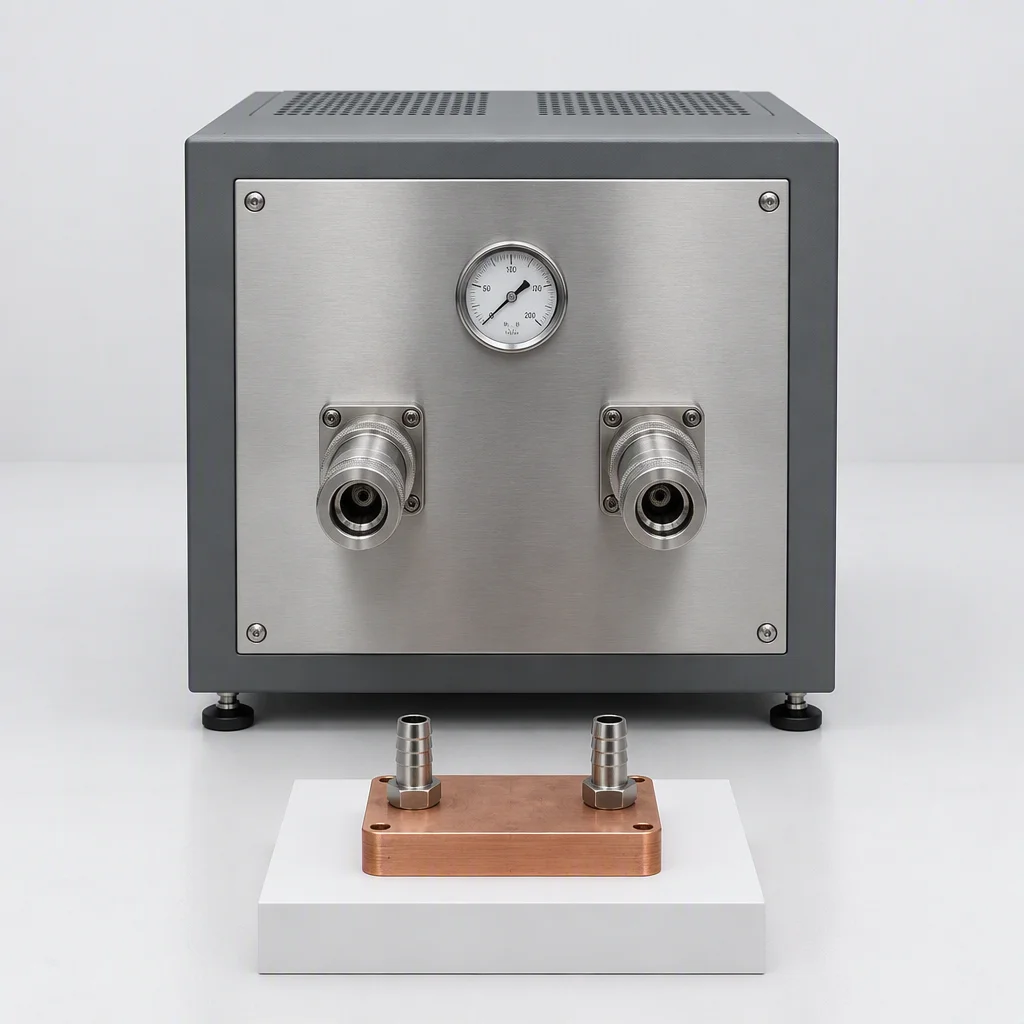
OCP UQD02–08100% helium leak tested5,000× mate cycles
Industry Data centre thermal The connection between the coolant distribution unit and the rack, where a drip becomes an outage.
Requirement One interface package, not three Quick disconnects and rack manifolds bought as one interface, so the joint is specified once instead of assembled from three vendors' assumptions.
What we did Held the interface to one drawing Valve-seat tolerance, cleanliness class and mate-cycle life were written into the purchase order, with a test report required per unit.
Outcome Every unit helium leak tested OCP UQD02 / 04 / 06 / 08 sizes; ±0.01 mm valve-seat tolerance; ISO 4406 cleanliness control; report in the carton; MOQ 50 pcs, standard parts in 15 days.
A finished coolant distribution unit with two quick-disconnect hose ports and a copper cold plate
Fig. 08The source. A CDU whose ports decide which coupling the rack can use.
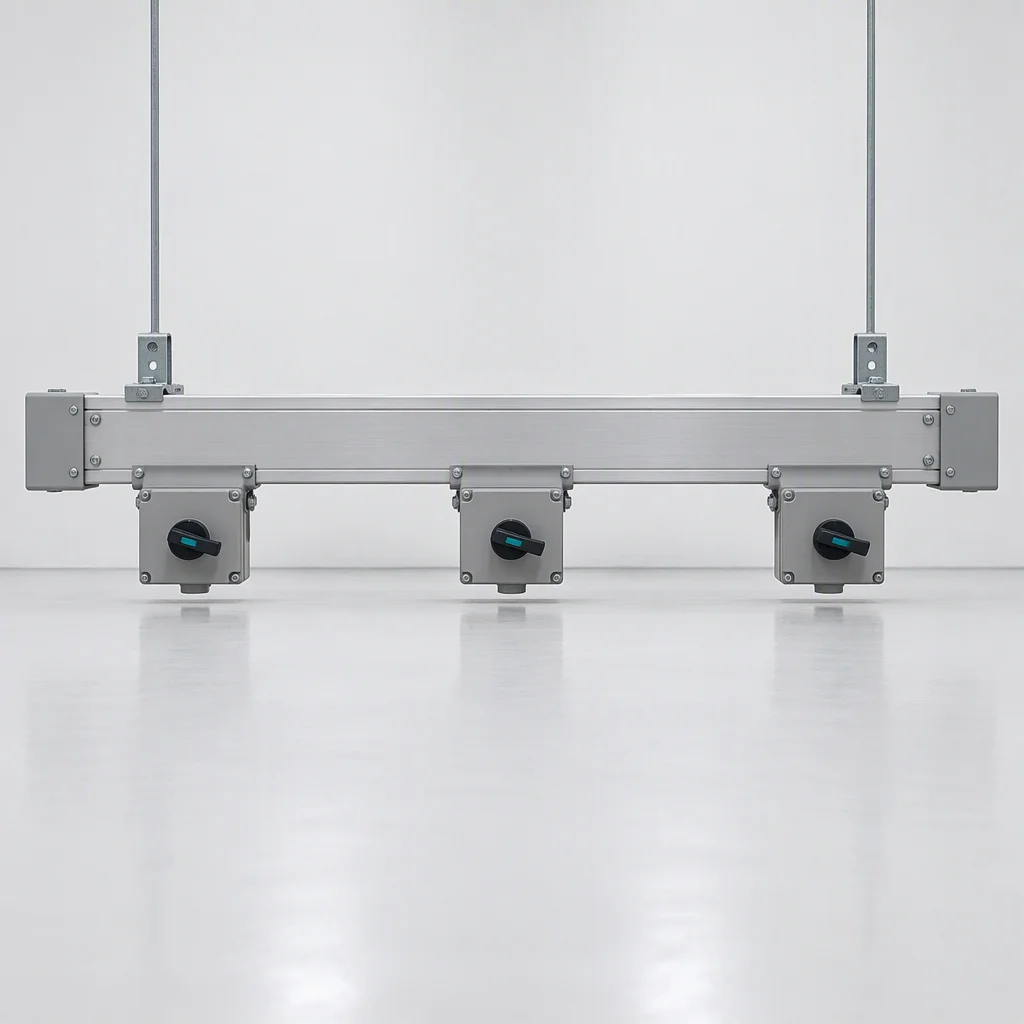
A finished busway run with three tap-off boxes and rotary breaker handles, suspended on brackets
Fig. 09Above the rack. Busway and liquid runs share the same ceiling reservation.
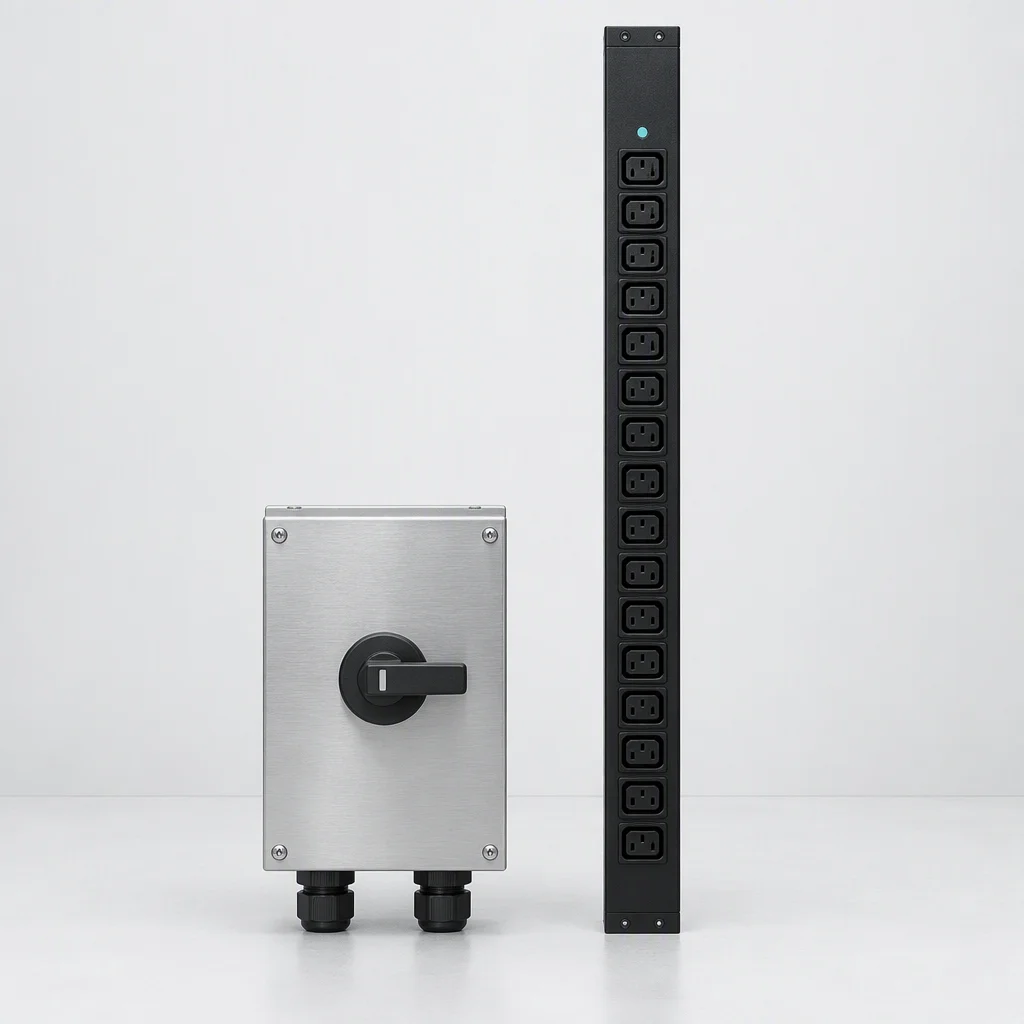
A finished busway tap-off box and a vertical metered rack PDU standing side by side on a pale floor
Fig. 10The rack end. Tap-off and PDU, so power and coolant arrive at one frame.

04Archetype 03 · anonymised

Residential and microgrid storage, against a grid code.
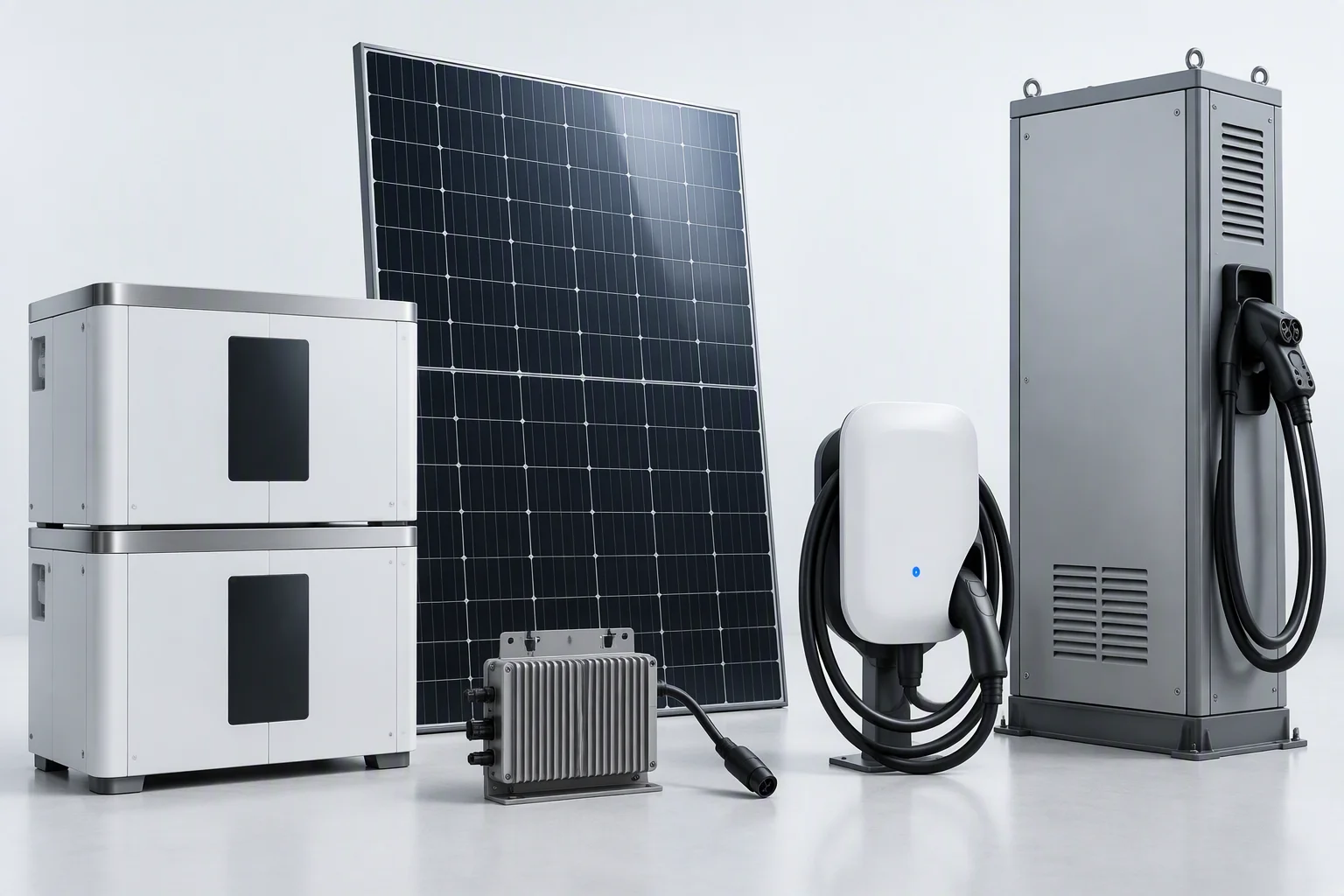
5.12–30.72 kWh10 ms switchover10,000 cycles at 100% DOD
Industry Residential and microgrid energy Storage sold into a national grid-connection regime, where the destination decides the approval route.
Requirement Cycle life and switchover agreed before tooling Capacity range, transfer time and warranty structure fixed against the grid code of the destination market, not against a datasheet.
What we did Wrote the warranty and the test condition first Wall-mounted and stackable LiFePO4 specified with the cycle figure quoted at its test condition: 100% depth of discharge, 0.2C at 25 °C.
Outcome 10 ms UPS-class switchover, 5 + 10 year warranty 5.12–30.72 kWh expandable; IEC 62109-1 and -2, VDE-AR-N 4105, G99 and EN 50549; distribution already established in 20+ countries.
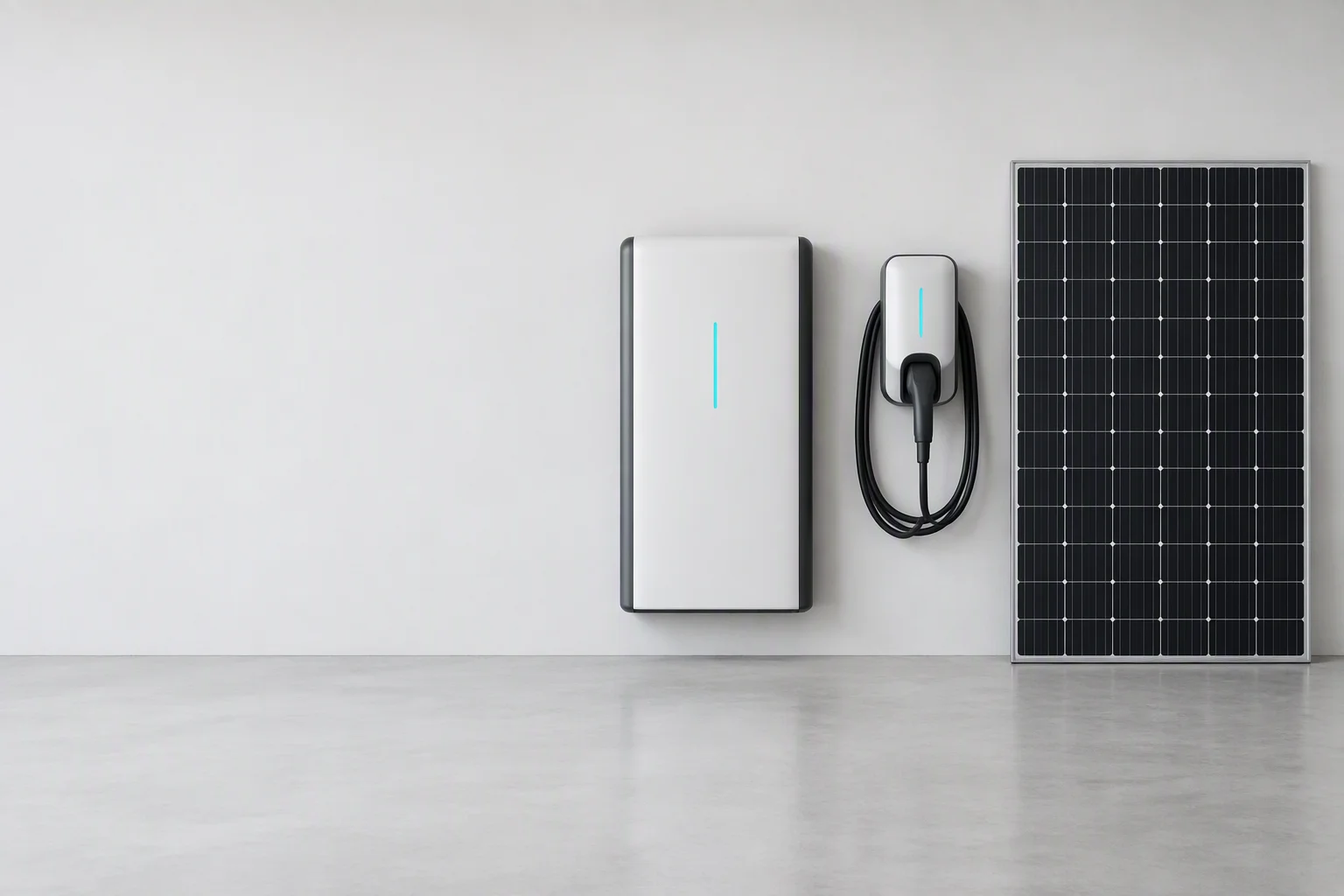
A finished new-energy line-up: stackable storage units, a bifacial solar module, an inverter box, an AC wallbox and a DC charger cabinet
Fig. 11One site, three purchases. Generation, storage and charging have to agree at the interface.
A finished home energy installation with a wall-mounted storage cabinet and a solar module in the same frame
Fig. 12The installation decides the spec. Wall-mounted or stackable follows the room, not the catalogue.
A new-energy production hall with assembled storage cabinets and solar modules staged in rows
Fig. 13Three sites in Group B. Storage, modules and charging are separately operated businesses.

05Archetype 04 · anonymised

Regulated electronics: medical and instrumentation.

IPC-A-610 Class 399.7% first-pass yieldNo MOQ
Industry Medical devices and instrumentation Boards that sit inside equipment whose change control is audited, not negotiated.
Requirement A stated class at a site with a medical quality system Acceptance class and traceability depth agreed before the first build: both change the price, and neither can be added afterwards.
What we did Ran the build on a cleanroom line with per-unit records 3D SPI, 3D AOI and X-ray in process, a Class 1000 cleanroom line, 100% powered-on test and batch QR traceability from cell lot to module.
Outcome 99.7% first-pass yield with no minimum order One prototype or ten thousand units on the same line; ISO 13485 and IATF 16949 among the sites' published certifications.

ISO 13485 is a quality management system, not a product registration. Nothing here implies a regulatory clearance.
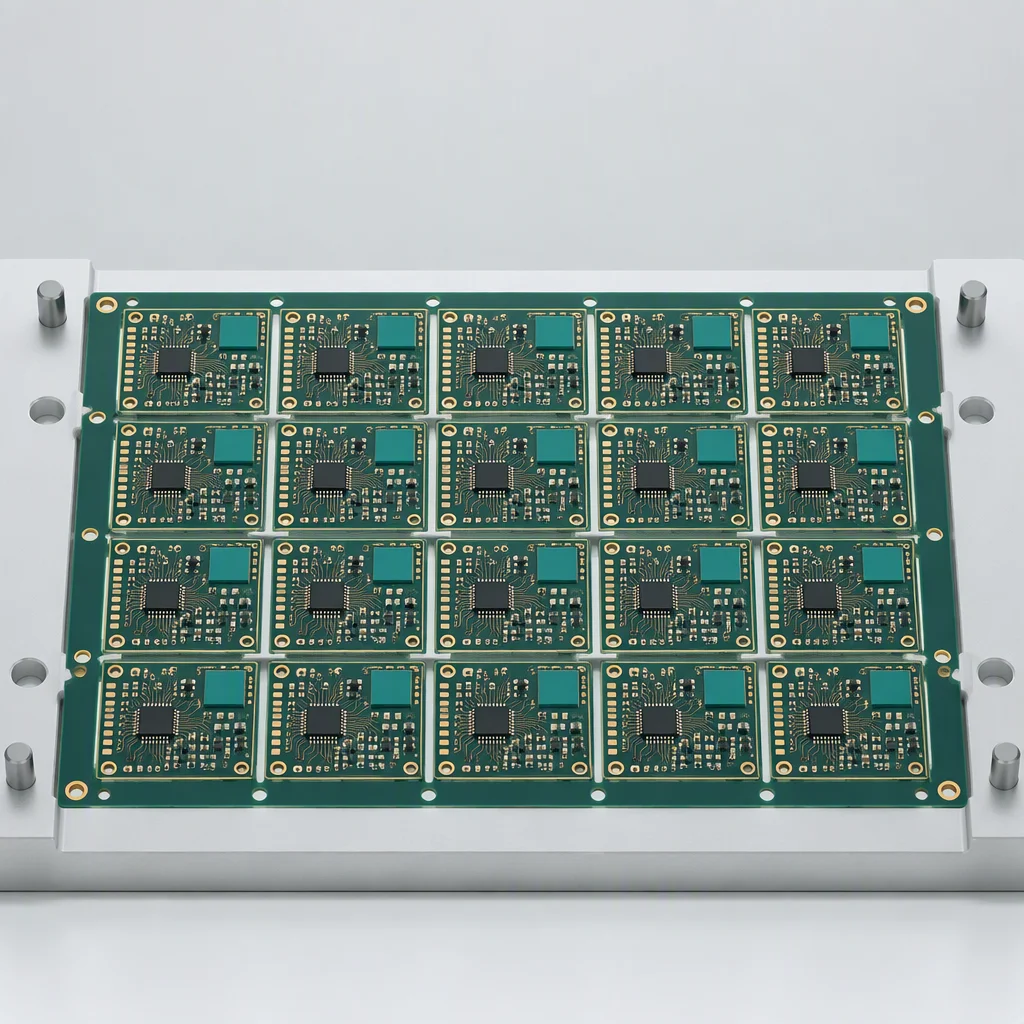
A production panel of identical bare boards held in a white inspection fixture, gold pads and teal solder mask
Fig. 14The lot is the unit of control. A board lot number is what makes a device history record traceable.
A finished populated circuit board assembly standing upright on edge with a matte black heatsink across its upper half
Fig. 15Class 3 as written, not as claimed. Cross-section criteria live in IPC-6012F and IPC-A-600M.
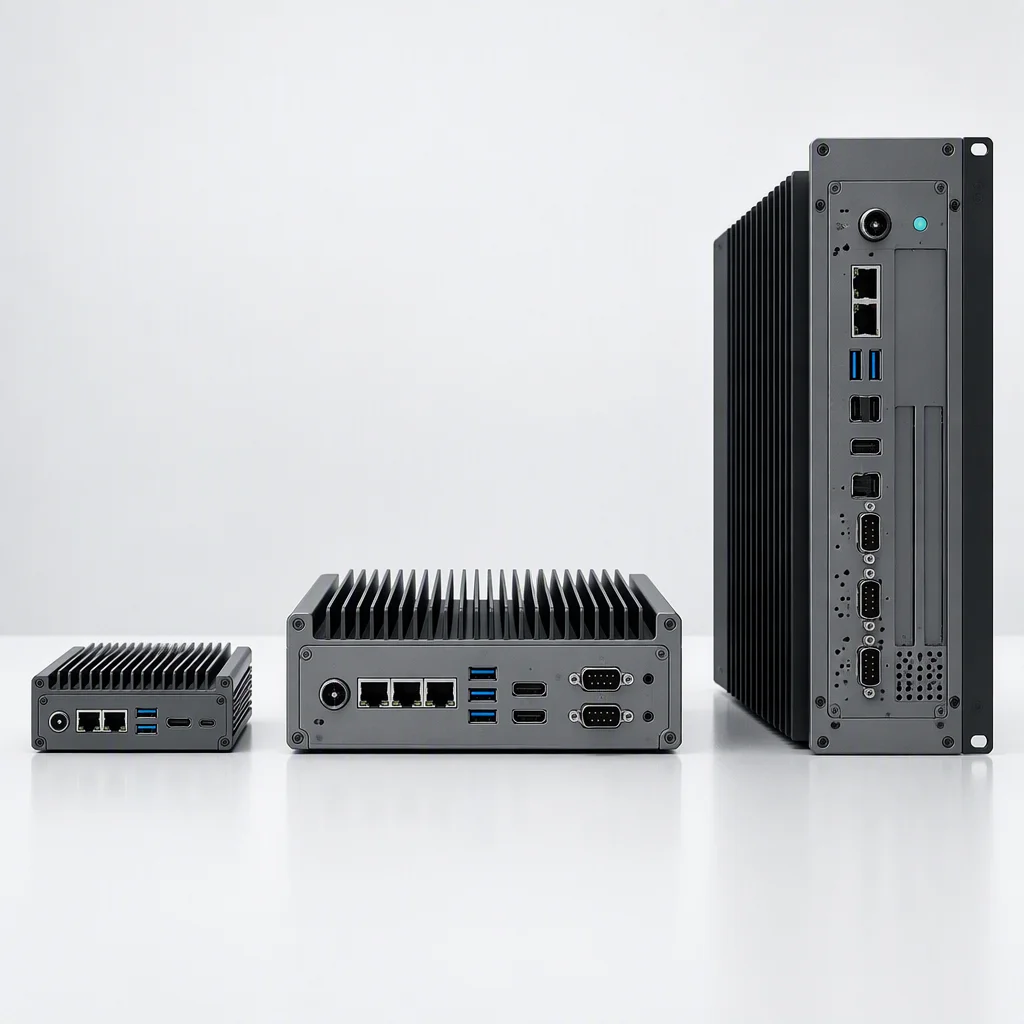
Three finished fanless industrial computers in a row, closed enclosures with no boards visible
Fig. 16Instrumentation shares the baseline. The same acceptance framework runs under an enclosure nobody opens.
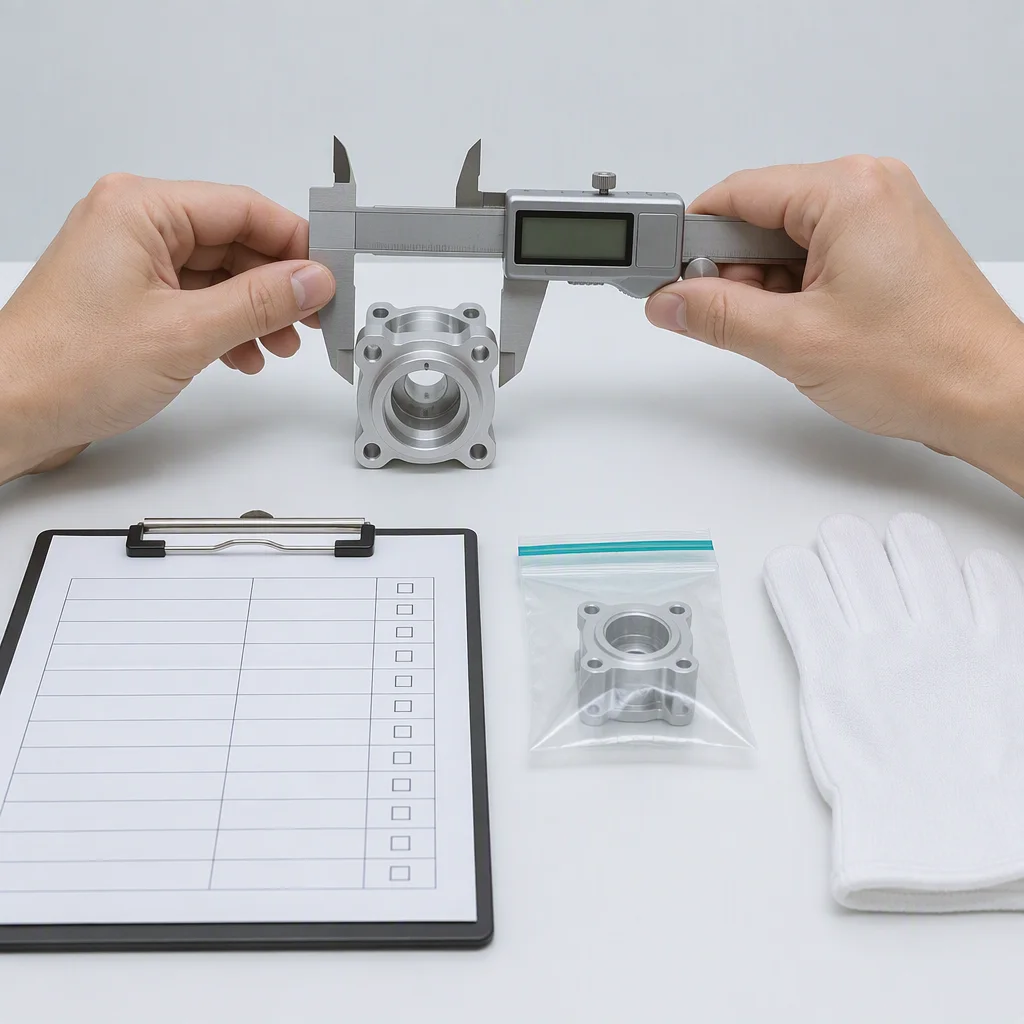
Digital calipers closed around a machined aluminium housing beside a blank inspection checklist and a sealed sample bag
Fig. 17Calibration is the artefact. A measurement without a calibration record is an opinion.

06Archetype 05 · anonymised

Retail estate hardware, bought as one set.
30,000-pull cable2.1″–7.5″ e-ink0.3 s verification
Industry Retail and access control An estate where one SKU multiplies any defect by the number of doors it reaches.
Requirement One mechanical specification across the estate Display security cables, shelf-edge labels and a terminal family sourced as a set, so the estate buys one specification instead of five.
What we did Tied the pull rating and the firmware to the same order The recoiler pull rating, the label size and the terminal's per-unit records were agreed with the rollout window rather than after the pilot store.
Outcome 29 models, five families, 13 certifications A 30,000-pull recoiler specification; 2.1″–7.5″ Bluetooth e-ink labels; identity hardware at 0.3 s verification with 150+ catalogued models and 400+ registered patents.
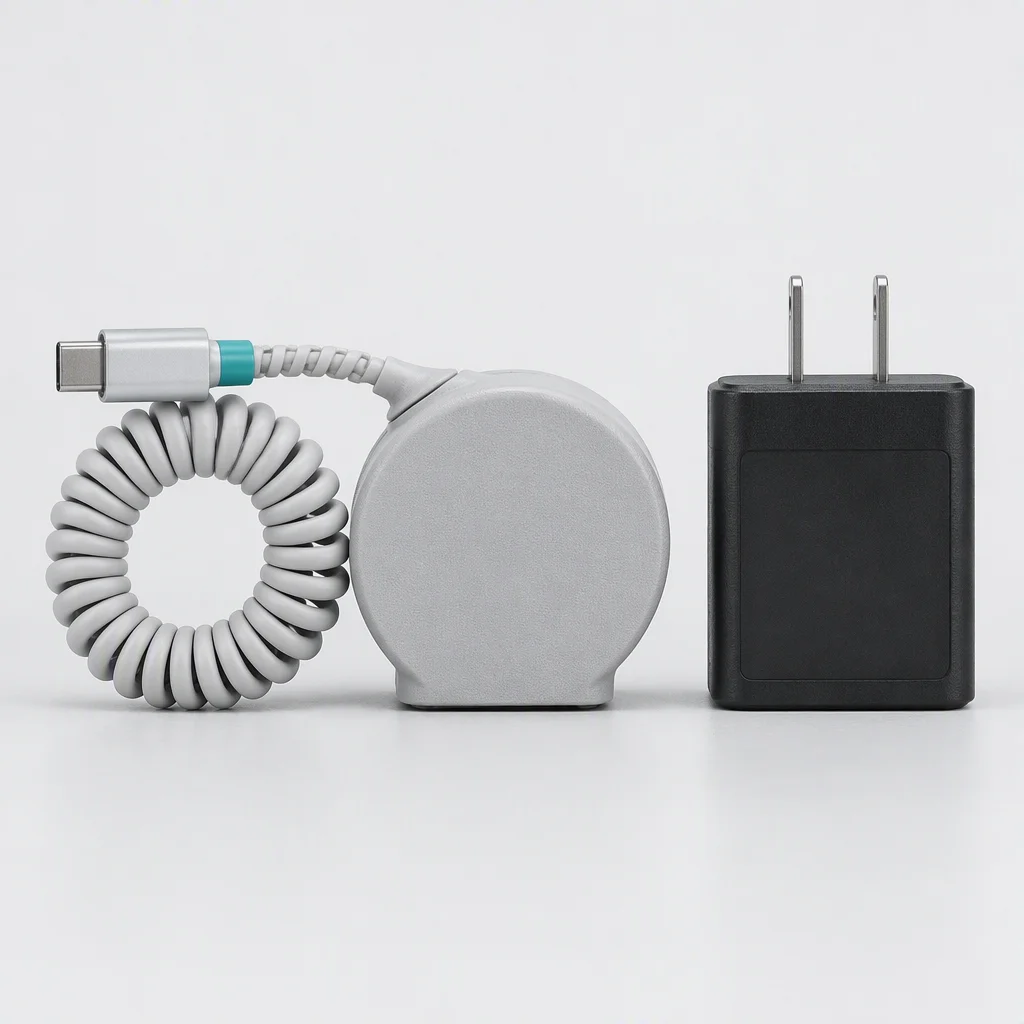
A coiled anti-theft retail display cable with its recoiler housing beside a compact security power adapter on a plain pale surface
Fig. 18The cable carries the warranty rate. A pull rating is a mechanical number, not a marketing one.
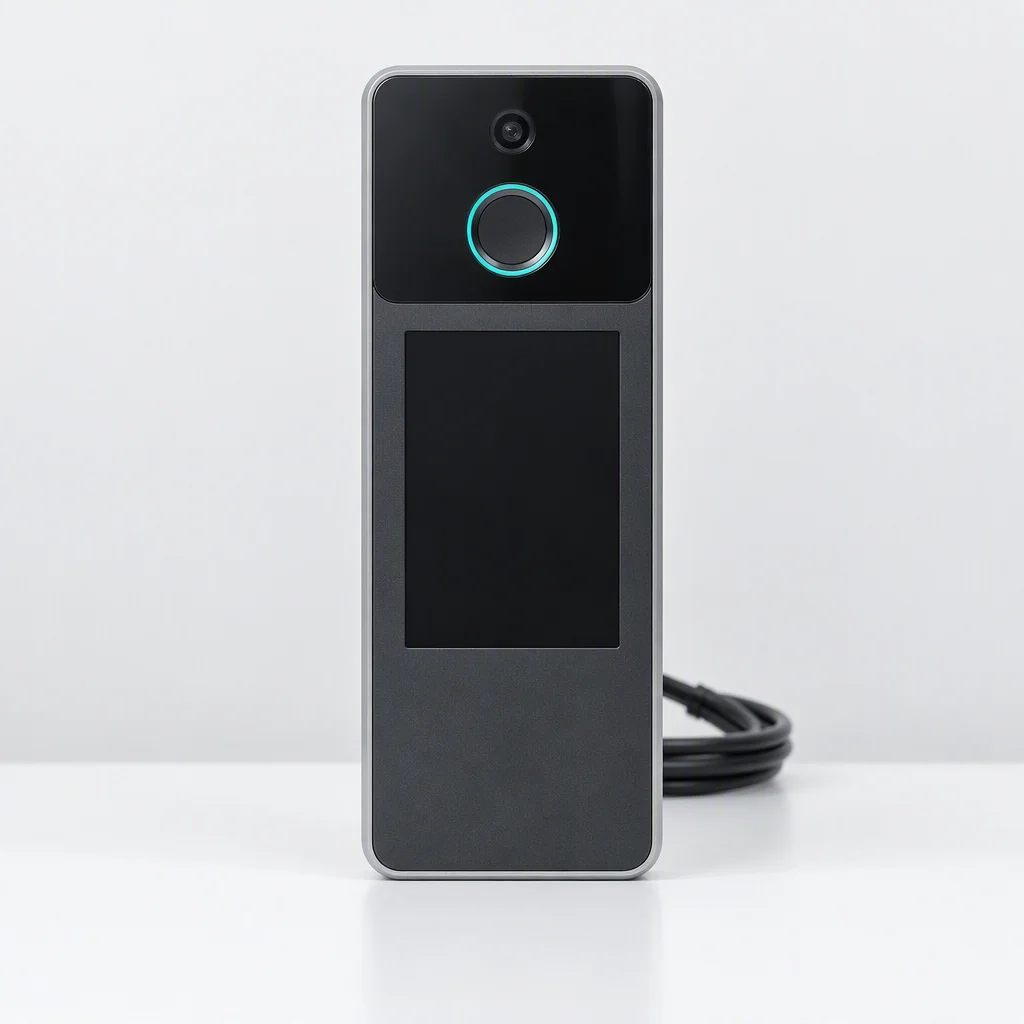
A finished wall-mounted biometric access terminal with a fingerprint pad, a camera window and a blank display
Fig. 19Identity is a production record. Key injection and firmware versions are written on the line.
A fan of finished TFT and OLED display modules overlapping on a plain surface, blank grey screens and ribbon tails
Fig. 20Display content at MOQ 500. 0.96″–15.6″ at 300–5,000 nits, 100% powered-on test.

07Trust layer · what this proves

What an archetype proves, and what it does not.
No client namesNo logosUnit-level evidence on request
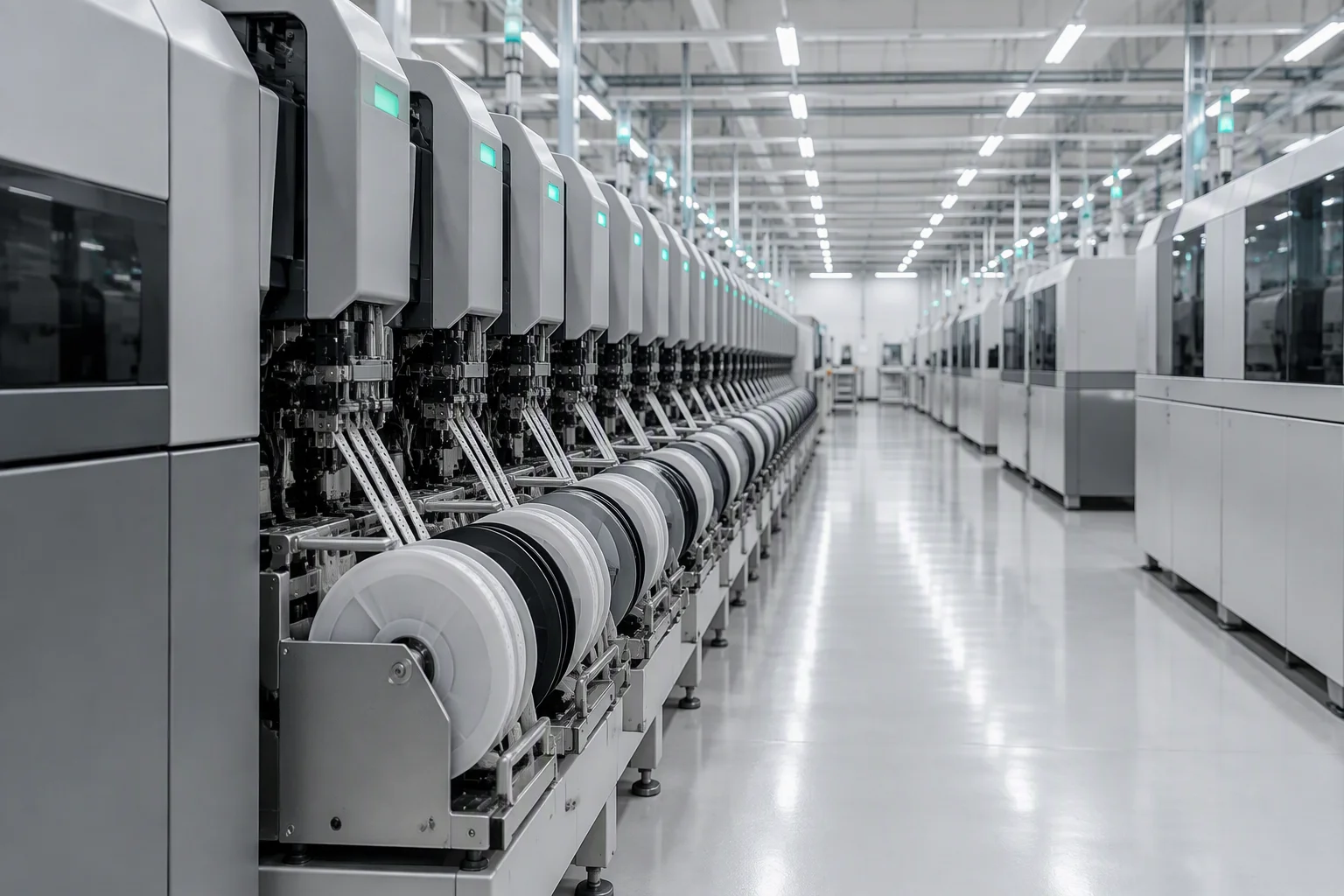
Pick-and-place heads and feeder reels aligned along a single SMT line, seen close down the line
AIt proves a capability. The network's published process limits and the shape of a programme we can staff today.
Visitors in anti-static coats walking an assembly-hall aisle between rows of SMT machines, seen from behind
BIt does not prove a purchase. No named company bought any of these, and none of these descriptions is a delivered contract reference.
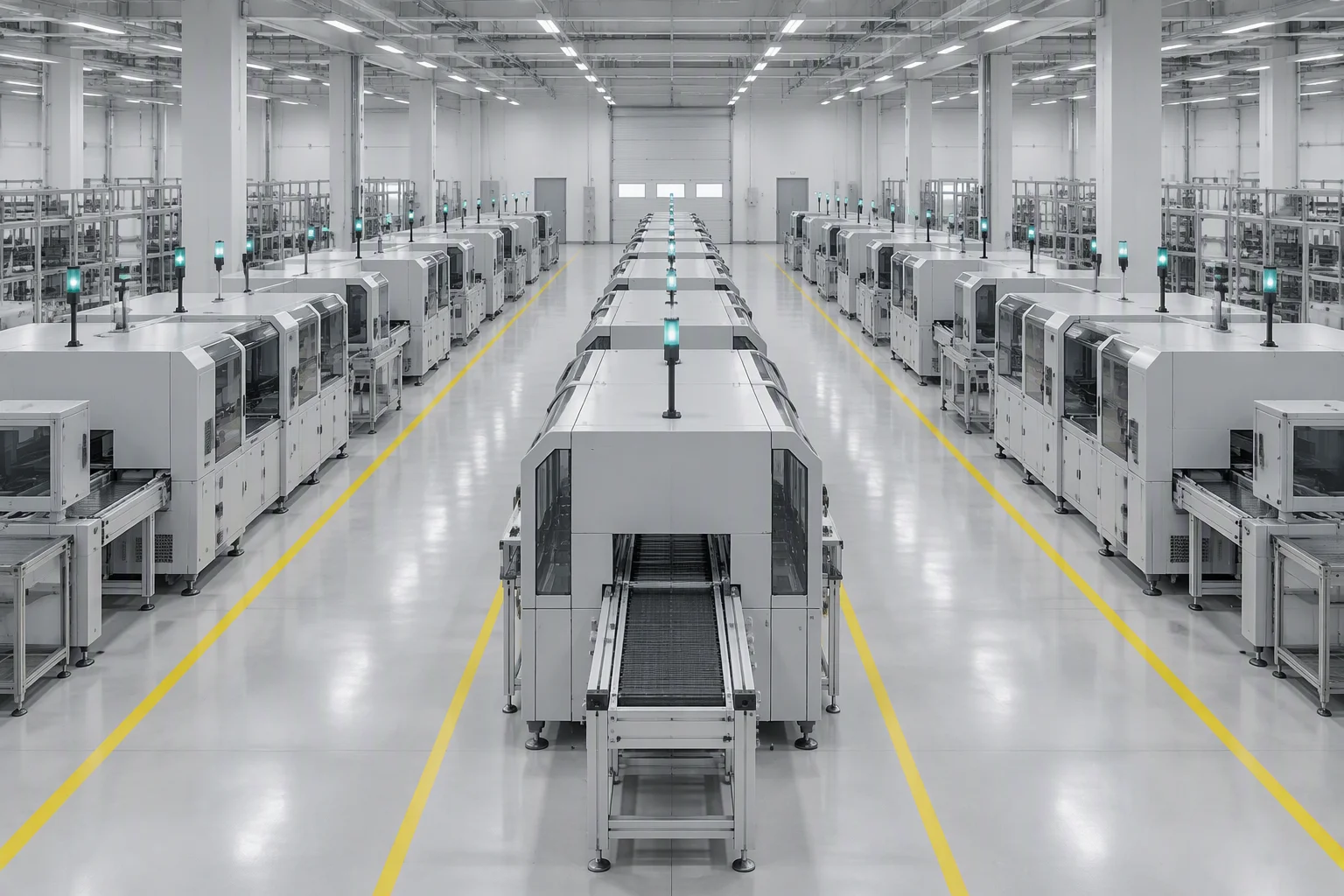
A wide production floor from a raised viewpoint, three rows of identical assembly machinery and painted walkways
CUnit-level evidence is the substitute. A leak-test report in the carton, a per-batch calibration record, an FAI report or serial-level test data.

Archetypes are drawn from partner-published product and capability data. They describe the shape of work the network supports, not a delivered contract, and no client logo appears anywhere on this site.
08Start

Ask for the evidence behind an archetype.

Name the archetype. We will say which site fits, which numbers are theirs, and which records you can hold.

Recorded. An engineer will reply.

A written assessment follows, from eric@dfshk.cn.

What you can hold us to eric@dfshk.cn · +86 152 3512 7440