Resources · field guide · written by the trading desk
How to vet a Chinese electronics supplier
You have a quotation from a factory in Shenzhen. This is what to check, in what order, before money moves.
01What the numbers say
Before you talk to anyone.
Inspection data is the floor, not the ceiling. QIMA's published Q1 2017 reading put global product-inspection failure near 33%.
China sat near 30%. Electrical and electronic goods failed at 23.4%, against textiles at 41.7% — still roughly one inspected lot in four.
That figure is a reading from one quarter, not a standing rate. Cite it with the period attached, as we do here.
Factory-condition data was worse. In the same audit series, structurally compliant factories fell to 30.5%, from 37% in 2016 and 41% in 2015.
69% of audited factories needed remediation; 4% carried a major safety risk. By 2024 H1, 59% reached a green rating, a five-year high.
New-supplier risk shows up in the first order: an estimated 3–5% defect rate against 0.5–2% in a mature relationship (vendor estimate).
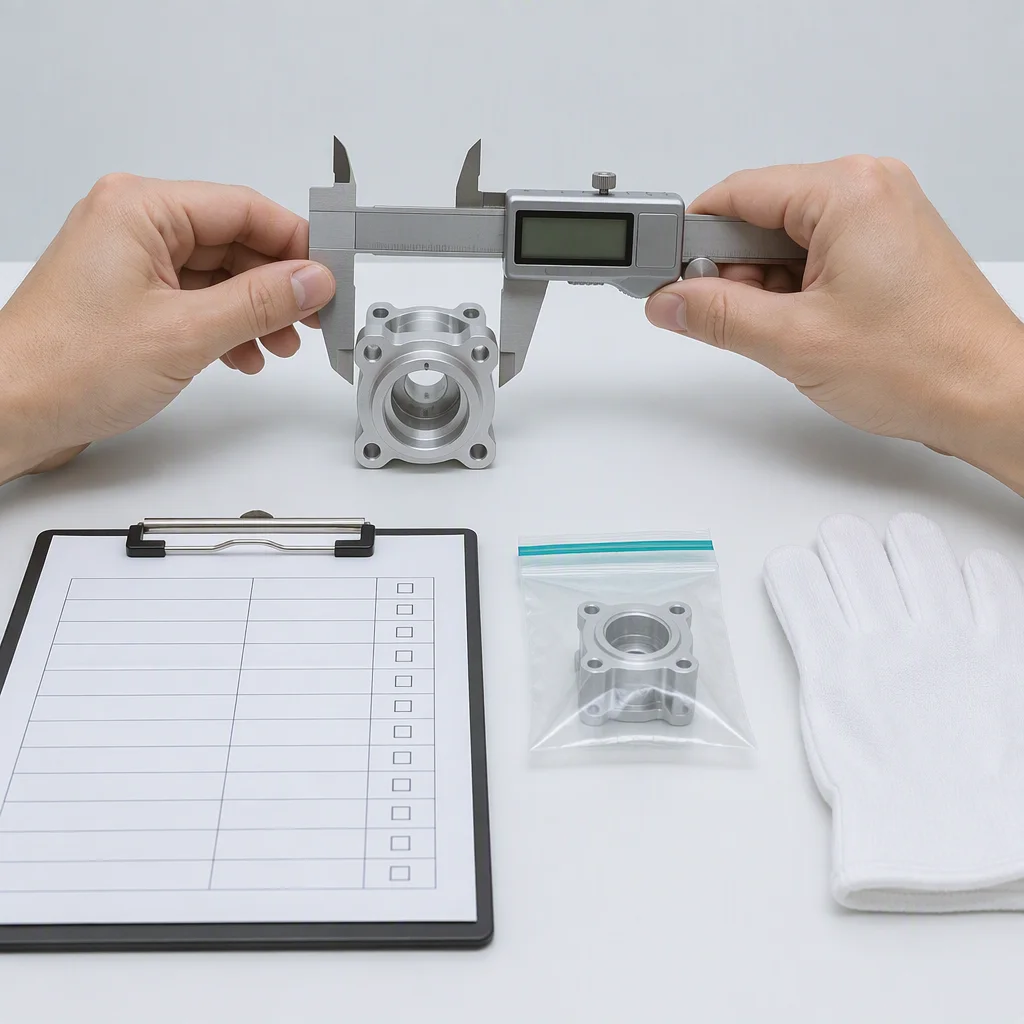
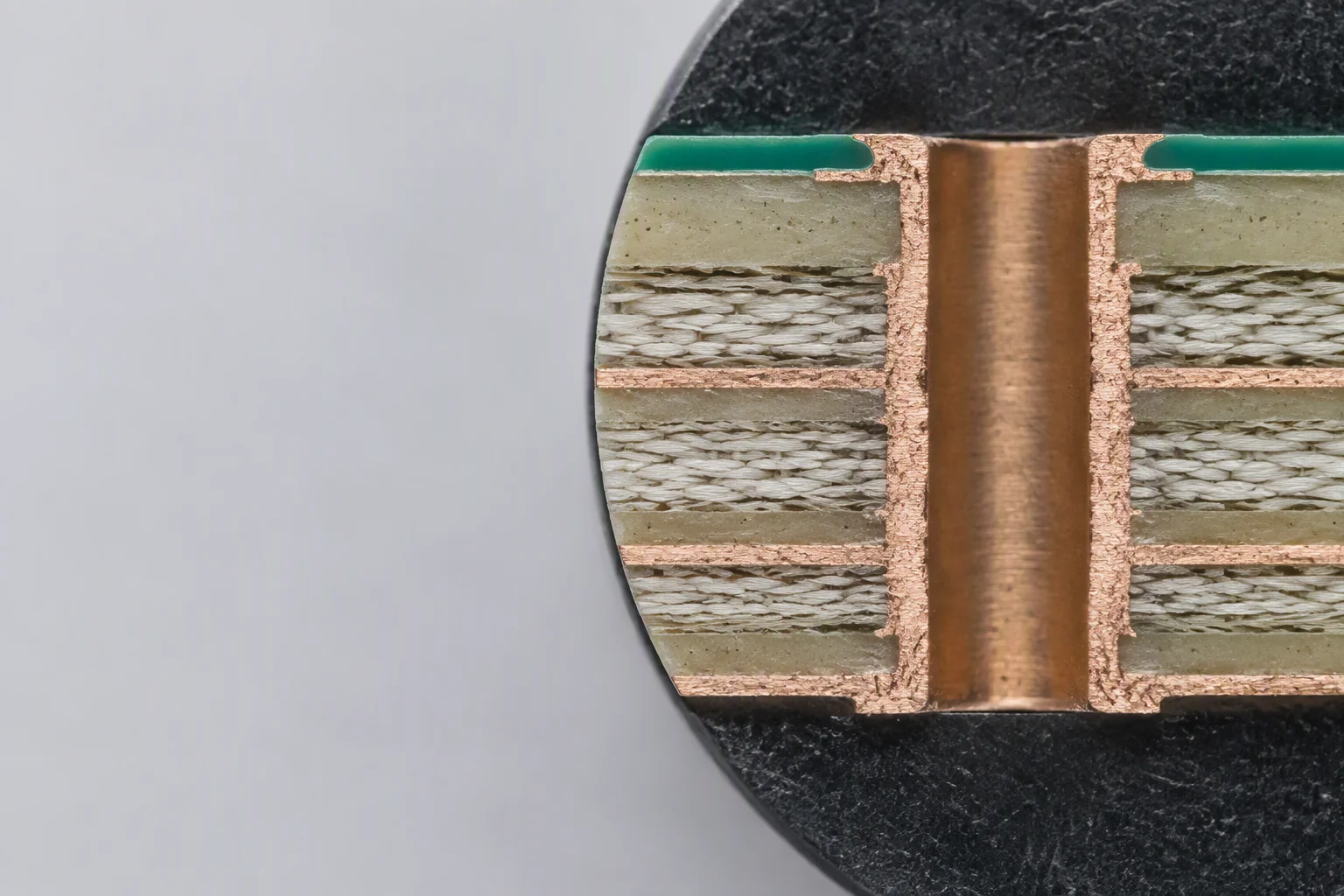
The cheapest control is arithmetic: one pre-shipment inspection is about 1.5% of a $20,000 order, against a hidden layer worth 10–30% of it.
02The six anchors
One identity, six places it must appear.
Check the chain as a whole. The moment two links disagree, everything downstream of them is unverified.

Anchor 4 has a public mechanism: the Made-in-China Audited Supplier programme has run since 2007 with SGS, Bureau Veritas, TÜV Rheinland and CTI.
03The seven mismatch signals
A reason to verify, not evidence of fraud.
One signal means ask a question. Two that survive questioning mean stop and re-verify the whole chain before money moves.

04How to read a certificate
By number and by scope — on the issuer's database.
ISO 9001 certifies a management system: process control, document control, internal audit, management review, corrective action, continual improvement.
It sets no product parameter. Write it as "holds an ISO 9001 quality management system certification" — not as proof the outputs are good.
Take four things off the certificate: the number, the issuing body, the accreditation mark and the scope wording.
Then look the number up on the issuing body's own database. Never accept the PDF the supplier emailed you as the verification.
Read the scope against your order: it must name the product and the process, at the site you are buying from.
For UL, state which condition applies: Listed for complete equipment, or Recognized Component. All-Recognized parts do not make an end product Listed.
Heras-Saizarbitoria and Boiral's "Faking ISO 9001 in China" (Business Horizons 62(1), 2019) interviewed 40 senior quality managers, consultants and auditors.
It found counterfeit ISO 9001 certificates widespread, against more than 1.5 million valid certificates worldwide, with China highest in absolute and relative terms.
The study is qualitative and gives no single percentage.
| Field | What it proves |
|---|---|
| Number | Findable in the issuing body's own database |
| Issuing body | Who signed it, and whether they are accredited for the scope |
| Scope wording | Must name your product and your process |
| Site address | Must match the shipping address and the site you visit |
| Validity | Issue, surveillance and expiry dates in both directions |
05The verification sequence
Cheapest step first.
Steps 1 to 3 cost a day of desk work and no money. Step 4 is where a first-time buyer should spend.


06What a real inspection covers
ISO 2859-1, with the numbers attached.

| Type | Covers | Reference |
|---|---|---|
| Supplier verification | Entity, ownership, site authenticity | booked |
| Quality system | ISO 9001 in practice, CAPA, traceability | $220–458 |
| Social compliance | Hours, wages, fire safety, dormitories | $350–500 |
| Initial production check | Material completeness, first article | $199–320 |
| Pre-shipment inspection | AQL sampling, packing, function test | $199–320 |
| Lot size | Sample | AQL 2.5 accept / reject | AQL 4.0 accept / reject |
|---|---|---|---|
| 501–1,200 | 80 | 5 / 6 | 7 / 8 |
| 1,201–3,200 | 125 | 7 / 8 | 10 / 11 |
| 3,201–10,000 | 200 | 10 / 11 | 14 / 15 |
A pre-shipment inspection is booked about a week ahead, with 48 hours' notice to the factory. The report arrives in 24–48 hours, or 4 hours expedited.
07The two costs that never appear
A trading company and a sourcing agent are not the same animal.
The markup layer. A company presenting itself as the factory typically carries 15–30% on top of the factory price.
A disclosed agent fee is 3–5% of order value. On a $20,000 order: $3,000–6,000 hidden, against $600–1,000 disclosed.
The kickback. Factory rebates to an agent run at 10–15% of order value, and "free" arrangements hide markups of 10–30%.
On the same $20,000 order that is $2,000–3,000 of hidden cost — more than a transparent 5–7% service fee would have been.
Industry estimates put kickback-taking above 50% of sourcing agents (estimate). A rebate can lift an agent's hidden income from about 5% to about 10%.
The tell is documentary, not behavioural: the agent will not show you the factory's original quotation, or a proforma invoice in the factory's name.
A written no-kickback commitment is a contract term, not a slogan. Pair it with a stated commission base: the FOB factory price.

08Red-flag checklist
A stop rule, not a score.
A stop rule, not a score: any one item means ask a question; any two together means stop and re-verify.
| No | Red flag |
|---|---|
| 01 | Seller, licence, invoice header and bank beneficiary are not one name |
| 02 | A certificate cannot be found by its number, or its scope names another product or site |
| 03 | Only a certificate PDF is offered, with the number cropped or unreadable |
| 04 | Technical answers carry no machine name, no tolerance and no test method |
| 05 | The supplier quotes EXW and cannot say who appears as the export operating unit |
| 06 | Handling, service or warehouse lines appear that are not tied to a document |
| 07 | Only one supplier is ever proposed, and one plant appears under two company names |
| 08 | The price is materially below the other quotes, with nothing in the process route to explain it |
| 09 | No sampling plan, no acceptance class and no inspection right appear in the purchase order |
The clause that belongs in every PO: workmanship to a named IPC acceptance class, critical defects at AQL 0, major 2.5, minor 4.0.
09Questions this guide gets
Five we are asked every week.
10Run it on us
Send the file. Check the answer.
Entity, documents and site — the same seven steps, applied to us.
Written technical assessment, from eric@dfshk.cn.