Resources · engineering note · PCB & PCBA
The spec sheet:
what to send us.
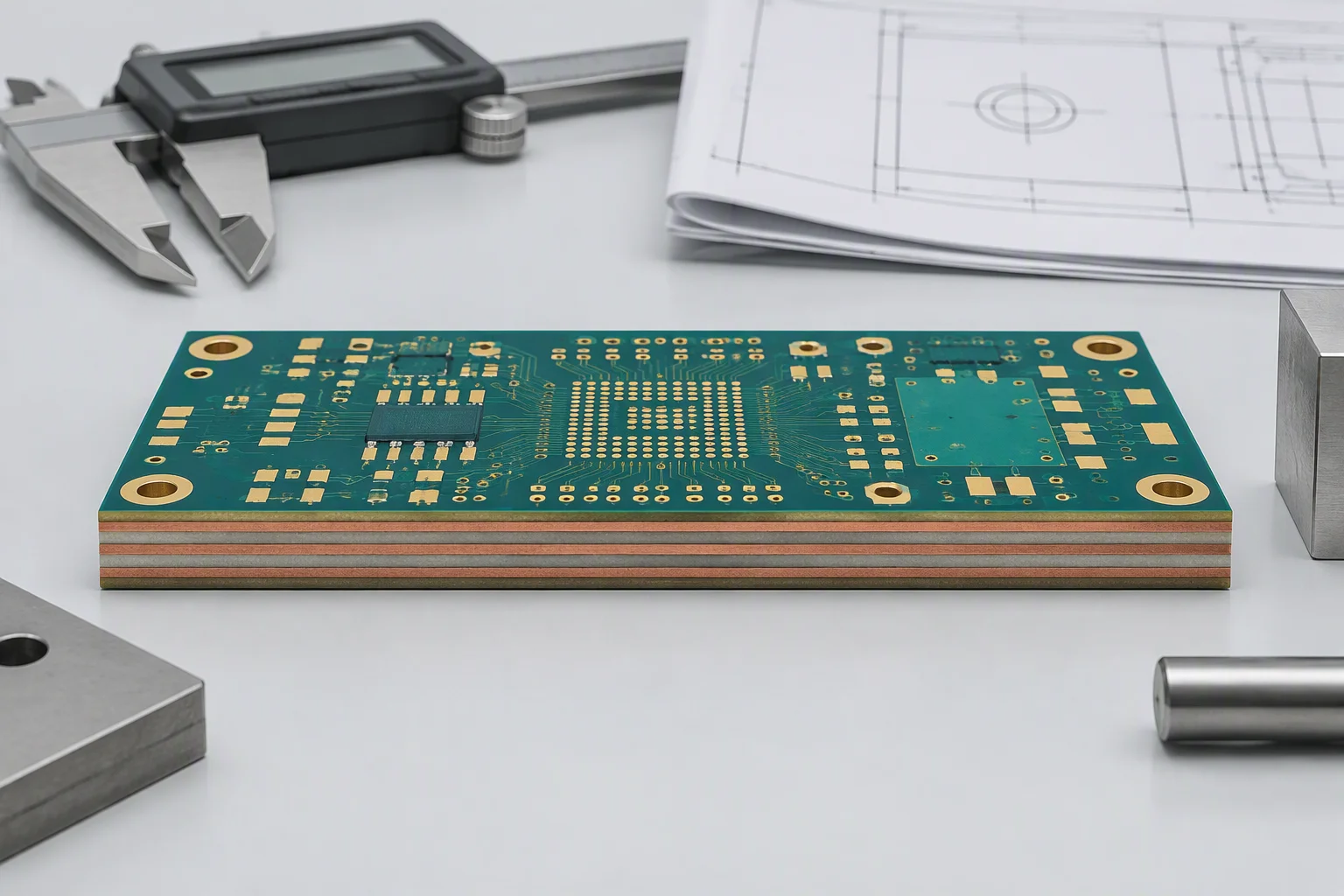
Send seven things and a quotation becomes comparable. Here is every field, what it changes, and the numbers the network's board sites build to.
01The pack
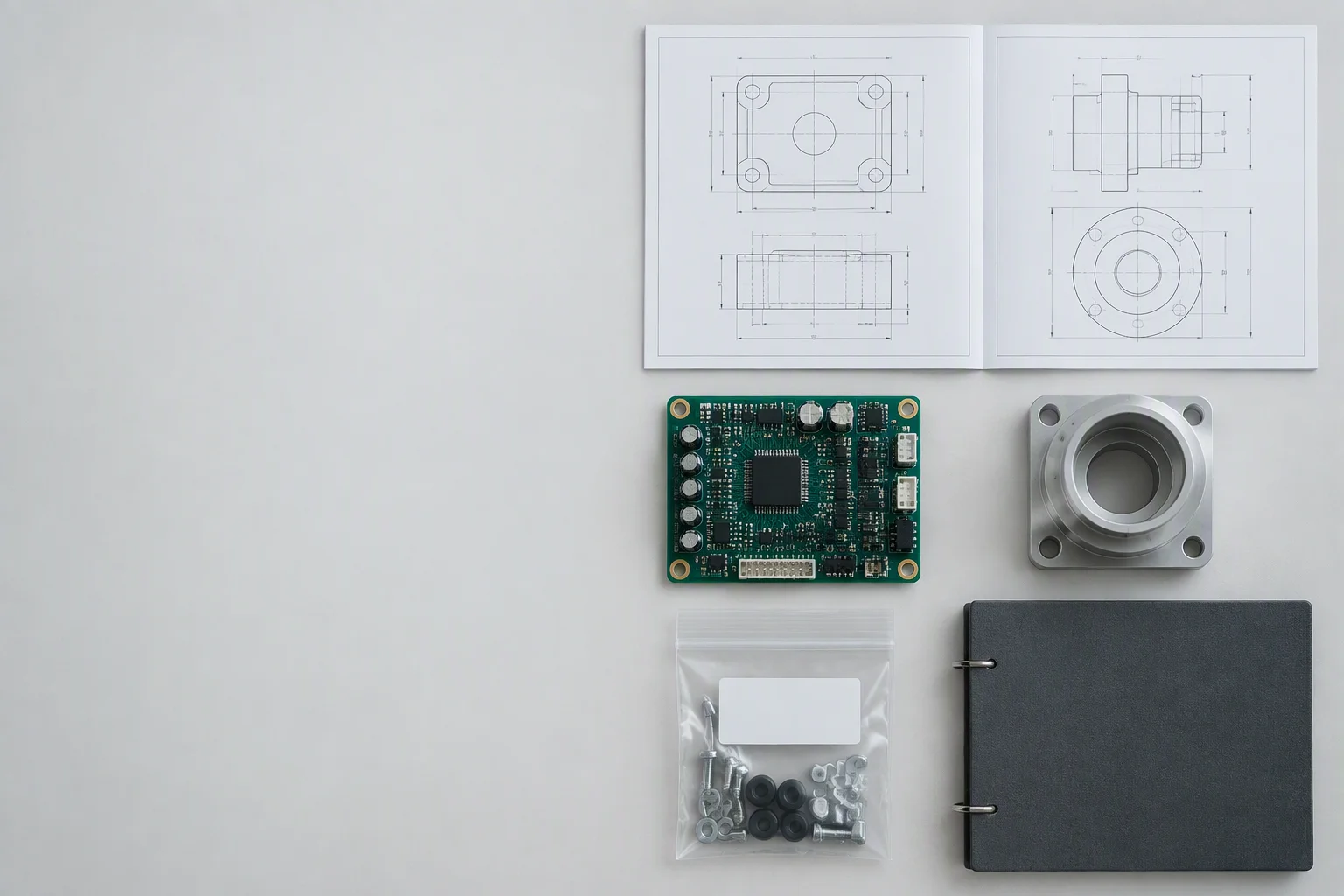
Seven files. Then three quotes become comparable.
Every quotation answers the same seven lines, so the difference between them is price rather than paperwork.
| File | What it decides | Accepted form |
|---|---|---|
| Gerber and drill | Copper, mask, holes | RS-274X plus a separate Excellon drill file |
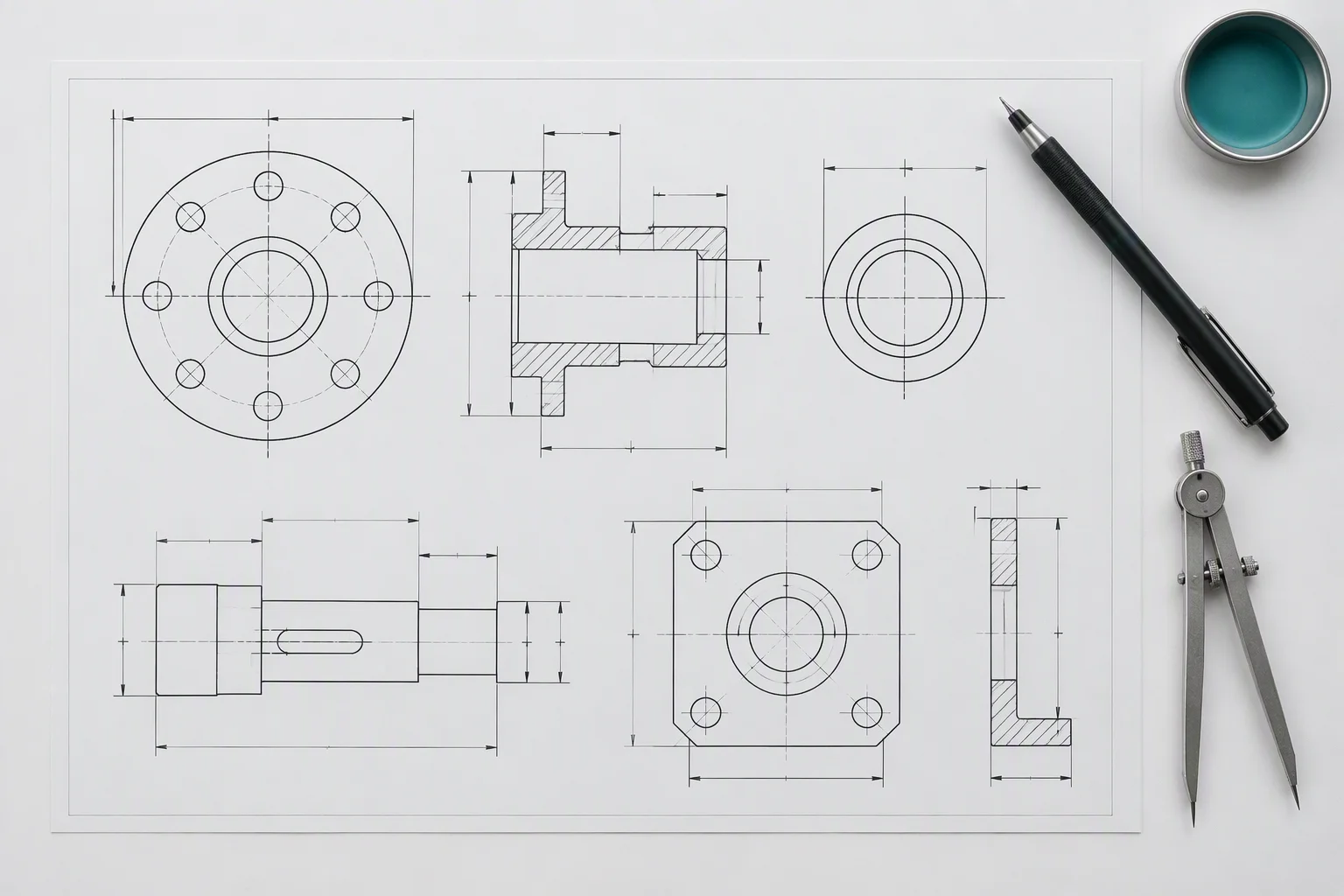
| Fabrication drawing | Outline, holes, tolerances | Dimensions, hole table, tolerance callouts |
| Stackup | Layer order | Fixed, or the fab's standard build stated |
| Impedance schedule | Controlled nets | Net names, target, tolerance |
| BOM | What gets placed | Manufacturer and part number per line |
| Assembly drawing | Orientation and torque | Designators, polarity, keep-outs, labels |
| Class and test | What counts as a pass | Named class, and AOI, ICT or FCT |
Scroll the table sideways

02Day one
Manufacturing data, not a picture.
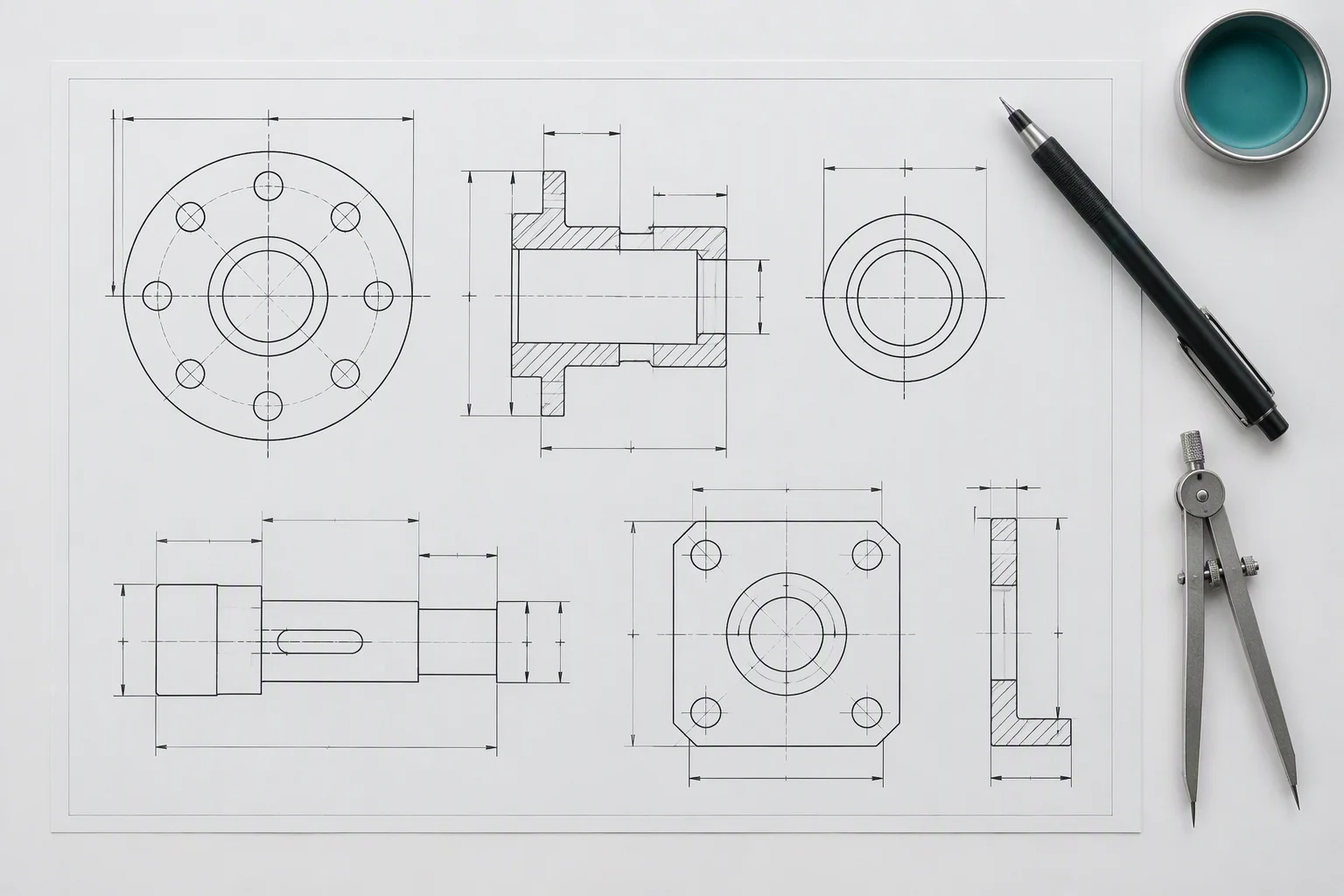
A screenshot, a PDF plot or a three-dimensional render cannot be fabricated from. Five things can.


03The build table
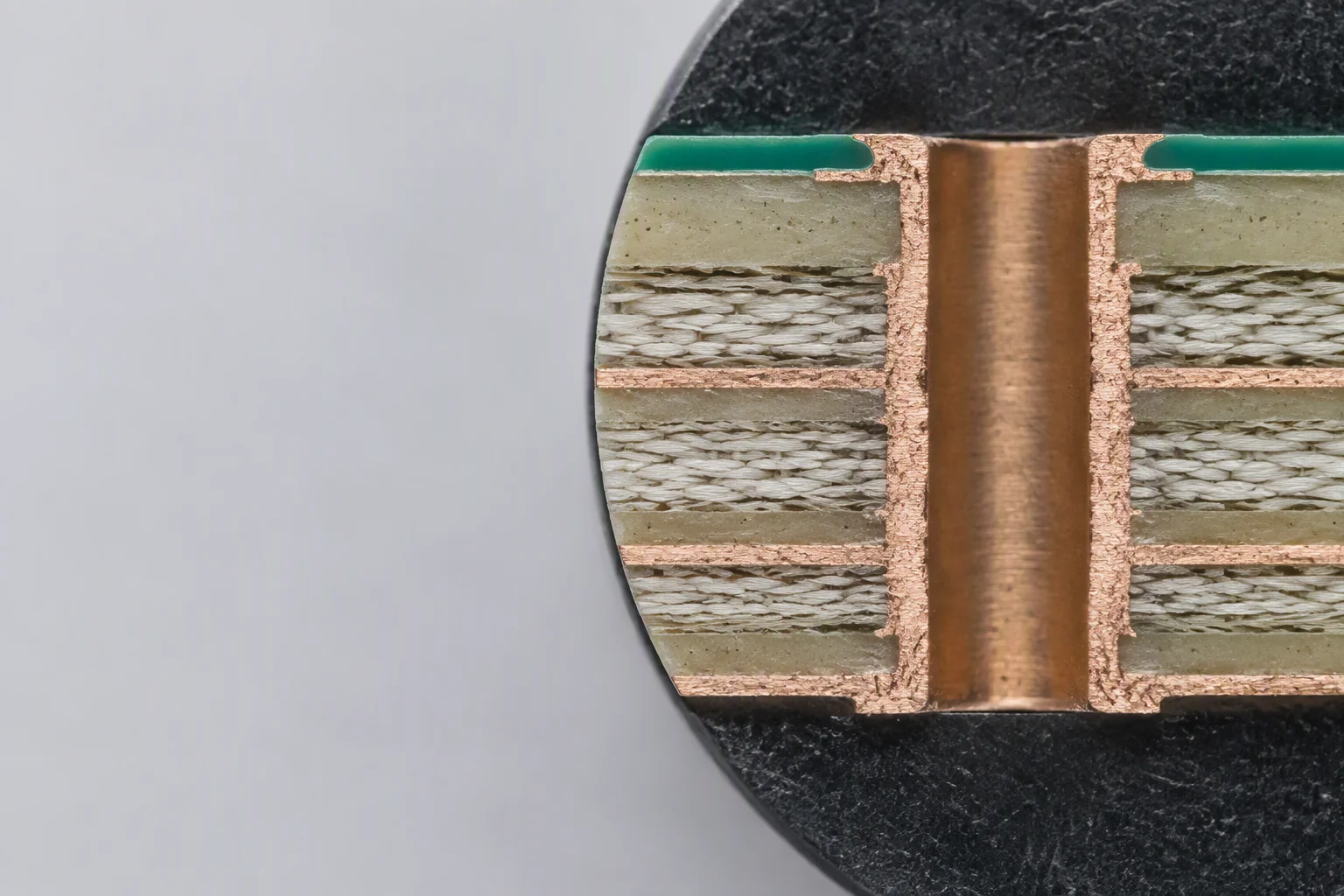
The nine-line build table.
Copy this table into your RFQ unchanged, so every quotation answers the same lines.
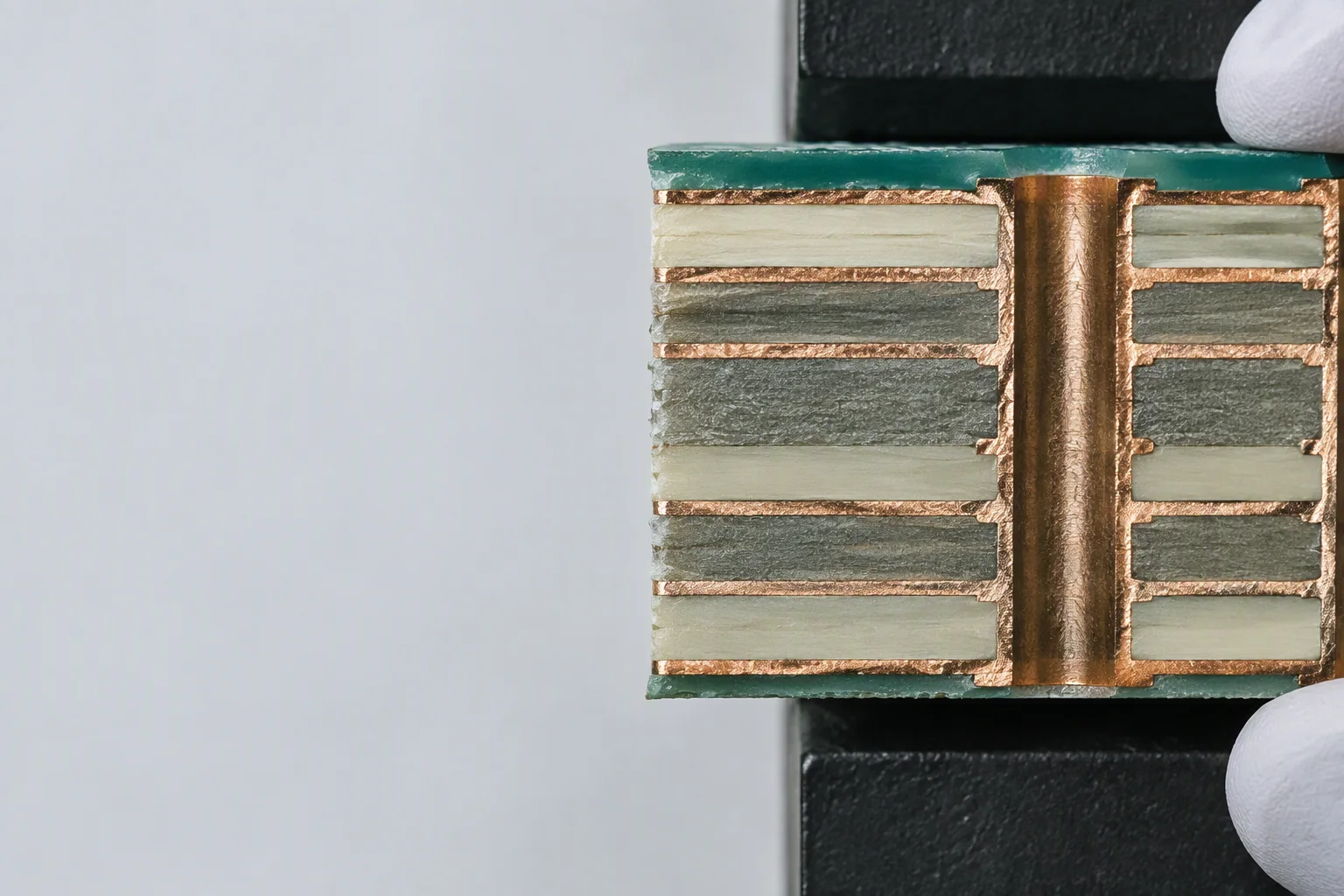
| Line | Value or range |
|---|---|
| Layers | 1–58 |
| Base material | FR-4 standard; high-Tg FR-4, aluminium and Rogers-class laminates on review |
| Thickness | 0.2–3.2 mm in standard steps; ±10% at 1.0 mm and above, ±0.1 mm below |
| Copper weight | Outer 1–8 oz (35–280 µm); inner 1–4 oz |
| Trace and space | 0.1 mm (4 mil) minimum; finer is reviewed case by case |
| Drill and ring | 0.15 mm minimum drill; 0.15 mm annular ring; PTH ±0.08 mm, NPTH ±0.05 mm |
| Surface finish | HASL leaded or lead-free, ENIG, OSP, hard gold, immersion silver, immersion tin, ENEPIG |
| Impedance control | Controlled, for example ±10% on named nets |
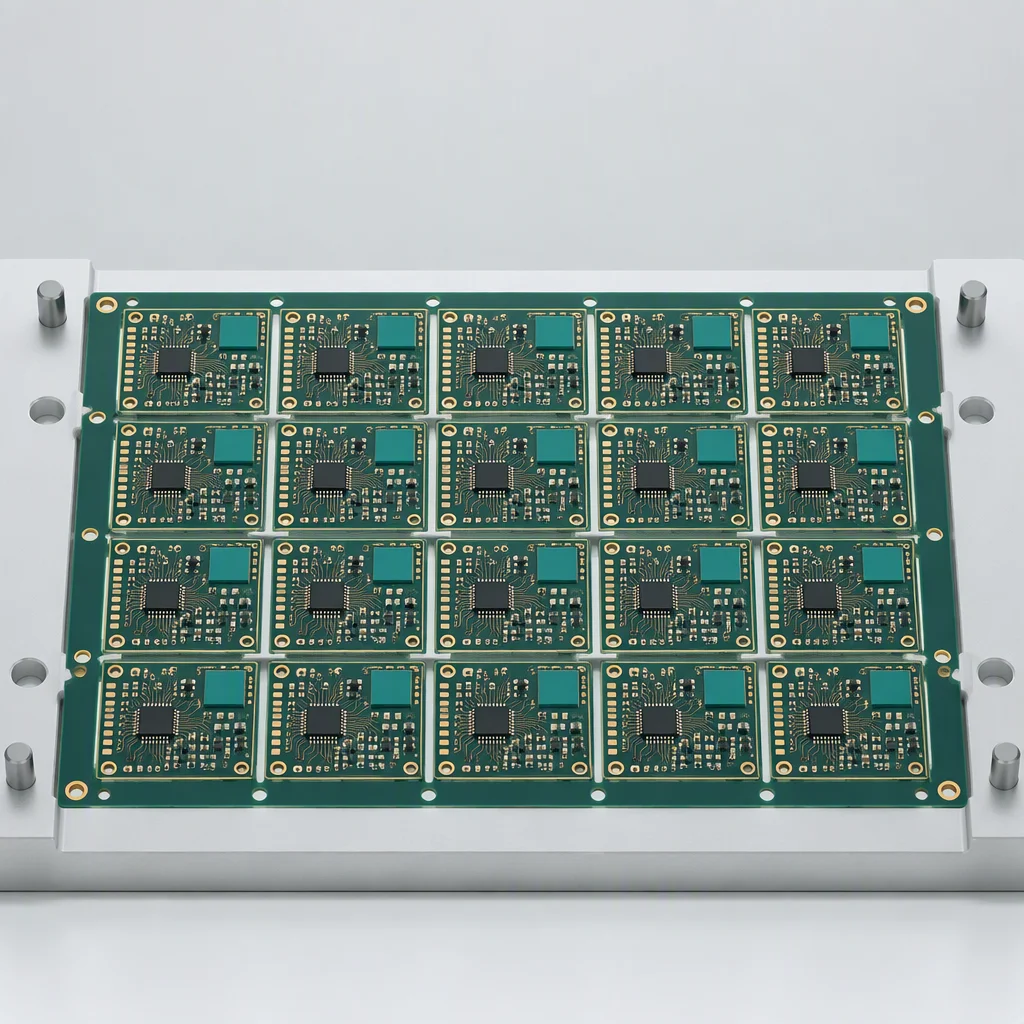
| Board size and array | 600 × 1200 mm single and double-sided; 560 × 1150 mm multilayer; V-cut, stamp holes, tab routing |
Scroll the table sideways
04What each field changes
Four fields buyers leave blank.
A blank line is where the cheapest quotation hides its substitution.
| Field | What you write | What it changes |
|---|---|---|
| Surface finish | ENIG, HASL leaded or lead-free, OSP, immersion silver | Shelf life, joint strength, cost per panel |
| Solder mask and silkscreen | Colour, and whether silkscreen is required at all | Inspection readability and a cost line |
| Impedance control | Nets, target, tolerance | Whether coupons are tested, and how the stackup is built |
| Panelisation | V-cut, stamp holes or tab routing, and the gap | Depanel stress, handling and material use |
Scroll the table sideways


05The BOM
Part numbers, alternates, and what may not be substituted.
A BOM of values is a schematic. A BOM of manufacturer part numbers is a purchase document.

06Assembly and test
The assembly drawing, and the test you want.
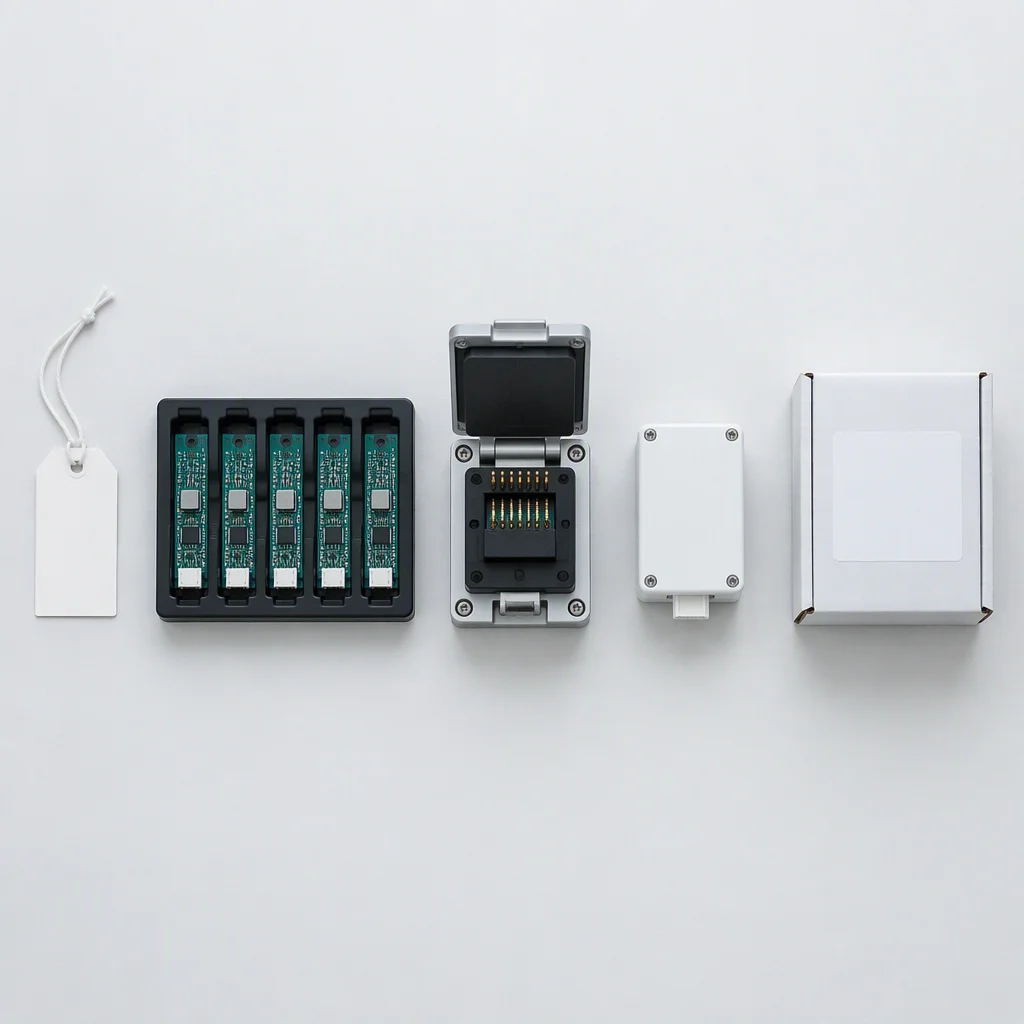
Test definition is part of the specification. AOI alone, AOI plus ICT, and AOI plus functional test are three different orders.

Ask for a written technical assessment against the pack before you place the order.
07Acceptance class
Name the class. IPC assigns that decision to you.
The standard's own sentence: the user is responsible for defining the product class.
| Item | Class 2 | Class 3 |
|---|---|---|
| IPC's category name | Dedicated service electronic products | High performance / harsh environment electronic products |
| Through-hole wetting (industry guidance) | At least 75% of the pad | 100% fillet wetting, at least 75% barrel fill |
| Ionic contamination (industry guidance) | At most 1.56 µg NaCl eq./cm² | At most 0.78 µg NaCl eq./cm² |
| Inspection coverage (industry guidance) | AOI plus sampling | AOI plus 100% inspection, full traceability pack |
| Assembly cost against Class 2 (industry guidance) | Baseline | +20% to +40% |
| Published defect band (industry guidance) | 2–5% | 8–15% |
Scroll the table sideways
IPC's wording for Class 2: continued performance and extended life are required, uninterrupted service is not, and the end-use environment would not cause failures.
IPC-A-610 is an acceptability document, not a certificate scheme, and Class 3 is not a military certification.
08The IPC document set
One word, five documents, five lifecycle stages.
Asking for "IPC" without saying which stage is the most common spec-sheet failure.
| Stage | Document | What it governs |
|---|---|---|
| Design | IPC-2221 and IPC-7351 | Footprints and land patterns |
| Bare board | IPC-6012F and IPC-A-600M | Performance and appearance of the board itself |
| Process | J-STD-001J | Materials, methods and process control |
| Acceptance | IPC-A-610J | What passes: joints, placement, cleanliness, coating |
| Rework and repair | IPC-7711/7721D | Whether rework is allowed at all, and to which class |
Scroll the table sideways


Revisions as of this writing: IPC-A-610J (March 2024, 430 pp) · J-STD-001J (March 2024, 116 pp).
Also IPC-A-600M (May 2025, 212 pp) · IPC-6012F (80 pp) · IPC-7711/7721D (December 2023, 286 pp).
09Commercial data
Five lines that turn a unit price into a landed cost.
A pack that stops at the Gerber gets a unit price. These five lines get a landed cost.


On China the Section 301 stack totals 37.5%; Section 232 semiconductors at 25% has covered 8473.30 since 15 January 2026.
10Questions
The four that arrive with the pack.
Short answers, and the reasoning behind each one.



11Start
Send us the pack.
Seven files and one line of commercial data. We will read it and say what it builds to.
Written technical assessment, from eric@dfshk.cn.