EMS–TRADE Electronics export trading
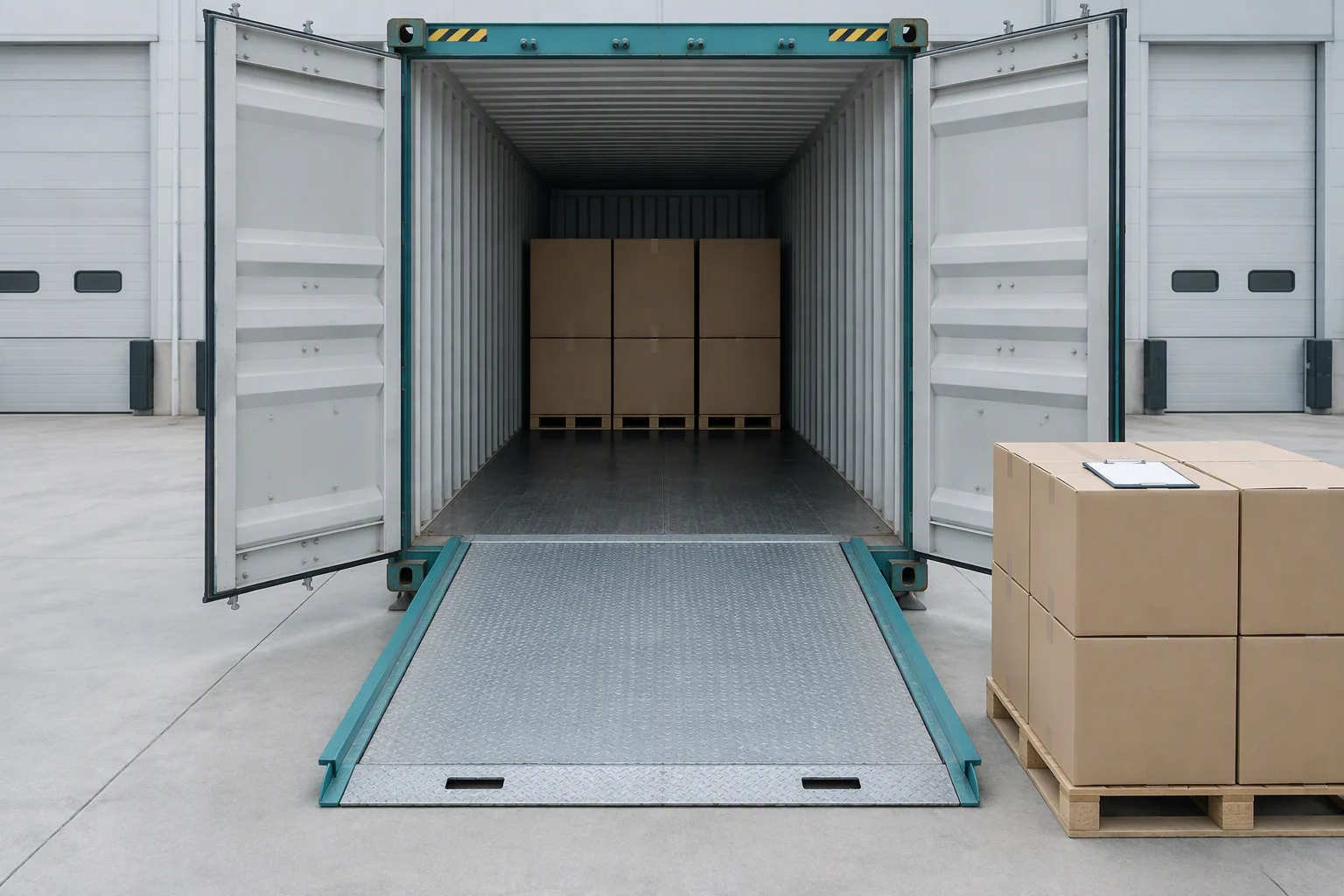
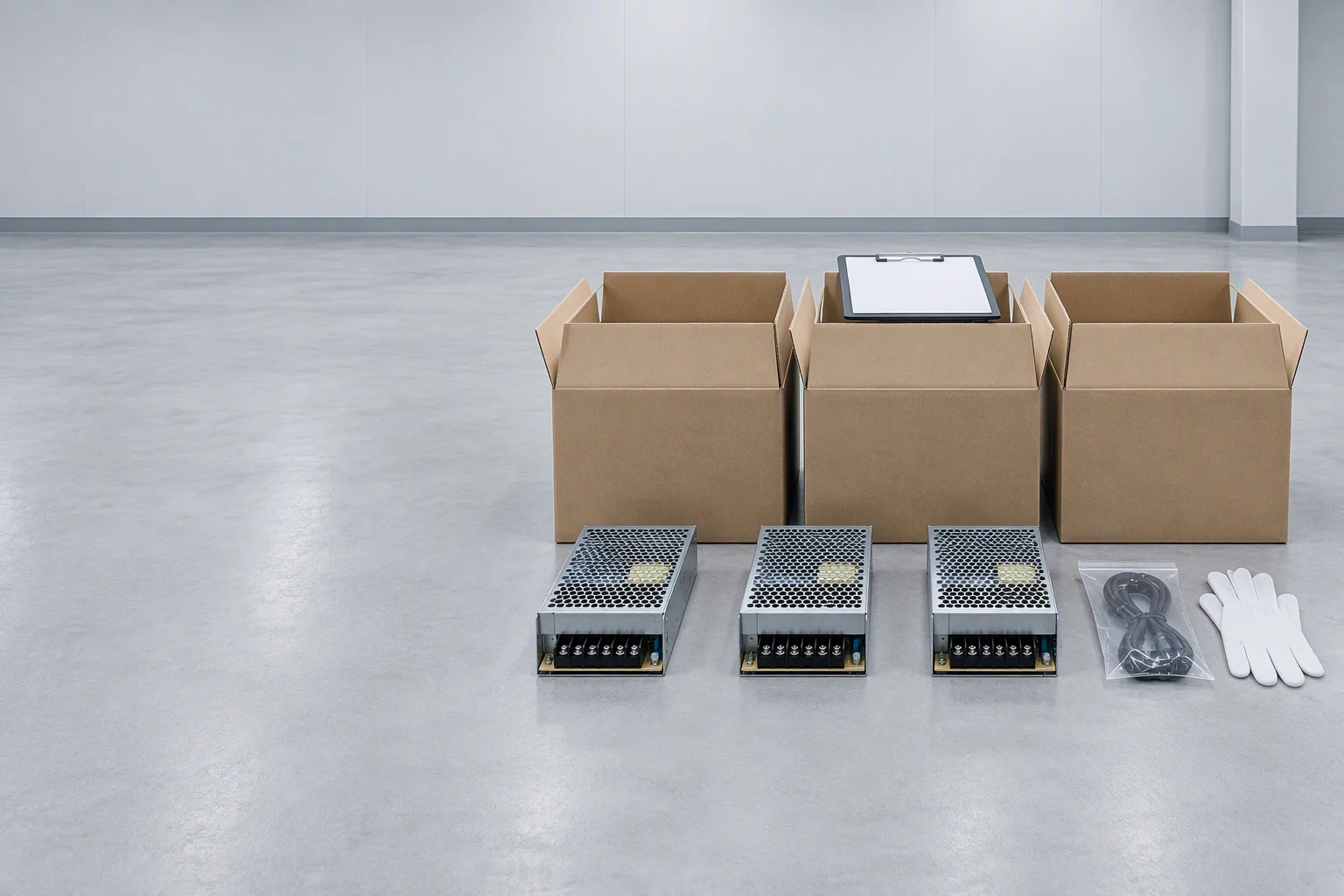
Three open plain cartons in a row on a warehouse floor with identical finished power supply units laid out in a line in front of them

Service 05 · production follow-up & QC · per batch

We sit in the factory,
and inspect the batch.

The gap between a golden sample and a shipped lot is the most expensive gap in sourcing, and it is structural.

Global inspection failure
33%
China runs around 30%; electrical and electronic products 23.4%
First-order defect rate
3–5%
A new supplier, against 0.5–2% for a mature relationship
Pre-shipment inspection
$199–320
Per man-day, paid by the buyer directly to the inspection company
Report turnaround
24–48 h
Standard, expedited to 4 hours when a vessel is waiting on it

01The fear

The first article was fine.
The batch is the question.

structural gapnot a factory failing
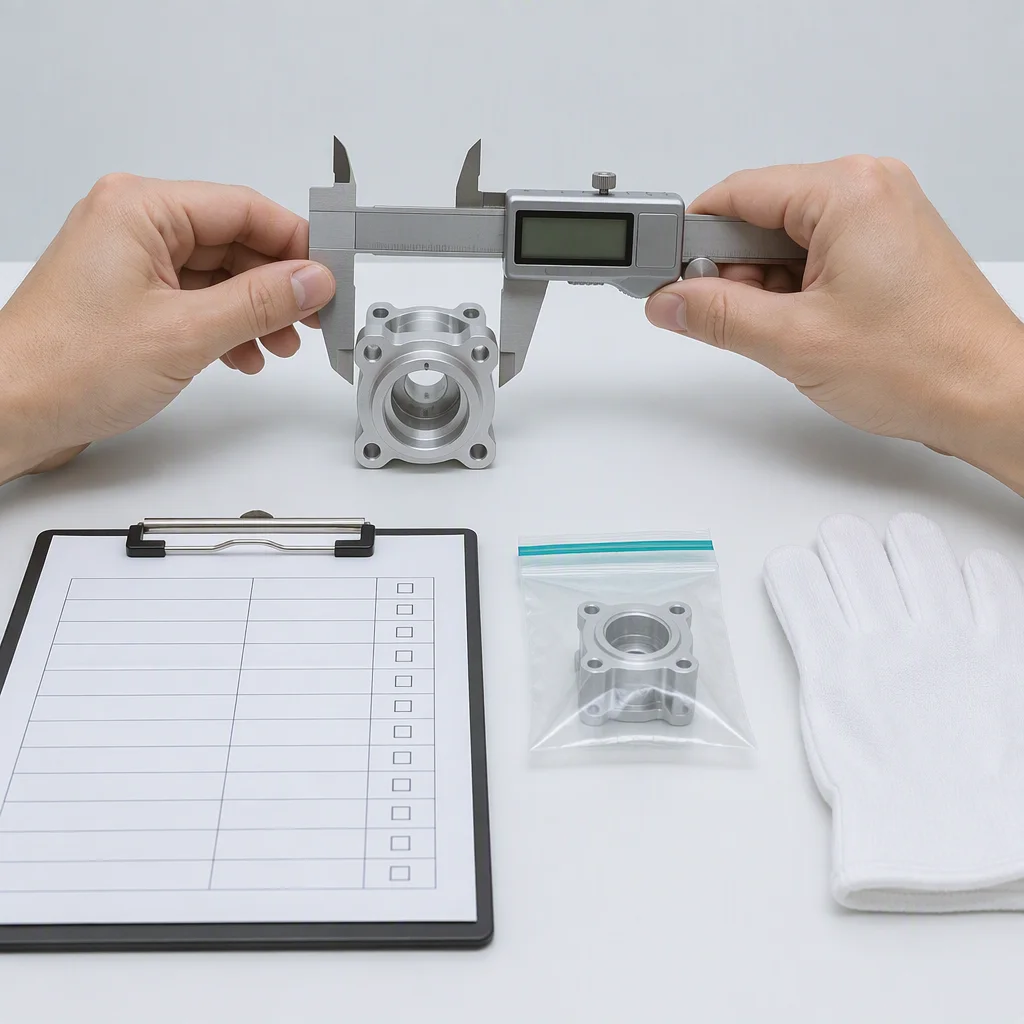
Digital calipers closed around a machined aluminium housing beside a blank inspection checklist and a sealed sample bag FEAR-01

The sample was made differently

A first article is made by the best operator on the line, with attention, at low speed.

best operatorlow speed
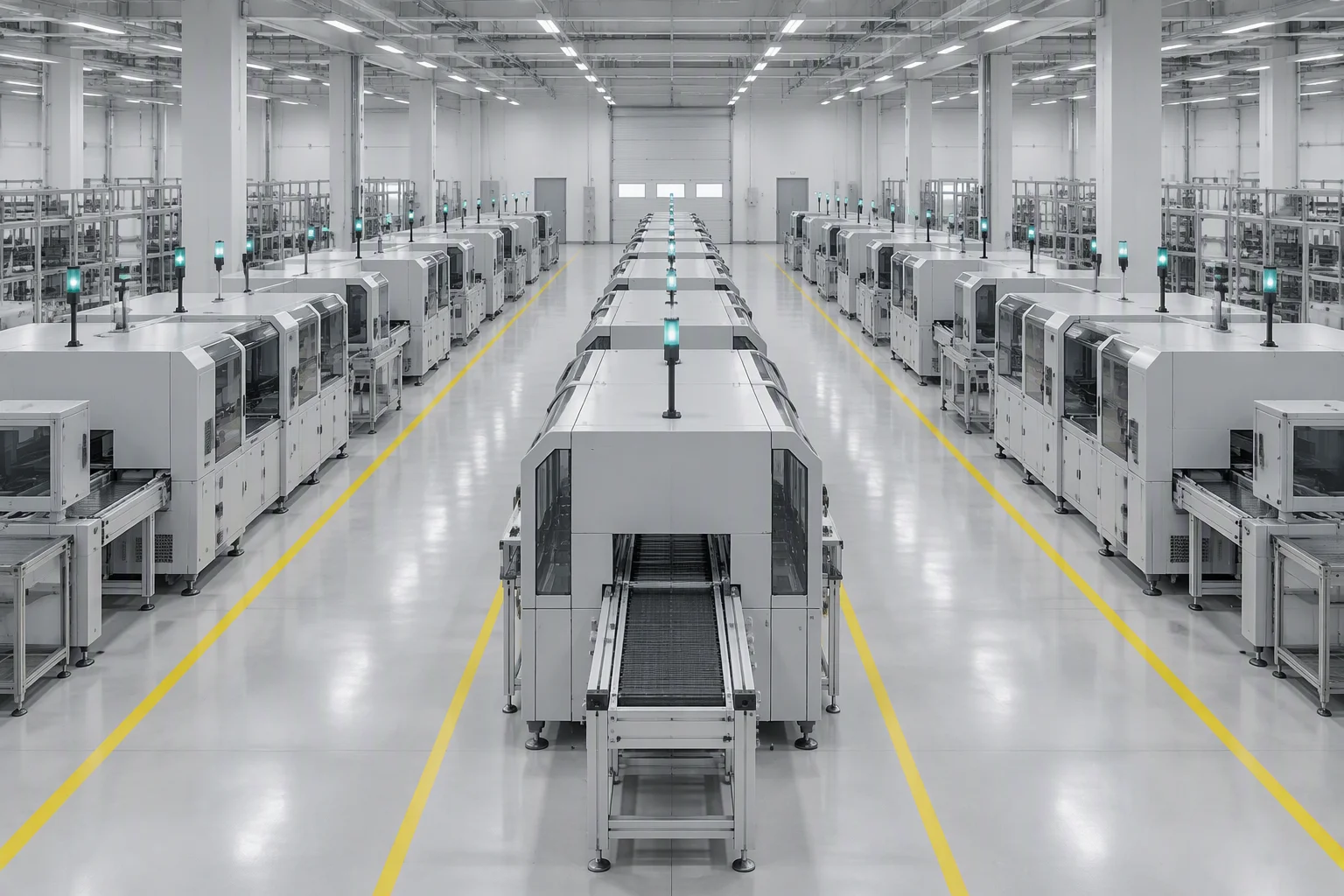
A wide production floor seen from a raised viewpoint, with three rows of identical assembly machinery and painted walkways FEAR-02

The measured base rate is not reassuring

Global product inspection failure runs about 33%, China about 30%, electrical and electronic products 23.4%.
33% global23.4% electrical
Parallel rows of finished server racks and power shelves staged on pallets in a pale dispatch hall FEAR-03

You pay the difference at the destination

A 10,000-piece order at a 3–5% first-order defect rate means 300–500 defective units arriving after freight is paid.
300–500 unitsfreight already paid
A blank unmarked form on a clipboard with a pen, abstract ruled lines and empty tick boxes FEAR-04

The checker and the checked

The factory's own QC has an incentive problem: the party being checked should not be signing the result.

self-declarednot a report

02Deliverable · the inspection report
One report per batch,
and it holds the money.

6 contentspass or fail, not a narrative
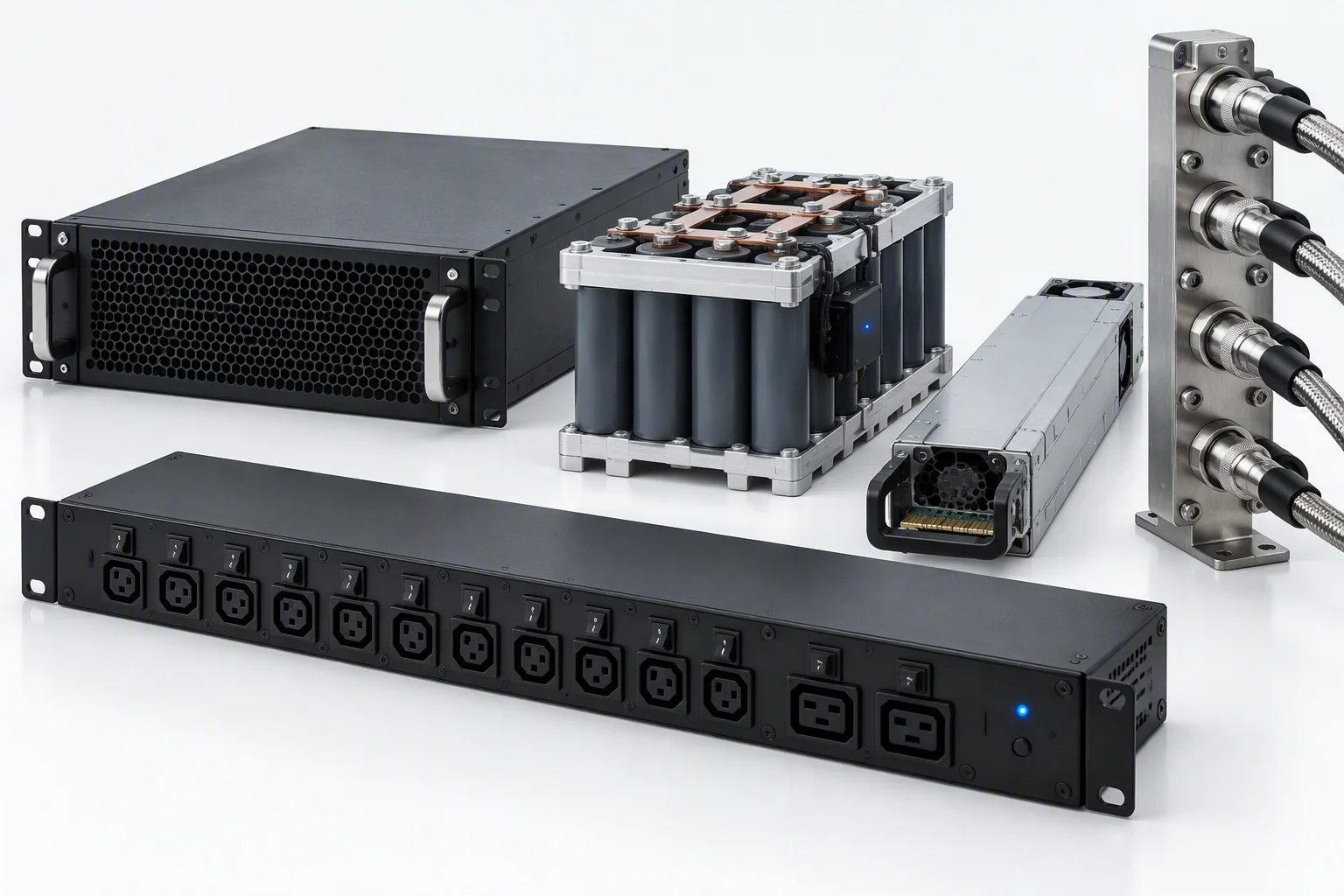
A rack battery shelf, a supercapacitor module, a supply module, a vertical PDU and a manifold plate grouped on a pale bench
RPT-01 The sample drawn. How many units came out of the sealed cartons, and at which inspection level.
Three open plain cartons in a row on a warehouse floor with identical finished power supply units laid out in a line in front of them
RPT-02 Defects by severity. Critical, major and minor counted separately — and classified before the inspection, never after it.
A blank unmarked form on a clipboard with a pen, abstract ruled lines and empty tick boxes
RPT-03 The AQL result. The accept and reject numbers the lot was judged against, written out, with the arithmetic visible.
A production panel of identical boards held in a white inspection fixture with gold pads and a teal solder mask
RPT-04 Photographic evidence. The specific units that failed, and the carton markings they came out of.
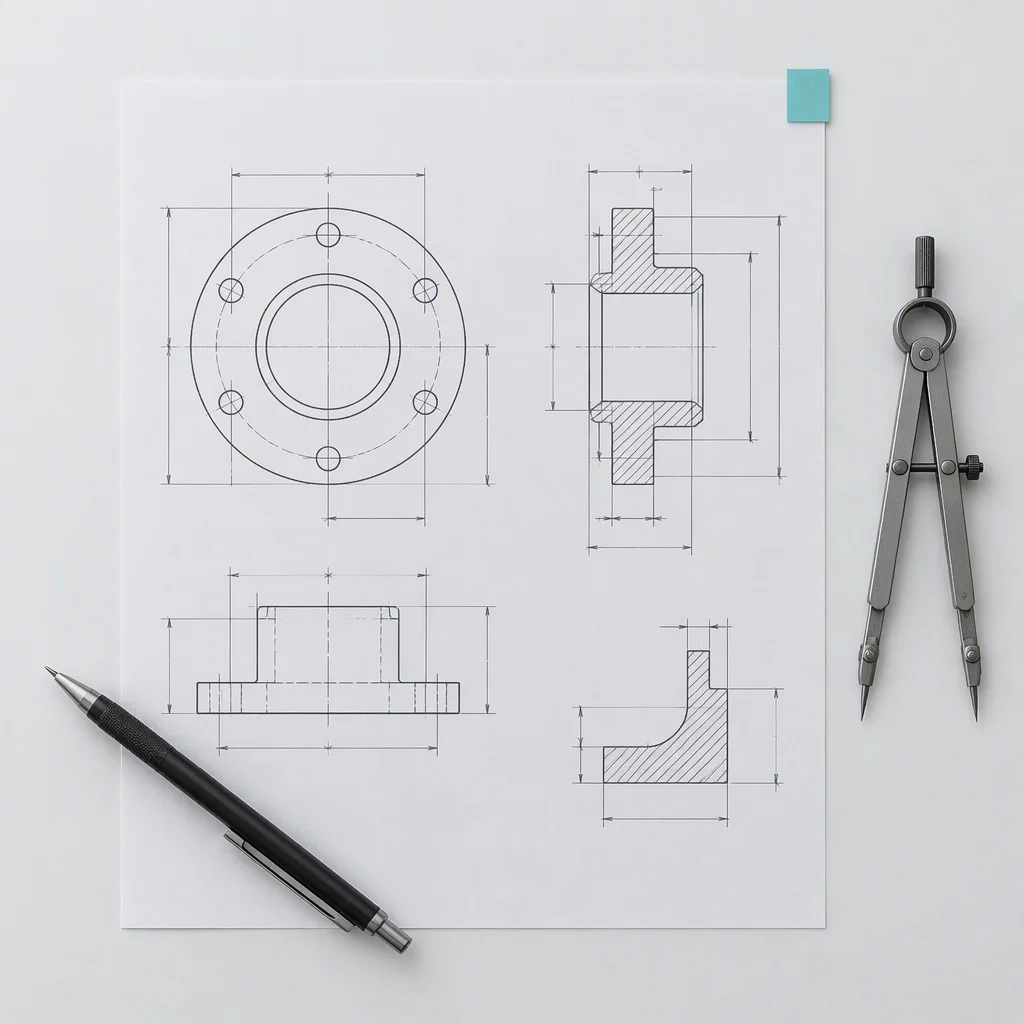
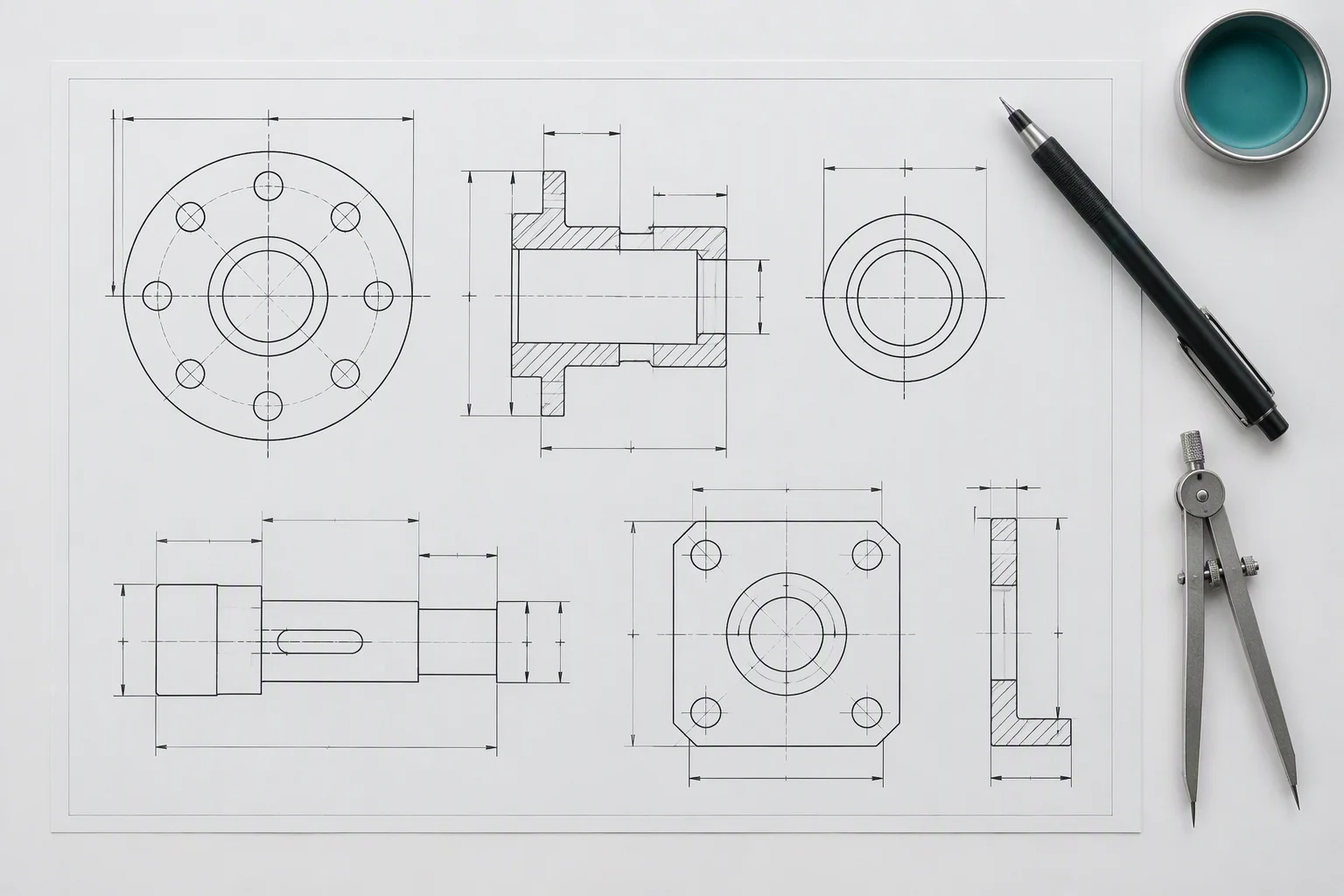
A single technical drawing sheet on a pale surface with a pen, folding dividers and one teal sticky tab
RPT-05 The checklist. What counted as a defect for this product, agreed before anyone opened a carton.
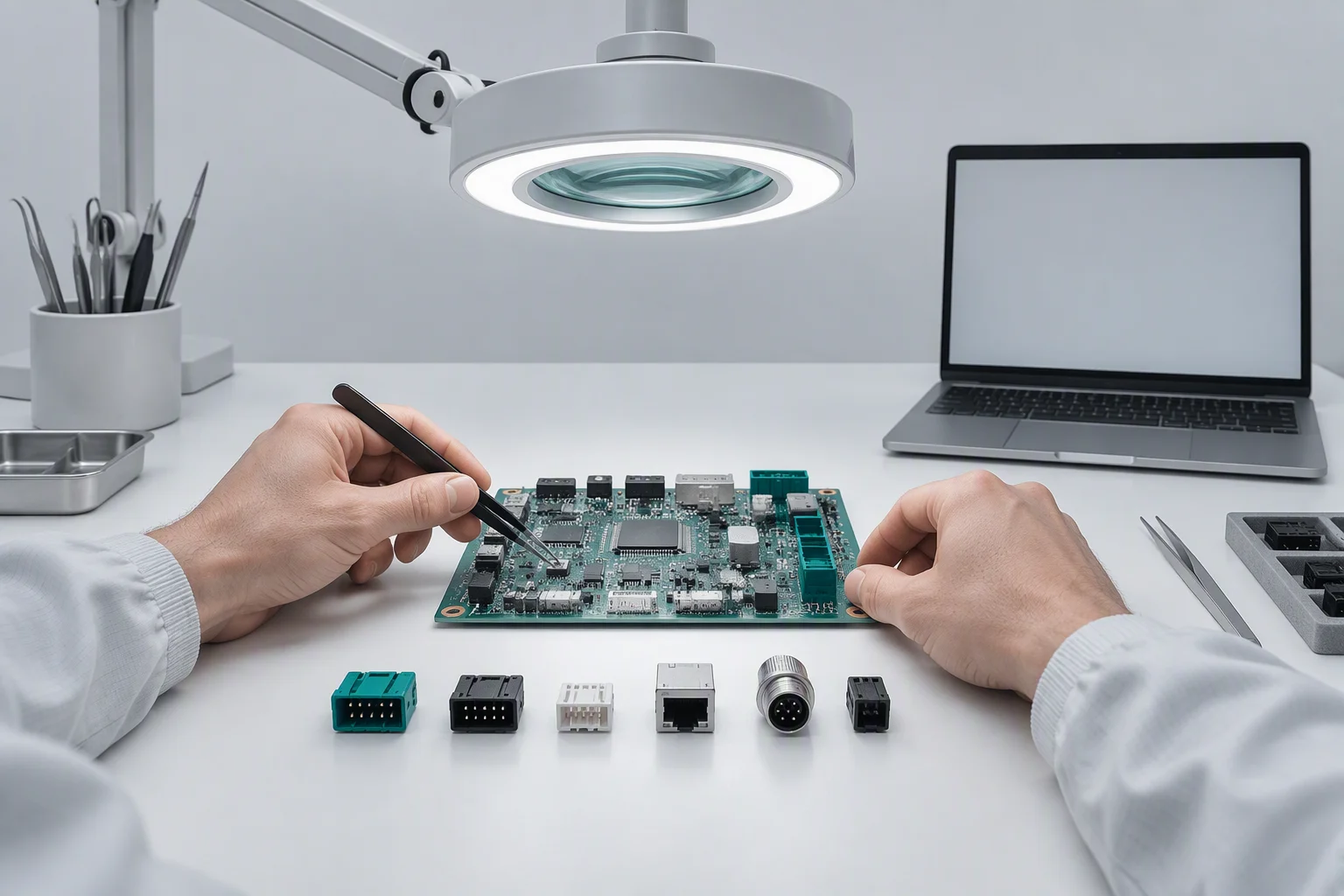
An engineering bench under an inspection lamp with a finished board assembly, a magnifier arm and sample connectors
RPT-06 Pass or fail, as a payment gate. An inspection that does not hold the balance payment is a report; one that does is leverage.

03Mechanism · the arithmetic

The sampling arithmetic,
written out.

ISO 2859-1:1999ANSI-ASQ Z1.4level II
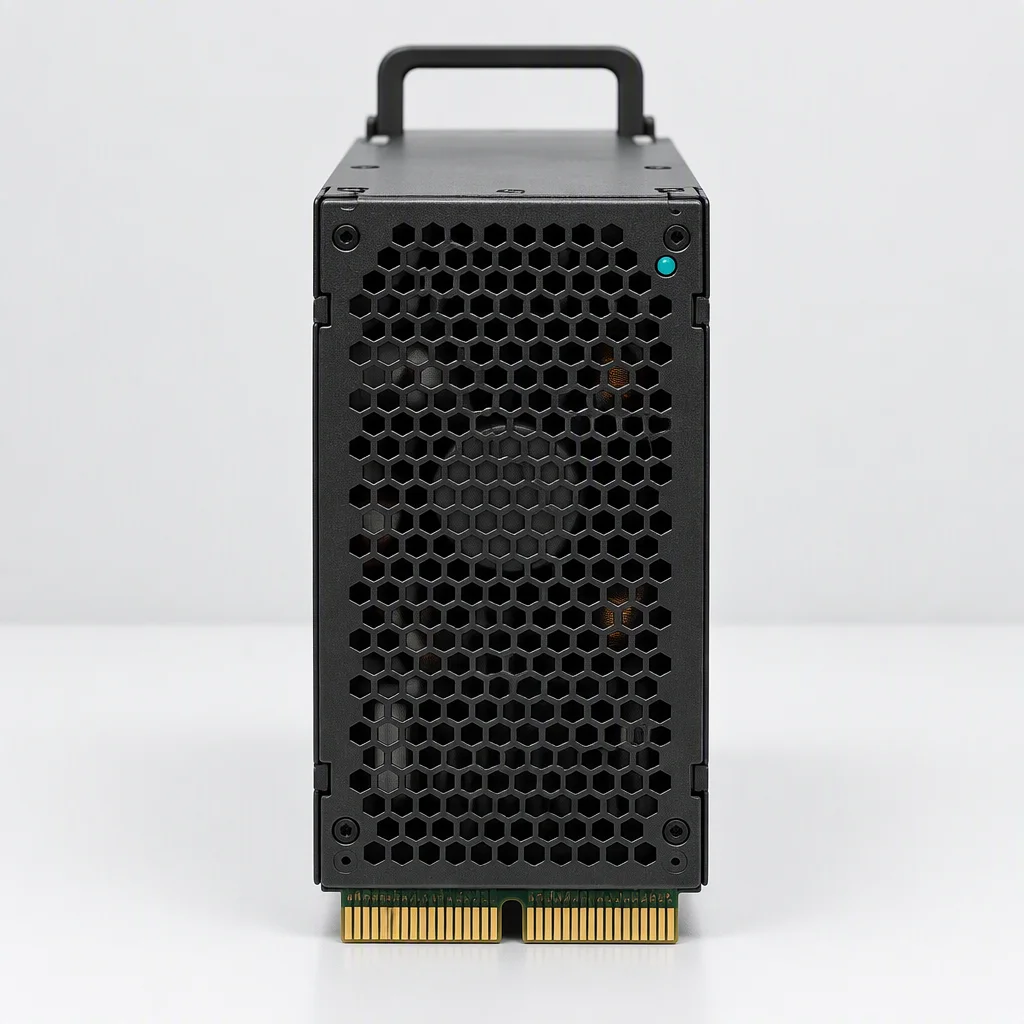
A finished CRPS server power supply module with a perforated intake face and a gold edge connector
Fig. A Read it once. A 2,000-piece lot samples 125 units; at AQL 2.5 the lot is accepted at 7 major defects and rejected at 8.
Digital calipers closed around a machined aluminium housing beside a blank inspection checklist and a sealed sample bag
Fig. B One man-day is about 12 hours. One to three hours of travel each way, and roughly four hours of focused checking on site.
A single technical drawing sheet on a pale surface with a pen, folding dividers and one teal sticky tab
Fig. C The buyer pays the inspection company directly. One day runs $199–320, about 1.5% of a $20,000 order.
ISO 2859-1 / ANSI-ASQ Z1.4 — general inspection level II
Lot size (pcs)SampleAQL 2.5 accept / rejectAQL 4.0 accept / reject
151–280322 / 33 / 4
501–1,200805 / 67 / 8
1,201–3,2001257 / 810 / 11
3,201–10,00020010 / 1114 / 15

Lower AQL numbers are stricter. The sampling table never defines what counts as a defect, so a written checklist is required alongside it.

04Mechanism · five checkpoints

How the batch is
actually controlled.

5 checkpointskitting to loading bay
A single technical drawing sheet on a pale surface with a pen, folding dividers and one teal sticky tab STEP 01

The pre-production meeting

Material kitting, a golden sample signed and retained, and the acceptance class on the purchase order.
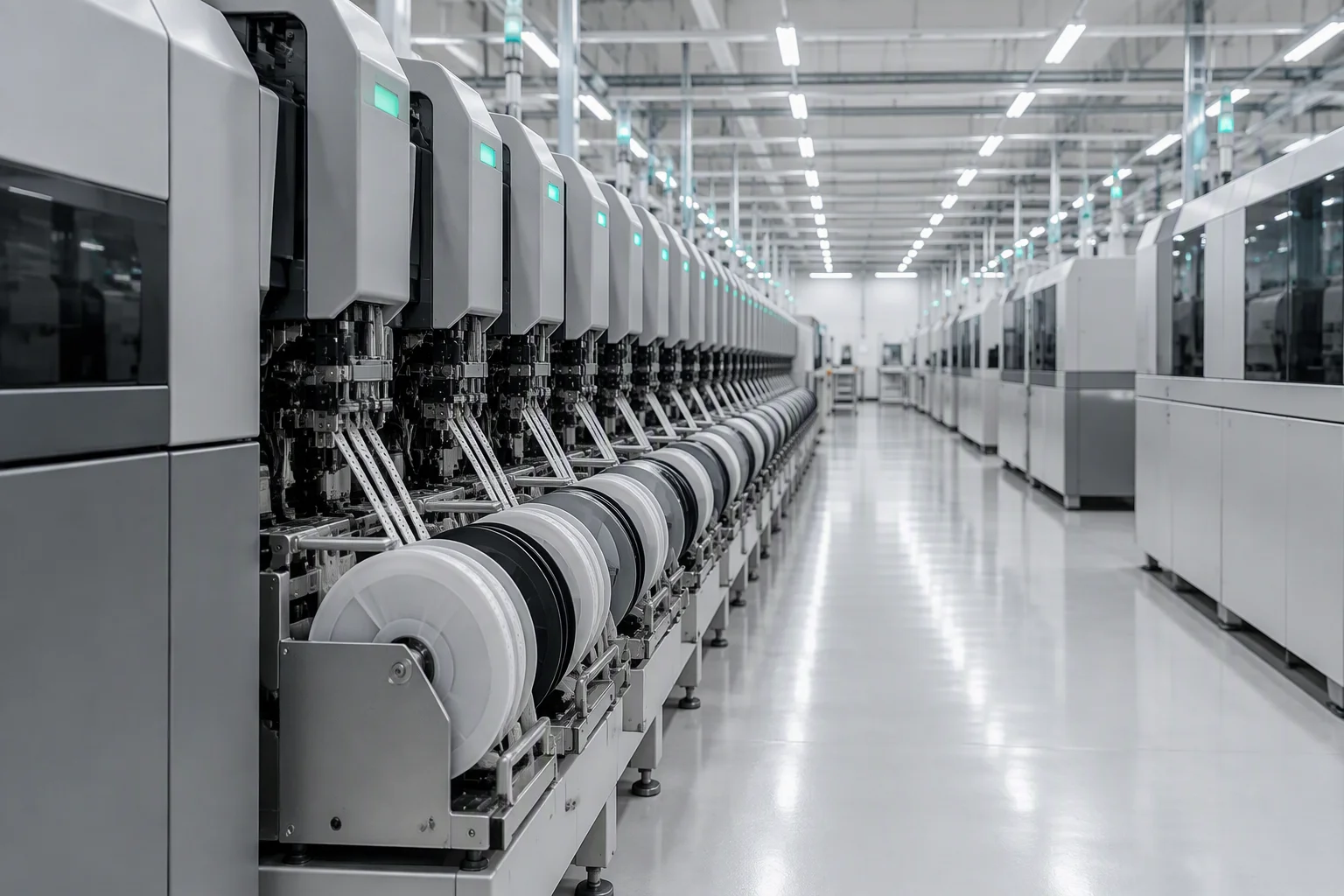
A close view down one SMT line with pick-and-place heads and feeder reels in strict alignment STEP 02

Inspection when the line starts

A wrong first piece is caught before the run, not after it. $199–320 per man-day.

A wide production floor seen from a raised viewpoint, with three rows of identical assembly machinery and painted walkways STEP 03

Inspection at 20–30% complete

This is the only point where rework is still cheaper than scrap.

Three open plain cartons in a row on a warehouse floor with identical finished power supply units laid out in a line in front of them STEP 04

Pre-shipment inspection

On the finished lot, with the AQL sample drawn at random from sealed cartons.

Digital calipers closed around a machined aluminium housing beside a blank inspection checklist and a sealed sample bag STEP 05

The report gates the payment

Fail means rework and a second inspection day before anything moves to the port.

05Inputs · what we need from you

Four inputs,
and the inspection is booked.

4 inputs48 h notice, 1 week ahead
A single technical drawing sheet on a pale surface with a pen, folding dividers and one teal sticky tab IN-01

The order and the batch

The purchase order, the batch size, and the completion date the factory has quoted.

A blank unmarked form on a clipboard with a pen, abstract ruled lines and empty tick boxes IN-02

The AQL you want

Defaults are 0 for critical, 2.5 for major, 4.0 for minor. Safety-related products tighten to 1.0 or below.

Three open plain cartons in a row on a warehouse floor with identical finished power supply units laid out in a line in front of them IN-03

The checklist

What counts as a defect on your product, in writing, before anyone opens a carton.

A wide production floor seen from a raised viewpoint, with three rows of identical assembly machinery and painted walkways IN-04

The right to inspect

Written into the purchase order before production starts, with 48 hours' notice to the factory.

06Where it fits

Inspection is the line
that holds the money.

6 services1 contract

No partner factory is named on this page. Naming one would read as an endorsement; every partner is listed on the network pages.

07Start

Send us your PO and batch size.

We will quote the inspection and tell you which checkpoints the batch actually needs.

Recorded. An engineer will reply.

Written technical assessment, from eric@dfshk.cn.

Book a factory visit eric@dfshk.cn · +86 152 3512 7440