EMS–TRADE Electronics export trading
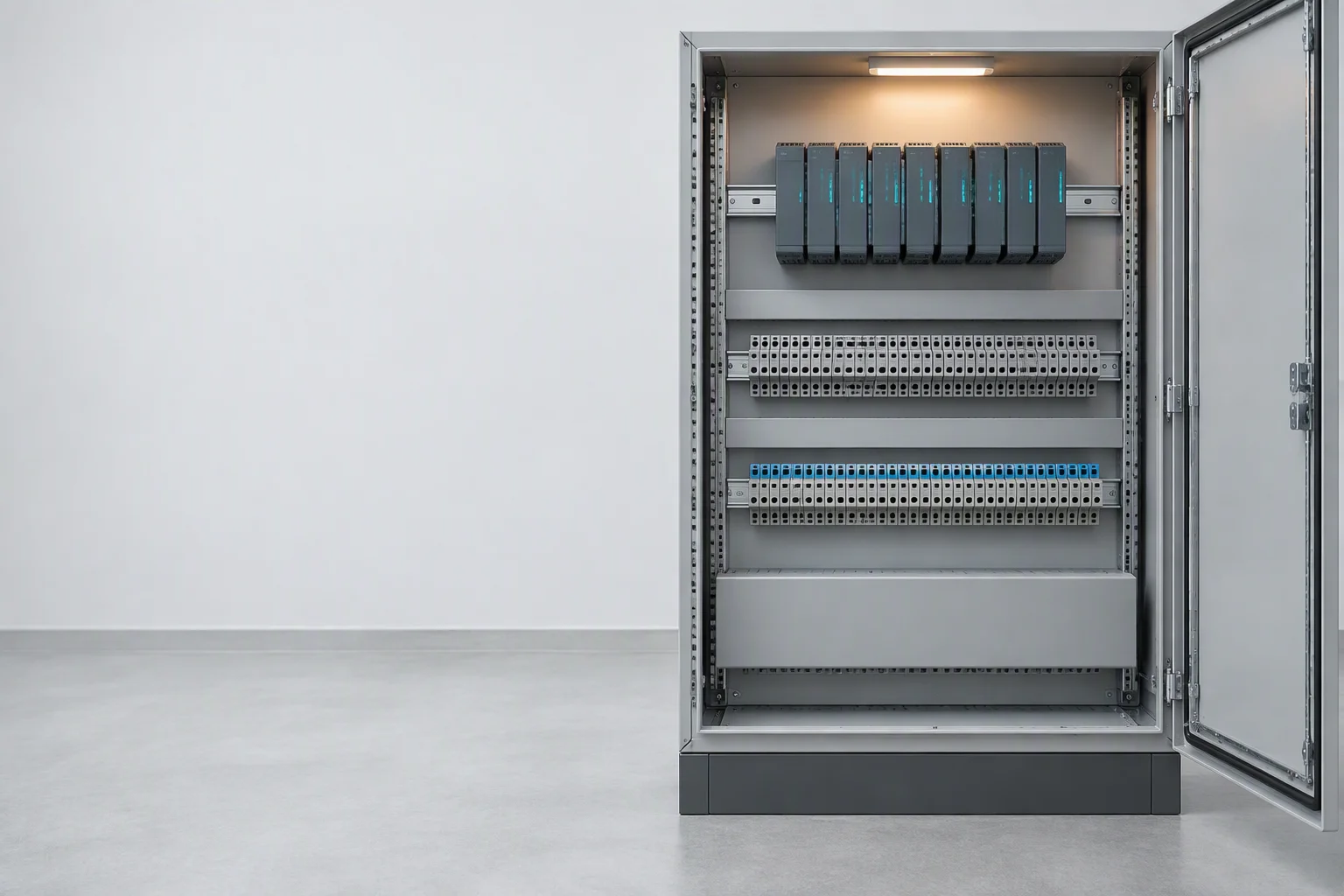
An open industrial control cabinet with a plain DIN rail carrying identical sealed modules in strict alignment

Industry · Groups C and E · six supplier sites · Shenzhen

Industrial automation & drives

An automation board is ordered in the hundreds and has to behave identically in year eight. That is a supply-chain problem, not a price problem.

Class 2 share
70%
Of global assembly volume is built to IPC-A-610 Class 2 acceptance criteria
Class 3 premium
20–40%
Added cost over Class 2, with expected defect rates of 8–15% against 2–5%
Layer envelope
1–58
Layers across the network's fabrication sites, with no minimum order quantity at two of them
Operating band
−20/+60°C
Stated range on the wide-temperature industrial motherboards, on 9–36 V DC input

01Pain points · what decides the programme

Four things that end an industrial programme.

Class 2 default10-year life1.5 M ISO 9001 certificates

Every figure carries its basis and its qualifier, because two of these are guidance rather than published fact.

01
An assembly-hall aisle between two rows of identical SMT machines, seen from behind
High mix, low volume, high changeover cost Most automation boards are made in the hundreds. Class 2 is the default; Class 3 adds 20–40% in cost. Industry guidance
02
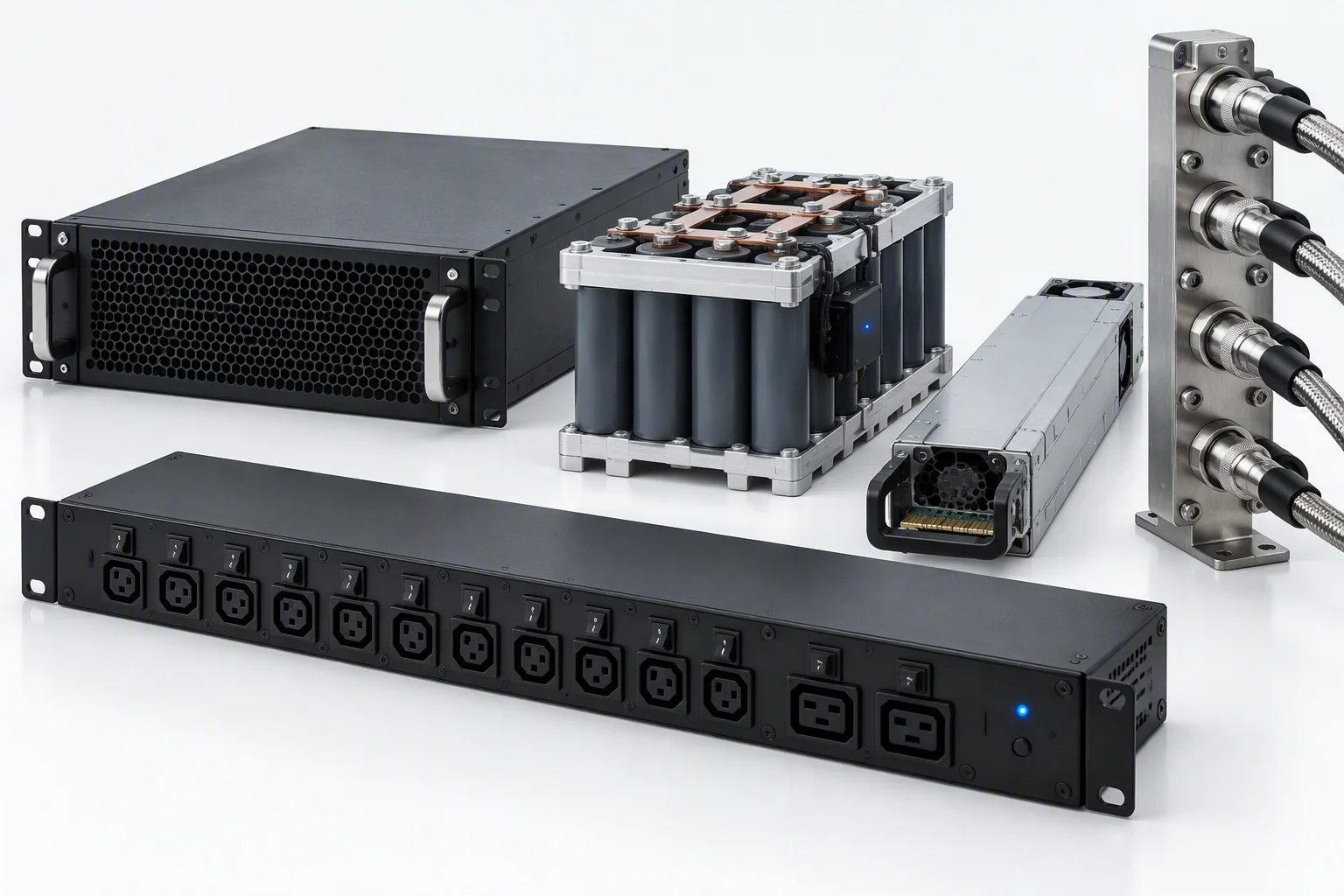
Finished power modules and a metering unit staged in one row on a bench
Product life outlives component life Industrial equipment commonly runs 10+ years. Last-time-buy quantities have to be planned before the die goes obsolete. Industry guidance
03
A hosted factory walkthrough seen from an aisle, with an open door onto a production floor
A certificate is not a process More than 1.5 million valid ISO 9001 certificates exist worldwide, and falsified ones are documented. The audit report matters more than the badge. ISO Survey
04
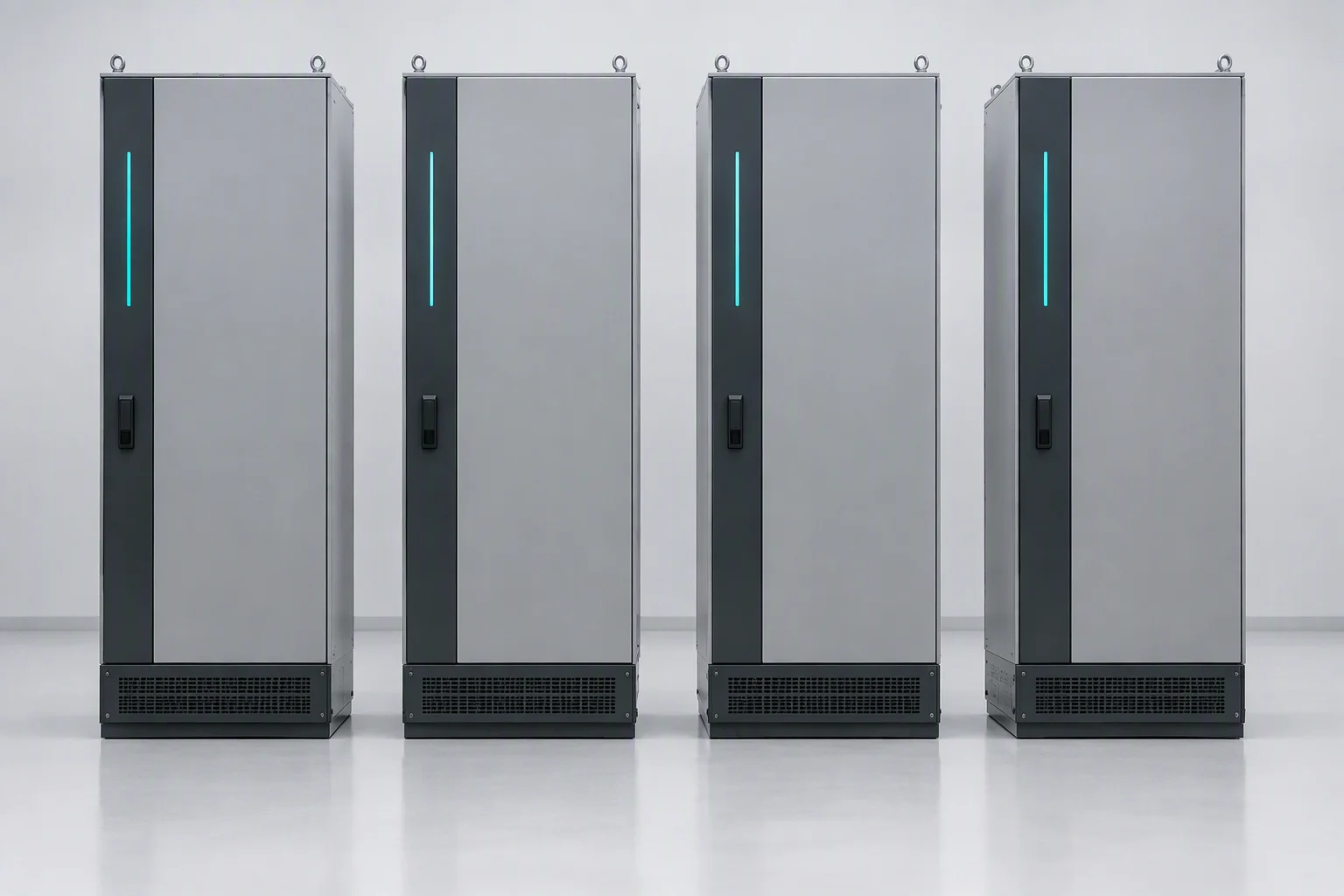
A row of finished industrial drive cabinets with closed doors and blank panels
The environment is the specification Ionic contamination limits are 1.56 µg NaCl eq./cm² at Class 2 and 0.78 at Class 3. IPC process limits

02Technical requirements · written into the spec

The class, the stackup and the process document.

IPC-A-610JJ-STD-001JIPC-6012FIPC-7711/7721D

Acceptance and process are two different documents. A supplier who quotes one of them has quoted half a requirement.

Capability envelope and the standards that govern it
ParameterValueBasis
Fabrication1–58 layers0.1 mm minimum trace and space; 0.2–3.2 mm board thickness; 0.15 mm minimum drill; 1–8 oz outer copper.
Assembly0201 / 01005 minimumPlacement accuracy to ±0.03 mm on the sensor line; 75,000–80,000 CPH on volume lines; no MOQ at two sites.
AcceptanceIPC-A-610J, Rev J, March 2024430 pp. The user is responsible for defining the product class, so the class belongs in your PO.
ProcessJ-STD-001J, Rev J, March 2024116 pp, covering soldering materials and process requirements.
Board performanceIPC-6012F · IPC-A-600MRigid board qualification and performance; bare-board appearance, Rev M, May 2025, 212 pp.
ReworkIPC-7711/7721DRev D, December 2023, 286 pp. Some Class 3 joints are not reworkable at all, so agree the disposition path first.
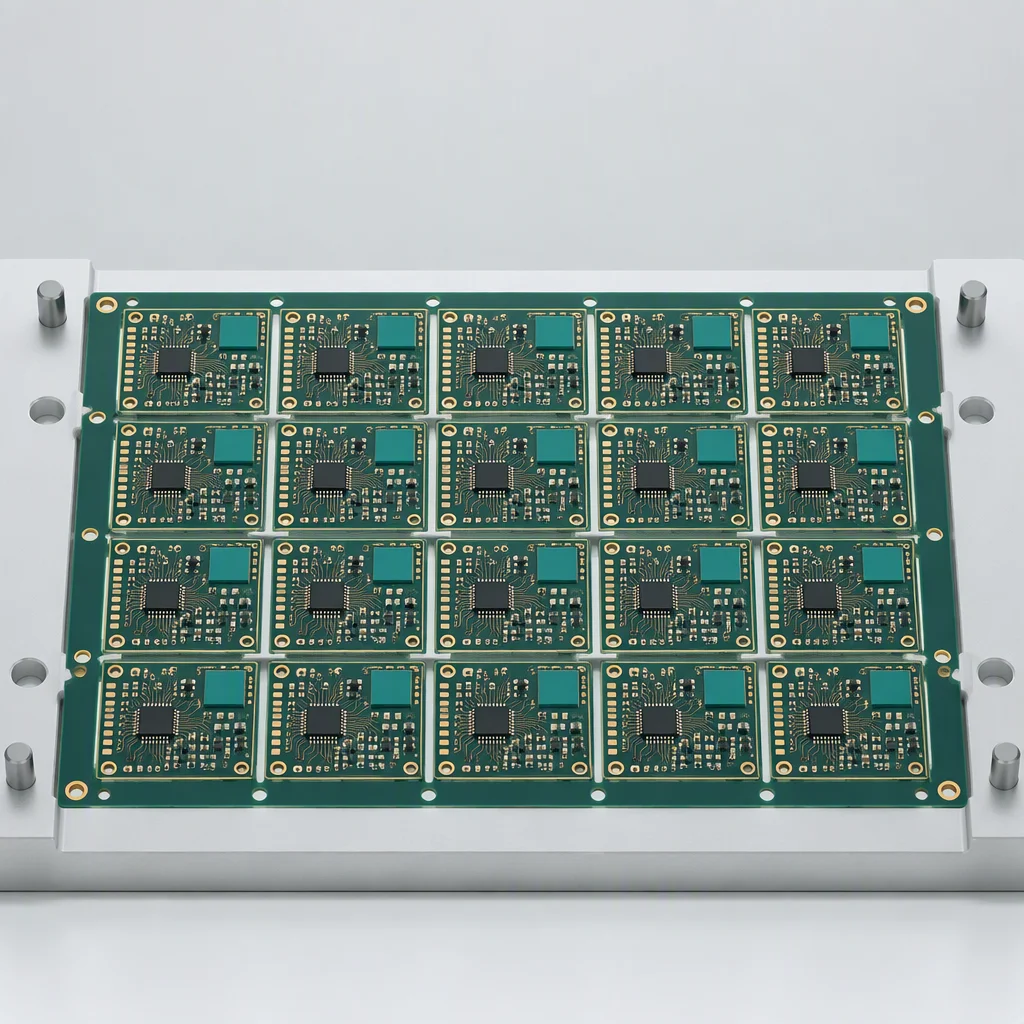
A production panel of identical printed circuit boards held in a white inspection fixture
Fig. 01The class is a cost lever, and it is yours to pull. Class 3 acceptance criteria change the sampling, the inspection coverage and the price.
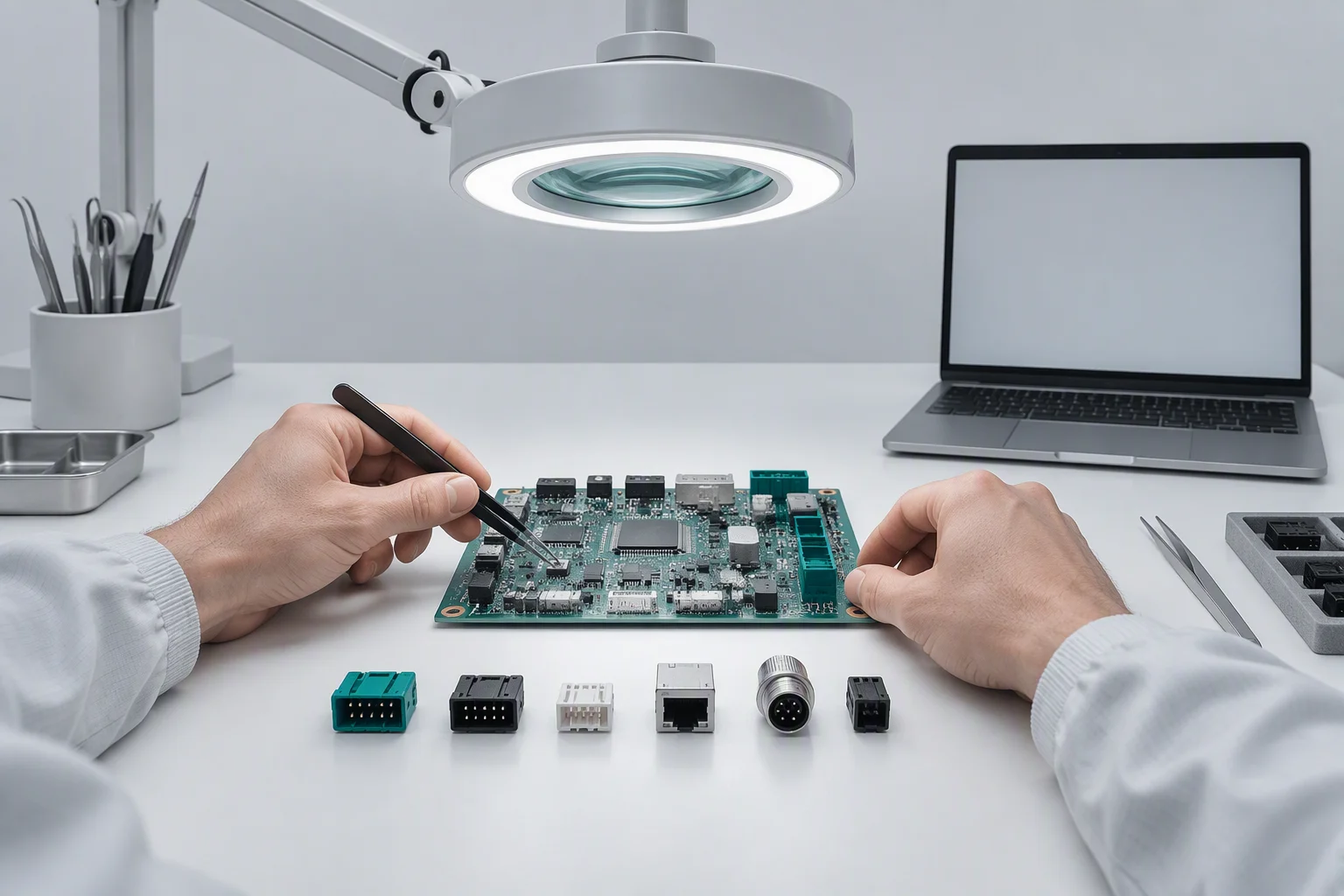
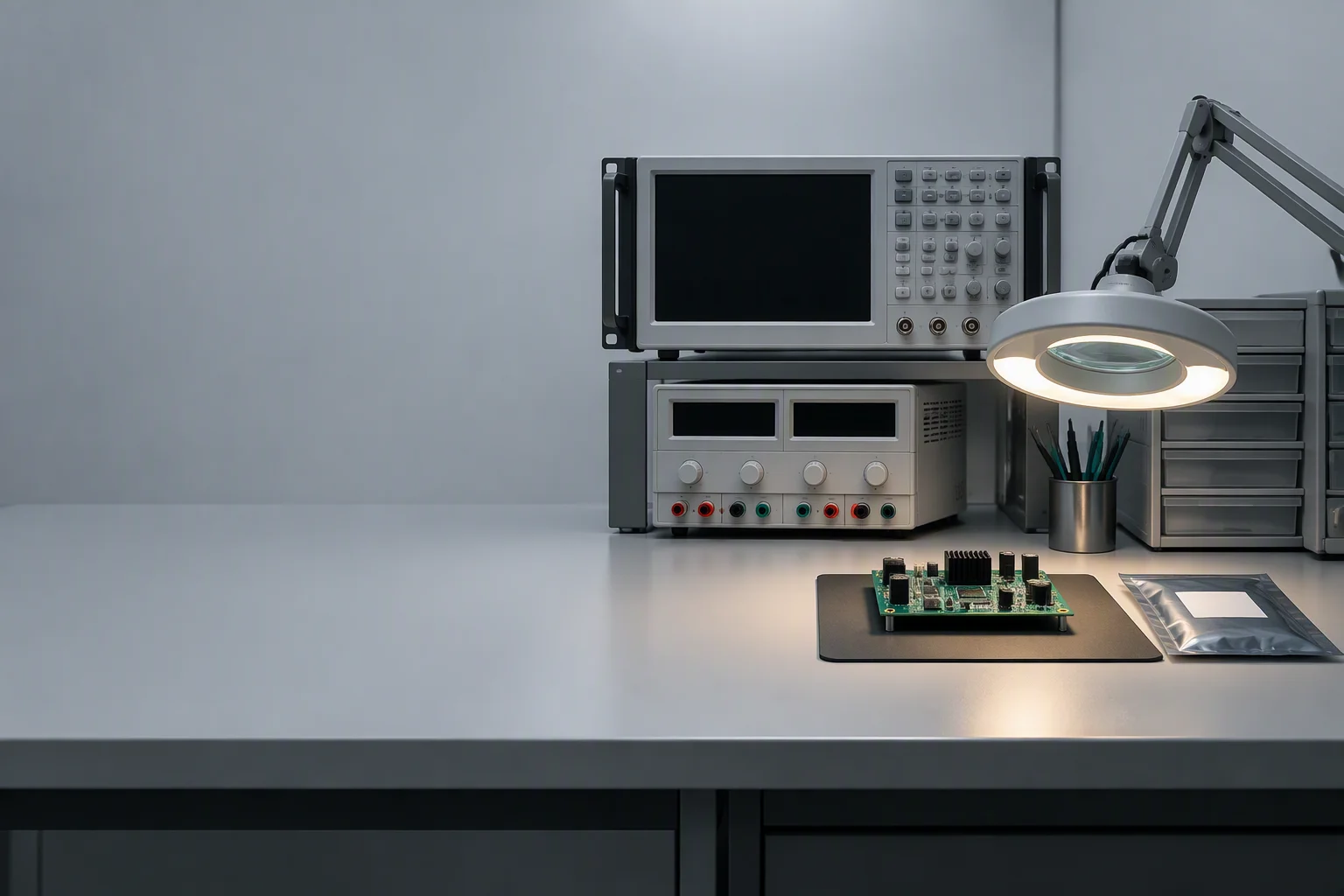
An engineering bench under an inspection lamp with a finished board assembly, a magnifier arm and sample connectors
Fig. 02The documents have to be agreed before the panel is ordered. Acceptance class, inspection method and rework disposition path.
01
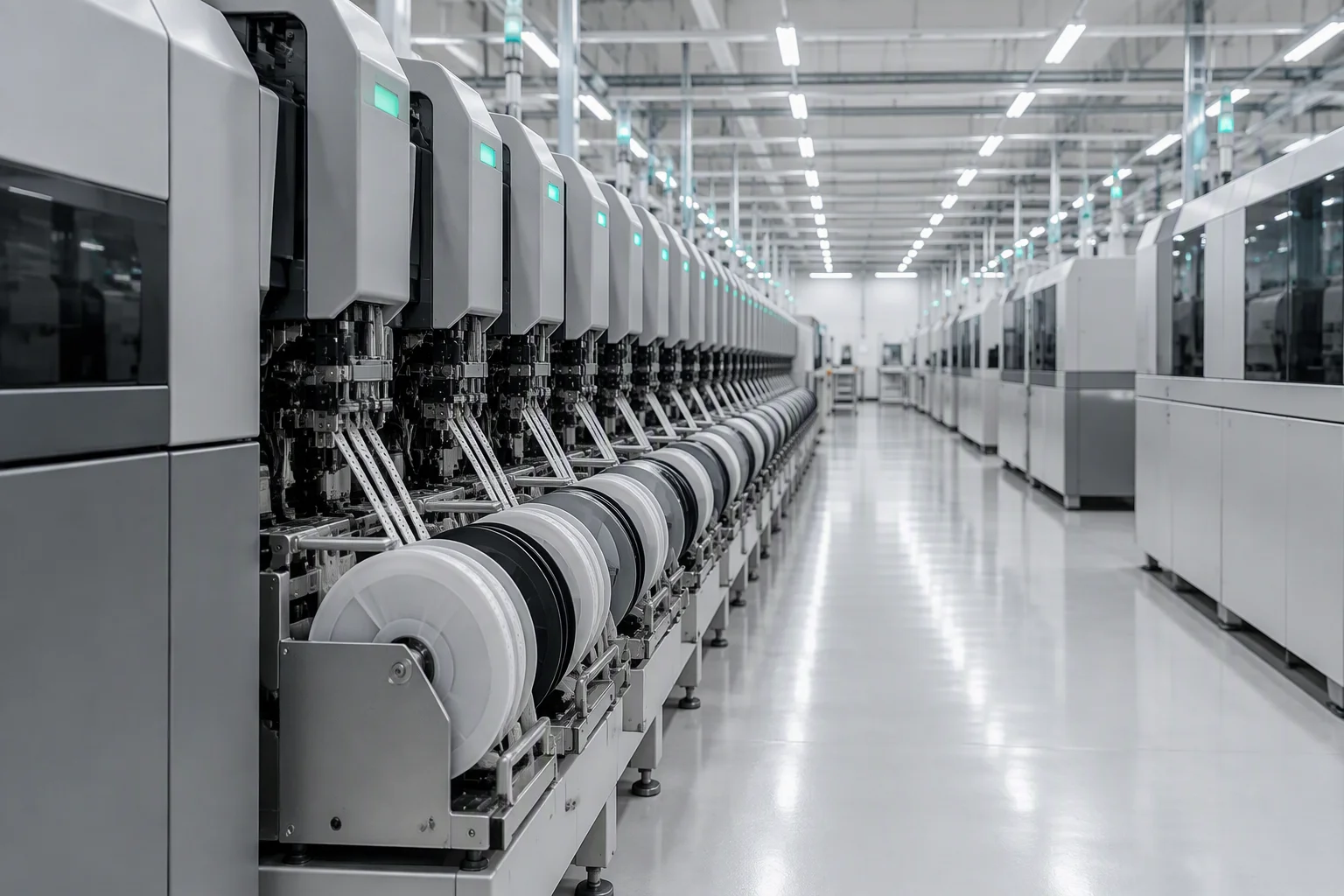
A close view down one SMT line, with pick-and-place heads and feeder reels in strict alignment
Two documents, not one Acceptance criteria and the soldering process standard are separate requirements, and both belong in the purchase order.
02
A production panel of identical printed circuit boards held in a white inspection fixture
Reworkability is a class decision Some Class 3 joints are not reworkable at all, so the disposition path is agreed before production rather than after a failure.
03
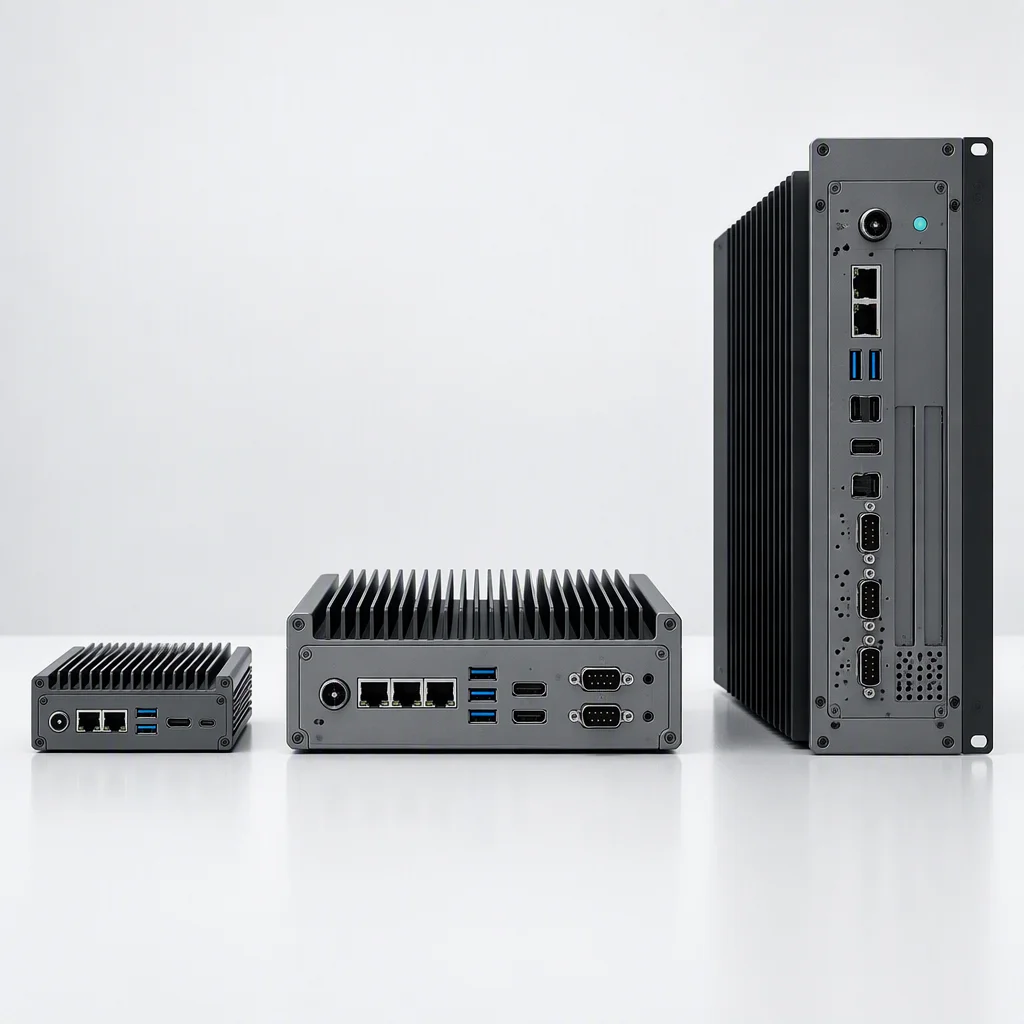
Three finished fanless industrial computers in a row with closed enclosures
Conformal coating is a process step Coating changes inspection: an coated assembly cannot be reworked the same way an uncoated one can.
04
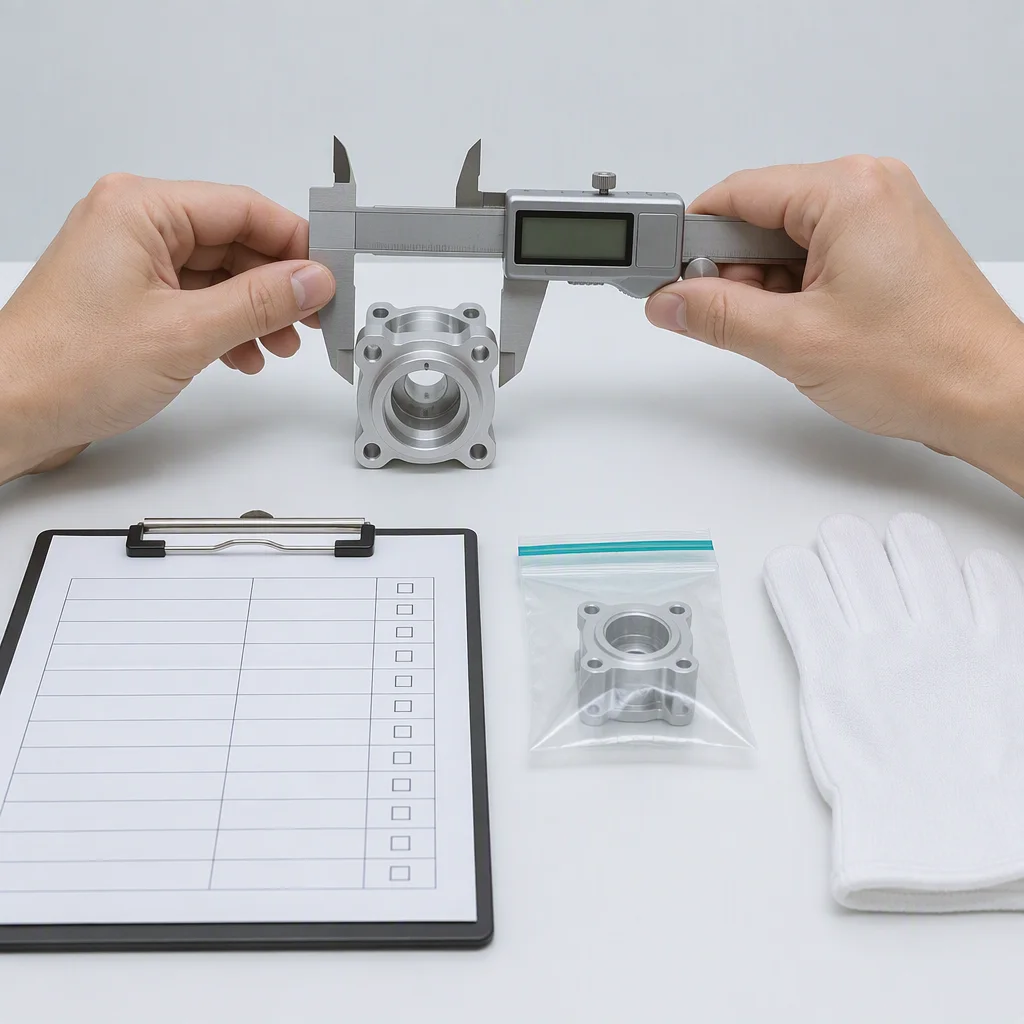
Digital calipers closed around a machined aluminium housing beside a blank inspection checklist
Traceability has a depth you choose Lot-level and unit-level records are different builds of the same file, and they are agreed before production.

03Connection layer · what we supply

Four orderable lines, six sites behind them.

Groups C + E · 6 sitesEach independently operated

Families and numbers as each site publishes them. Nothing here is restated as a company statistic.

04Trust layer · standards that apply

Codes only, each one stated for what it covers.

No holder namesNo certificate numbersNo bare CE claim
01
A production panel of identical printed circuit boards held in a white inspection fixture
UL 796, with the status named Listed applies to a complete product; Recognized Component applies to a part for installation inside one. No edition year is quoted.
02
A technical scope document beside a board sample on a pale bench under even light
CE is a declaration, not a certificate A manufacturer's declaration of conformity with a technical file. The European Commission states the mark does not mean the product has been approved as safe.
03
A rack power shelf and finished power modules staged in one row
FCC Part 15 covers interference only Class A for commercial and industrial sale, Class B for residential. It says nothing about electrical safety.
04
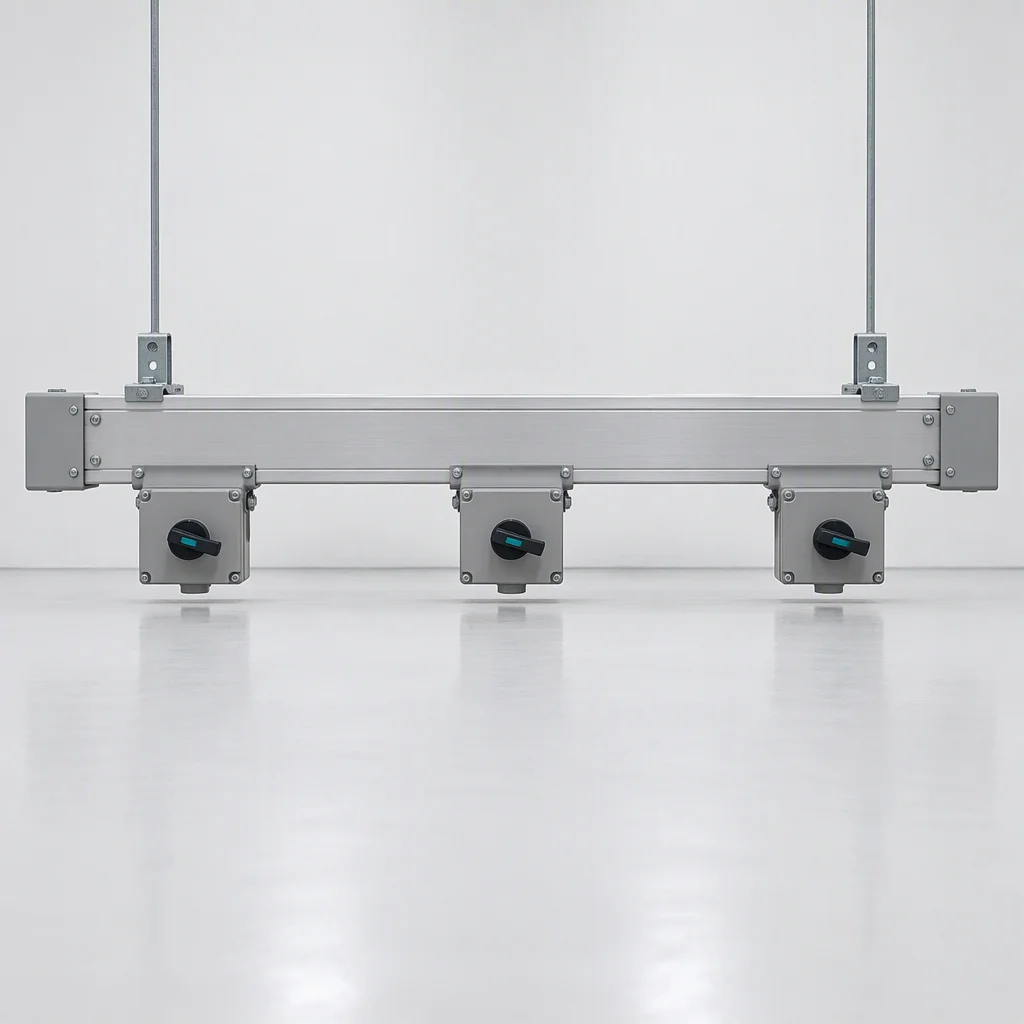
A finished busway run with three tap-off boxes and rotary breaker handles, suspended on brackets
RoHS restricts ten substances Cadmium at 0.01%, the other nine at 0.1% in homogeneous materials. What you receive is a test report and a declaration.
05
An engineering bench under an inspection lamp with a finished board assembly and a magnifier arm
ISO 9001 is mid-transition The sixth edition publishes on 16 September 2026 and the 2015 edition is withdrawn the same day. A report quoting 2015 is in transition or out of date.
06
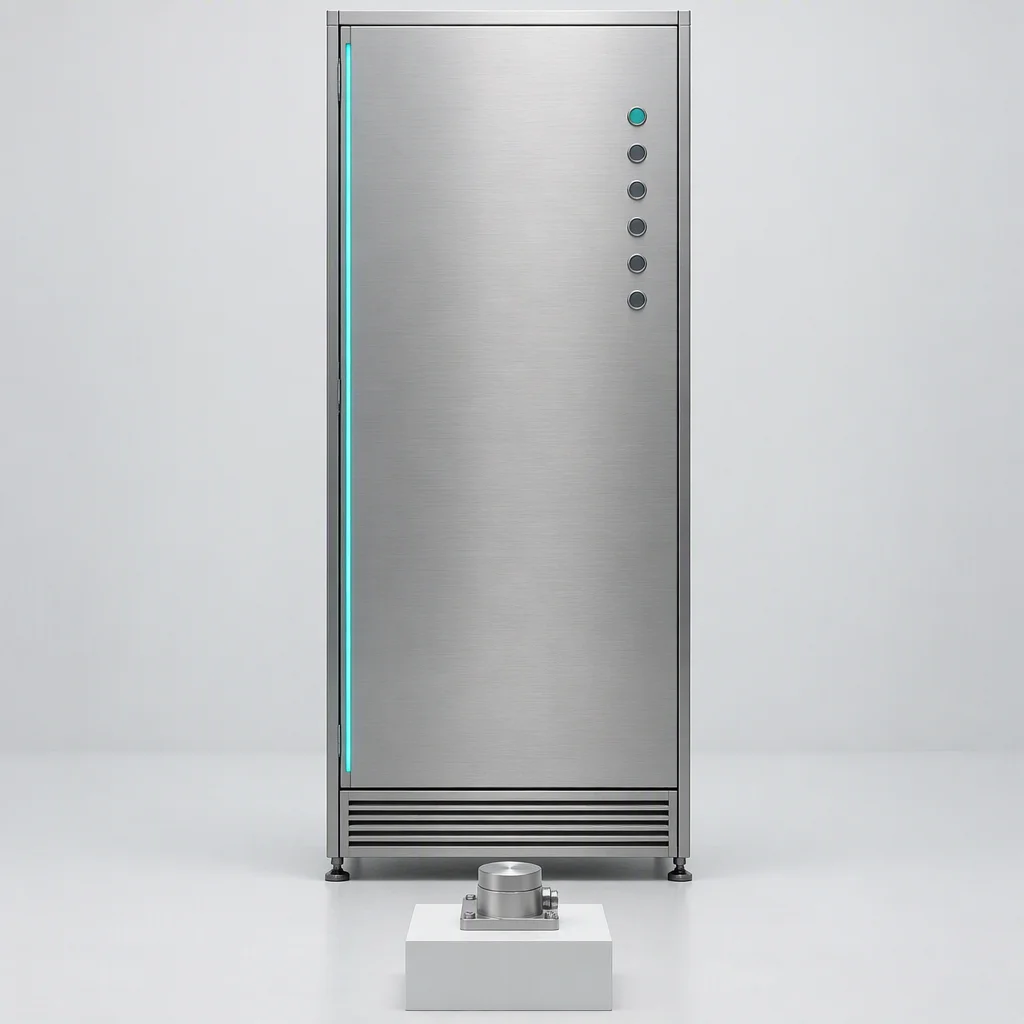
A finished closed industrial control cabinet in brushed stainless beside a small machined sensor module
Coverage, counted rather than claimed Of the 24 partner sites, 12 list ISO 9001, 15 list RoHS and 15 list CE, read on 13 September 2026.

05Programme archetype · anonymised

Three shapes of programme, no names attached.

−20/+60 °C board5 M-cycle sensorNo MOQ
A
Three finished fanless industrial computers in a row with closed enclosures and no boards visible
Wide-temperature controller A stated −20/+60 °C range on 9–36 V DC input, with surge, reverse-polarity and brown-out protection and per-batch reflow verification.
B
A finished closed industrial control cabinet in brushed stainless beside a small machined sensor module
Condition monitoring Vibration and angle sensing to ±0.03 mm placement, with MES traceability and functional test per unit, on an element rated to 5 million cycles.
C
A close view down one SMT line, with pick-and-place heads and feeder reels in strict alignment
High mix, no tooling decision One prototype and ten thousand units on the same line, 0201/01005 minimum component, so the annual re-order does not restart the process.

06Programme archetype · how to read them

Archetypes, not references.

Published capability dataNo customer namedNo client logo
01
An engineering bench under an inspection lamp with a finished board assembly and a magnifier arm
Where the numbers come from Every figure is a published site or product number, not a company statistic.
02
A production panel of identical printed circuit boards held in a white inspection fixture
What an archetype describes The shape of work the network supports, not a delivered contract reference.
03
Digital calipers closed around a machined aluminium housing beside a blank inspection checklist
Who is accountable The site builds the part. We carry the contract, the engineering review and the export.

07Execution layer · what to send

What to send, and what comes back.

Written assessmentClass and costSecond-source notes

A written assessment covering stackup and DFM, the class decision and what it costs, second-source notes for parts that go obsolete first, and a test plan.

Q1
A blank unmarked form on a clipboard with abstract ruled lines and empty tick boxes
What do I send with the enquiry? Board function and block diagram, temperature, vibration and ingress limits, input voltage, target IPC class, annual volume and product life.
Q2
A production panel of identical printed circuit boards held in a white inspection fixture
Who decides the acceptance class? You do. IPC puts that decision on the user, and it is the single largest cost lever on the page.
Q3
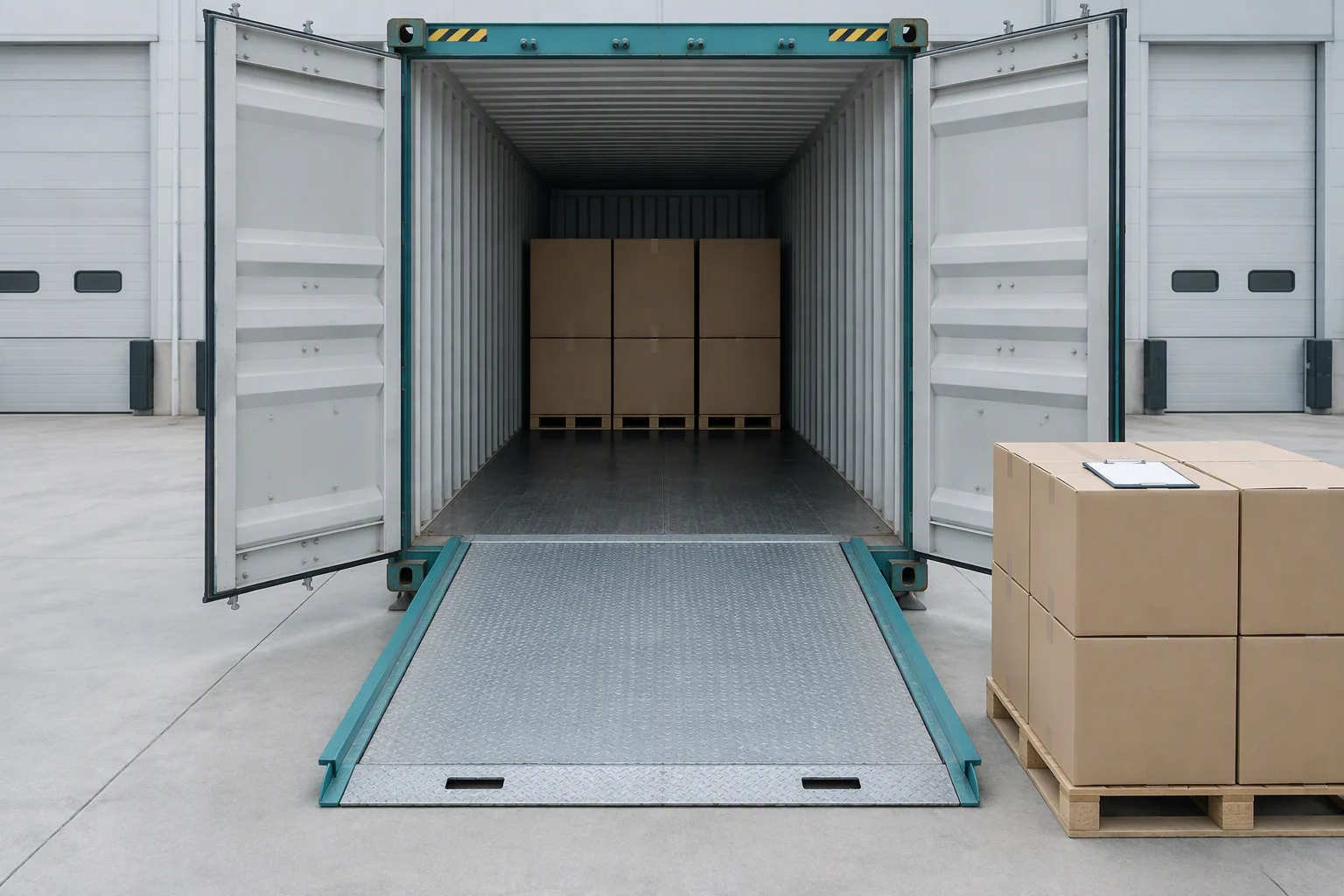
An open container on a pale loading apron with unlabelled cartons on pallets
What are the commercial terms? Default FOB; FCA where the goods are stuffed inland; CFR or CIF only when we sell the freight. The ex-works rule is not quoted.

08Start

Send us your board spec and environmental limits.

Function, temperature, vibration, input voltage and target IPC class.

Recorded. An engineer will reply.

Default term is FOB, FCA for inland stuffing. The ex-works rule is not quoted. Written assessment from eric@dfshk.cn.

What comes back eric@dfshk.cn · +86 152 3512 7440