EMS–TRADE Electronics export trading
A container terminal quay at dusk with two gantry cranes, stacked containers receding in perspective and bollards along the water's edge

Resources · engineering note · export terms

Incoterms 2020
for electronics buyers.

Where risk transfers, who clears export and who insures — for every rule a buyer meets, and the two we will not quote.

In force since
202001-01
Eleven rules, published by the ICC, first edition 1936
Our default
FOB
FCA when the container is stuffed inland
EXW codes in China's table
0
Six transaction methods exist and EXW is not among them
Files the rebate needs
4
Declaration, VAT invoice, transport documents, foreign exchange

01The seven that matter

Who pays the freight, and where the risk moves.

EXWFCAFOBCFRCIFDAPDDP

Read the freight column and the risk column separately. Buyers confuse them, and the C-group exists because they differ.

The rules a buyer meets, and our position on each
RuleModeFreightRisk passesWhen we quote it
EXWAnyBuyerAt the seller's premisesNever
FCAAnyBuyerOn delivery to the carrierInland stuffing
FOBSeaBuyerOn board at the port of shipmentDefault
CFRSeaSellerOn board at the port of shipmentWhen we sell the freight
CIFSeaSellerOn board at the port of shipmentWhen we sell the freight
DAPAnySellerAt destination, before unloadingOn request
DDPAnySellerAt destinationNot to US destinations

Scroll the table sideways

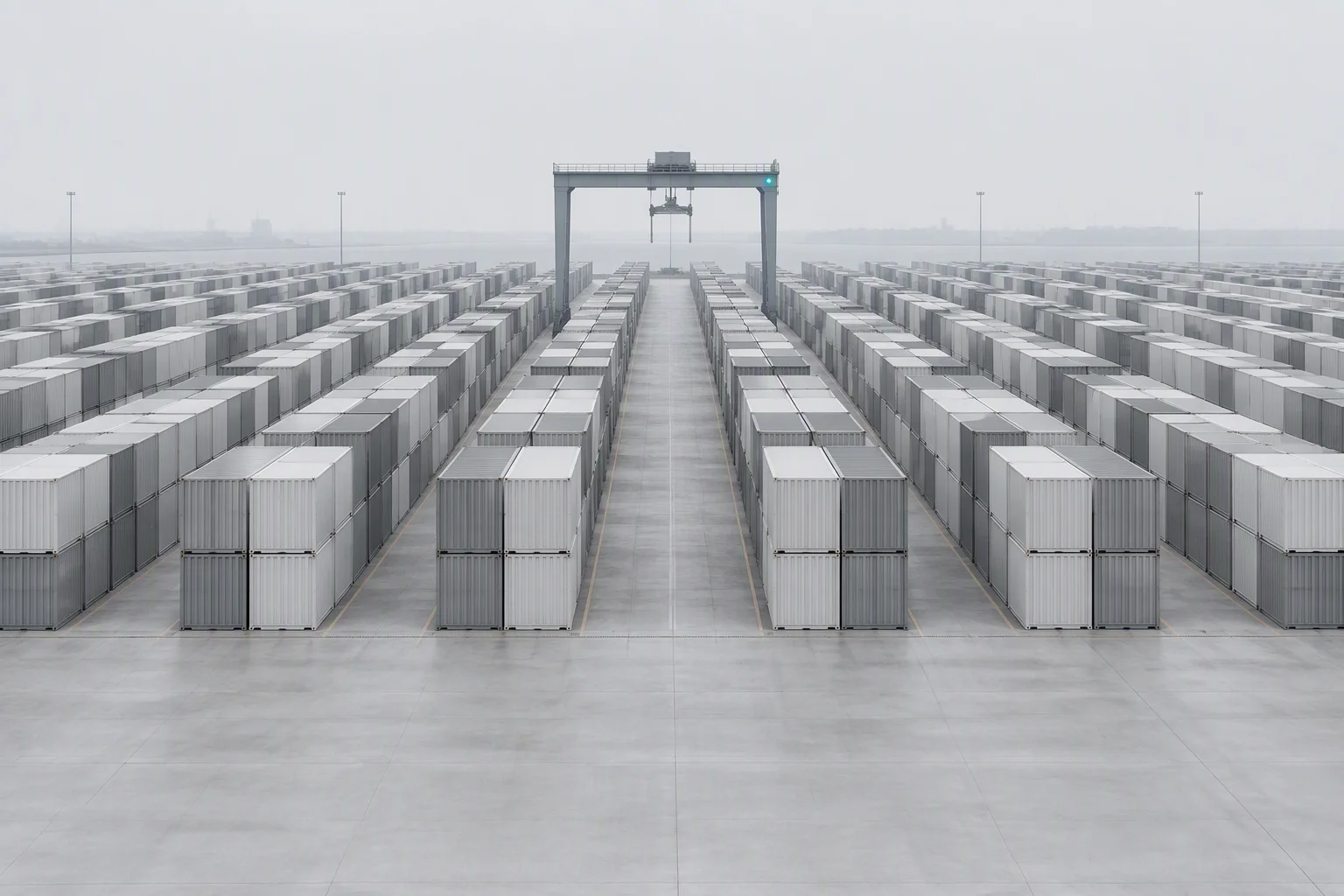
An elevated view of a container terminal with rows of stacked plain containers, a gantry crane and a pale horizon
Fig. 01The rule decides who books the box and who is exposed while it moves.
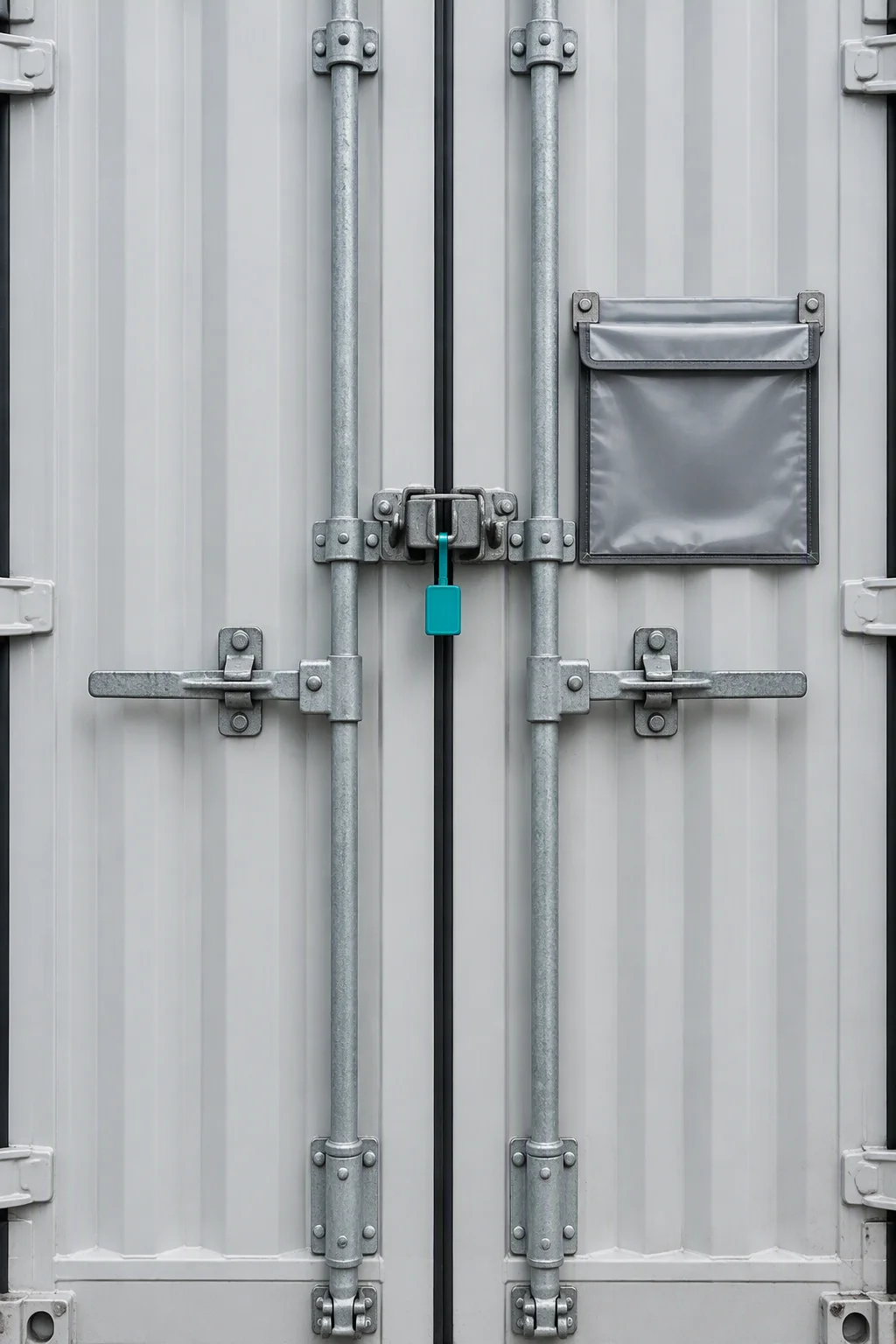
The locking bars and hinges of a closed container door with a teal seal through the handle and a document pouch
Fig. 02A seal changes hands with the risk. Under a C-rule the seller keeps paying after it does.
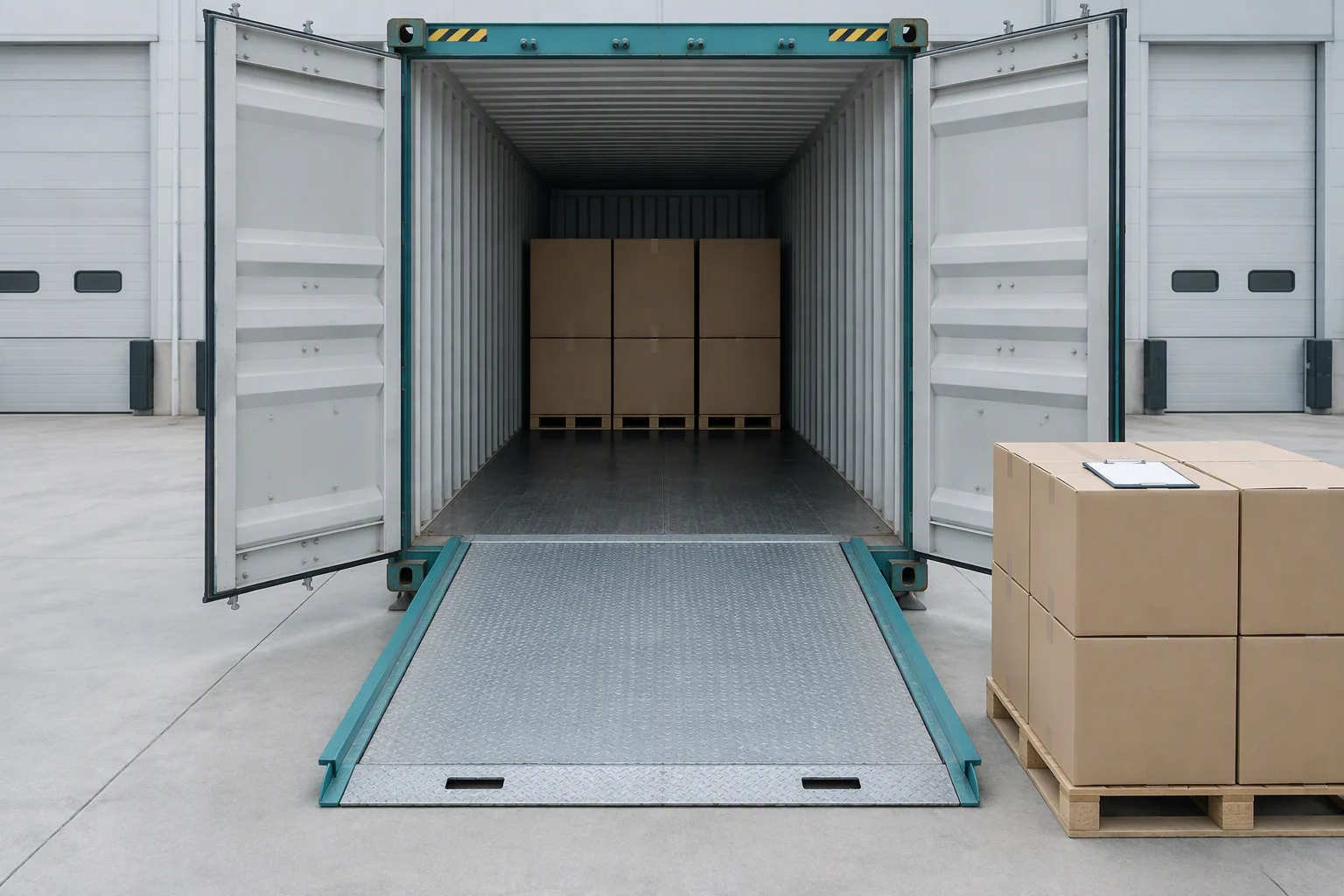
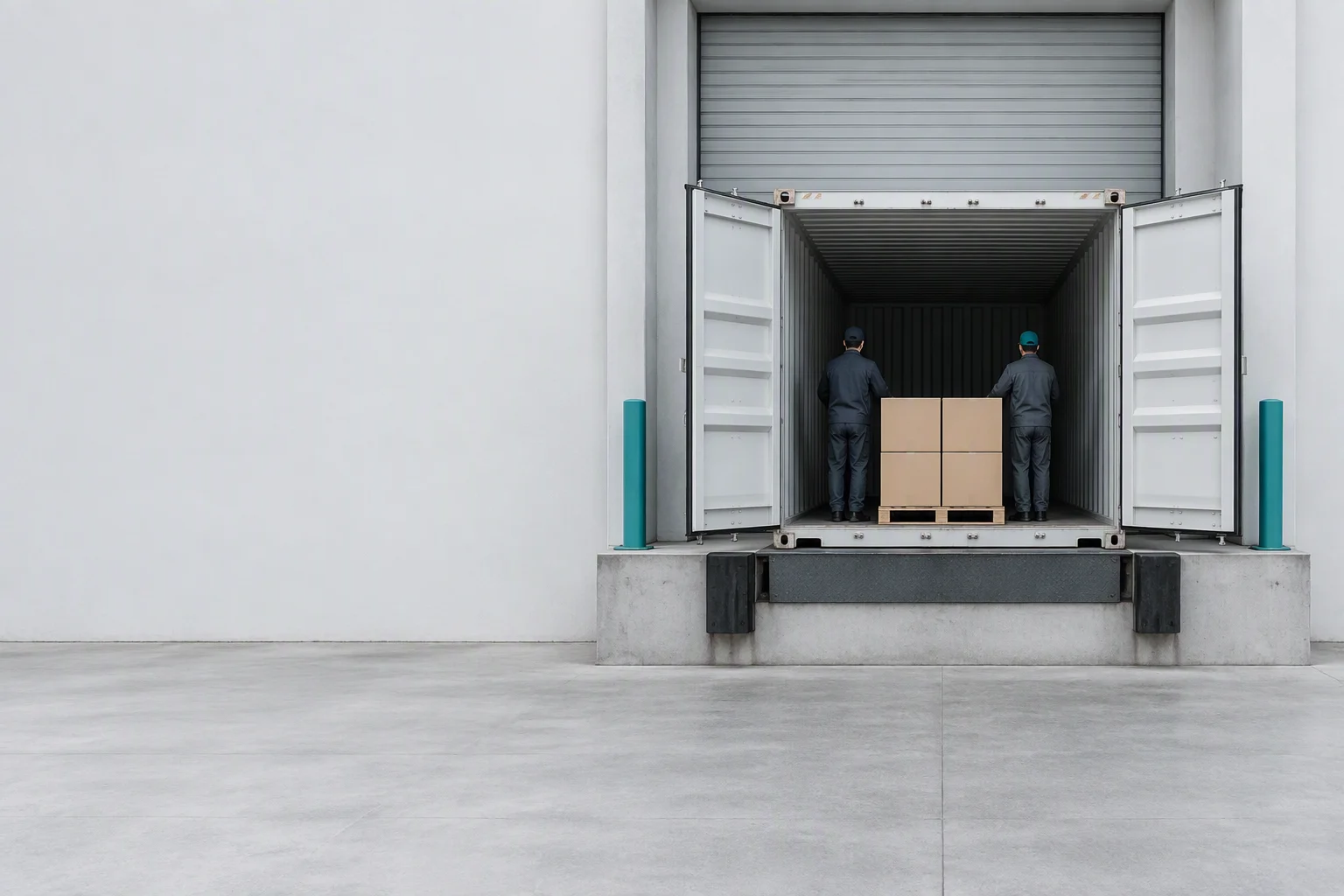
An open container with its doors folded back at a loading bay, a steel ramp in place and four palletised cartons waiting beside it
Fig. 03Where the handover happens is the whole content of the rule.

02The instrument

Eleven rules that allocate cost, risk and clearance.

ICC, 11 rulesIn force 2020-01-01Next edition expected around 2029

An Incoterm is not a price, a payment term, a title clause or a contract of carriage.

A closed grey notebook with a fountain pen and a brass rule lying beside it on a white surface
Fig. 04The sales contract carries what the Incoterm cannot: quality, warranty, late delivery, governing law.
01 What a rule does It allocates cost, risk and clearance duties between the buyer and the seller.
02 What it is not Not a price, not a payment term, not a title clause, not a contract of carriage.
03 What it never covers Quality, acceptance criteria, warranty, late delivery and governing law sit beside it in the contract.
04 Two families Any mode: EXW, FCA, CPT, CIP, DAP, DPU, DDP. Sea and inland waterway only: FAS, FOB, CFR, CIF.
A white meeting table with two chairs, a closed laptop, a small circuit board in a tray and a notebook beside a tall window
Fig. 05Say the rule and the named place. "FOB Shenzhen" and "FOB" are not the same instruction.
A fan of blank checklist sheets with empty tick boxes beside a pen, reading glasses and a small green circuit board in a tray
Fig. 06Write the rule into the order. A term agreed in a chat is not a term of the contract.

03All eleven

The whole of Incoterms 2020 on one screen.

7 rules for any mode4 sea and inland rules1 rule where the seller unloads

Read it in one direction: find who pays the main freight, then find where the risk moves.

Rule, mode, freight, insurance, export clearance and risk
RuleModeMain freightSeller insuresExport clearanceRisk transfer
EXWAnyBuyerNoBuyerAt the seller's premises
FCAAnyBuyerNoSellerOn delivery to the carrier
CPTAnySellerNoSellerOn delivery to the carrier
CIPAnySellerYesSellerOn delivery to the carrier
DAPAnySellerNoSellerAt destination, before unloading
DPUAnySellerNoSellerAt destination, after unloading
DDPAnySellerNoSellerAt destination
FASSeaBuyerNoSellerAlongside the ship
FOBSeaBuyerNoSellerOn board at the port of shipment
CFRSeaSellerNoSellerOn board at the port of shipment
CIFSeaSellerYesSellerOn board at the port of shipment

Scroll the table sideways

Two workers in blue overalls loading a palletised carton into a container at a warehouse bay
Fig. 07Loading is where FCA happens, and it is the moment the buyer's risk usually starts.
A foggy aerial view along an industrial waterfront with low warehouse roofs, a road and port cranes in the distance
Fig. 08Import clearance sits with the buyer under every rule except DDP.
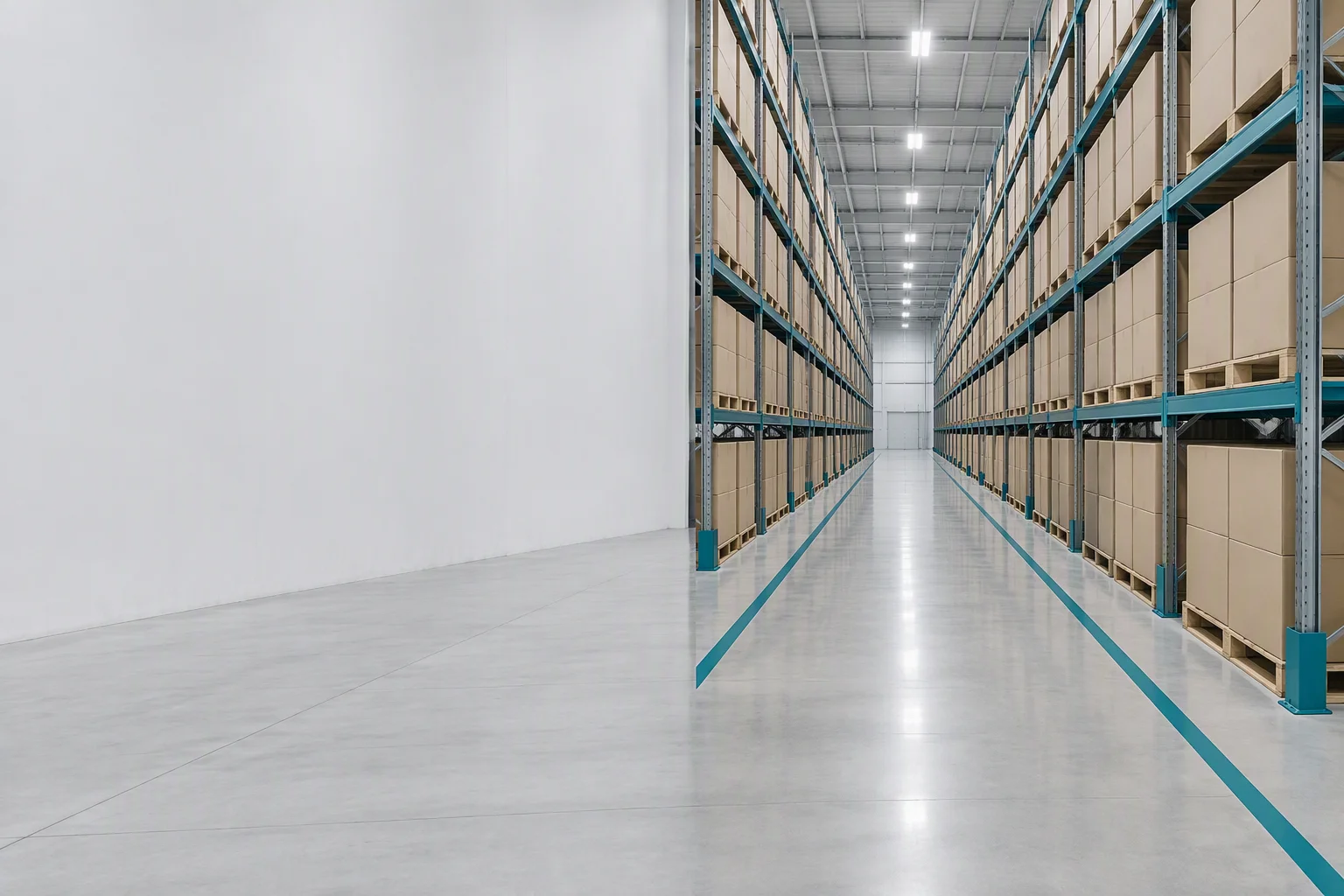
A warehouse aisle between tall racking loaded with palletised cartons, a teal guide line running down the floor
Fig. 09DPU is the only rule in 2020 where the seller unloads at destination.

04The C-group trap

Paying the freight is not carrying the risk.

CFRCIFCPTCIP

Under CFR and CIF the risk passes when the goods are on board at the port of shipment, exactly as under FOB.
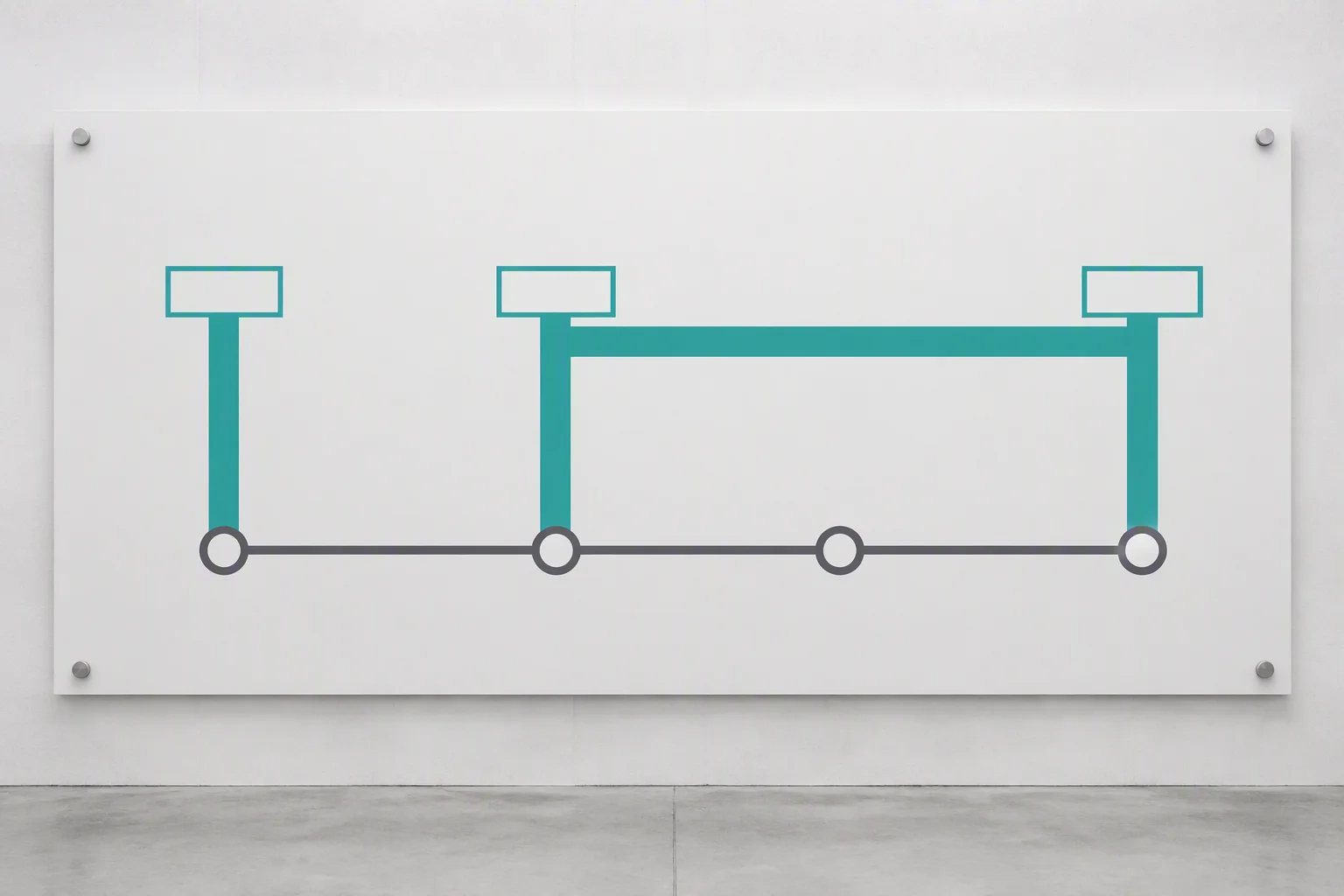
A whiteboard carrying a single horizontal line with four ringed markers, two of them joined by a teal path rising to two blank boxes
Fig. 10Cost travels further than risk. That gap is the entire C-group.
01 What the seller adds Cost, not risk. A freight invoice is a transport service, not an assumption of risk.
02 Who claims if the box is lost The buyer's cargo insurance, even though the seller arranged and paid the freight.
03 Why a C-group quote looks cheap You are paying for a transport service and holding the marine risk yourself.
04 If you want the seller exposed longer Buy DAP, risk before unloading, or DPU, risk after unloading. Both are priced for it.
Three open power supplies standing in front of three open cartons with a clipboard and a pair of white gloves
Fig. 11Read the insurance certificate you receive, not the cover you were promised.
A wall-mounted battery cabinet, an AC charging wallbox and a framed solar module staged against a pale wall
Fig. 12A shipment contract, not a delivery contract. The rule decides exposure, not arrival.

05Insurance and the FCA option

CIP insures at ICC (A). CIF stays at ICC (C).

CIPCIFFCA A6/B6On-board bill of lading

For electronics that difference is real: ICC (C) is a narrow named-perils cover.

CIF and CIP, side by side
ItemCIFCIP
ModeSea and inland waterway onlyAny mode, including multimodal
Risk passesOn board at shipmentOn delivery to the carrier
Default insuranceICC (C)ICC (A)
Wider coverOnly if agreed expressly in the contractAlready the default

Scroll the table sideways

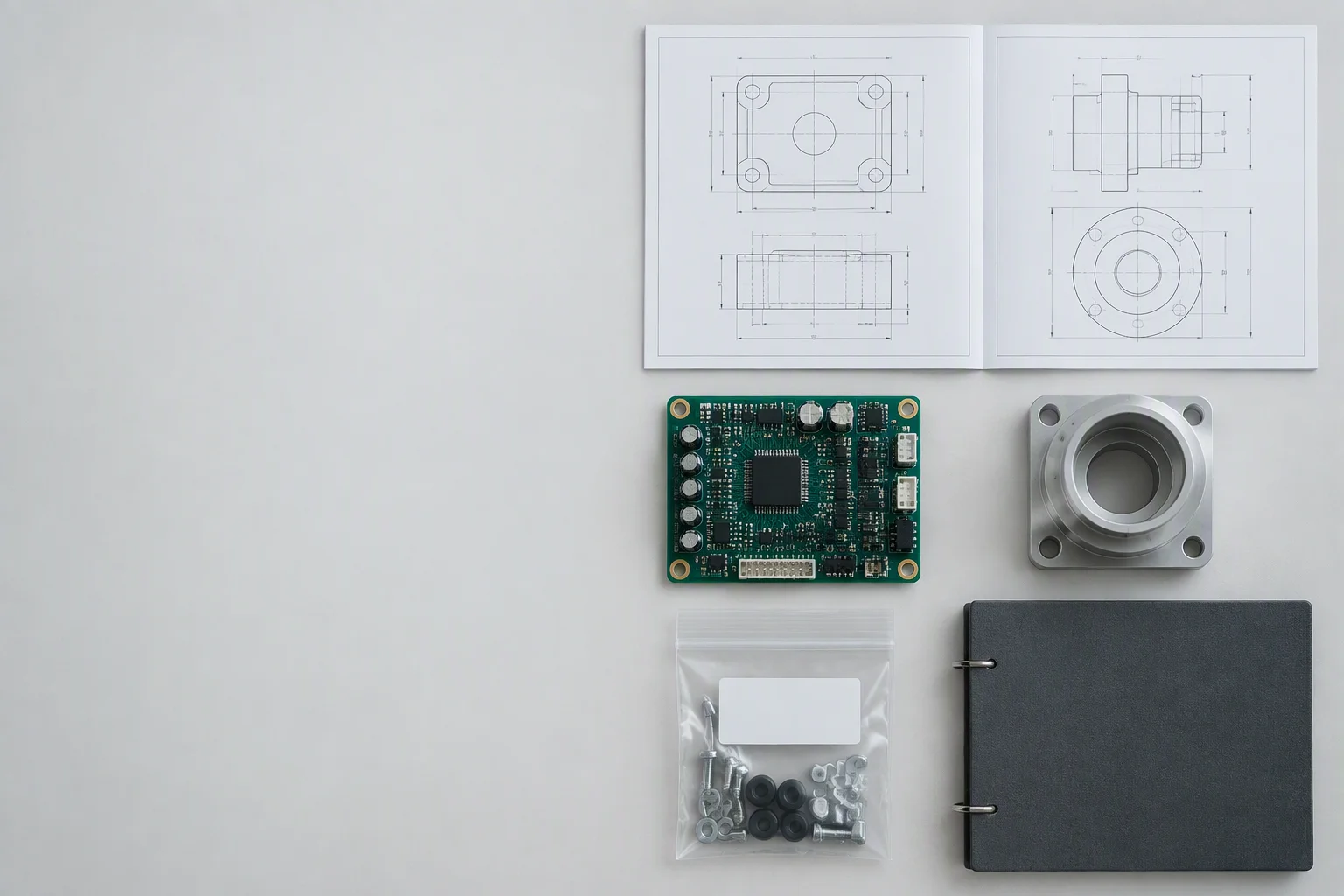
A dimensioned drawing, a populated green circuit board, a sealed bag of fasteners and a dark ring binder laid out on a pale bench
Fig. 13An insurance default is a floor, not a ceiling. Agree the cover you want in writing.
A clipboard holding a blank ruled grid with empty tick boxes, a rolled drawing, a black pen and a green clip beside it
Fig. 14Invoke A6/B6 in the contract before you rely on an on-board bill of lading.
A tall black rack PDU with a vertical row of outlets beside a brushed steel switch box with a black handle
Fig. 15The carrier has no obligation to cooperate. Confirm the bill with it before shipment.

Incoterms 2020 added an FCA option at A6/B6 for an on-board bill of lading issued after loading.

The ICC added it because letters of credit call for one. The carrier is not obliged to cooperate.

06Why not EXW · reason one

China's customs system has no EXW code.

GACC Announcement 2019 No. 18Article 27Six codes

EXW is not one of the six transaction methods China's declaration system offers.
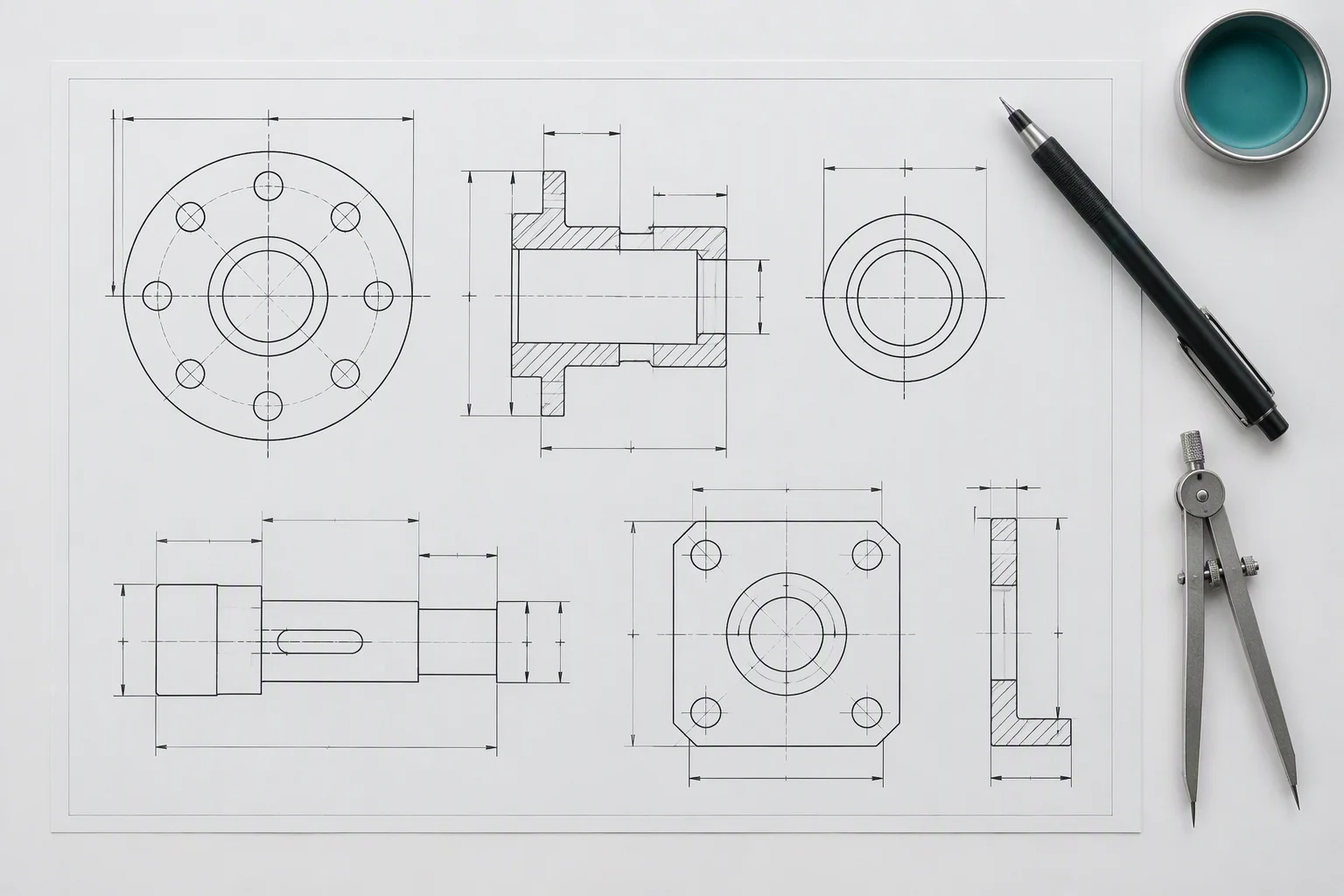
A dimensioned technical drawing on a white sheet with a black pencil and a pair of dividers beside it
Fig. 16The declaration is the document the whole downstream chain is read from.
China's transaction-method code table
CodeTransaction method
1CIF
2C&F
3FOB
4C&I
5Market price
6填仓

Six records, and no EXW

What travels with the order

The document set
DocumentWhat it is for
Commercial invoiceValuation, duty and payment
Packing listPieces, weights, volume, marks
Bill of ladingTransport contract and title document; three forms, by payment terms
Certificate of originOrigin for duty and trade measures
RCEP certificate or Form APreferential origin; Form A continues only for China and Guatemala
UN38.3 report and MSDSLithium cells and packs, by air or sea
Export declarationThe document the rebate is claimed against

Scroll the table sideways

A dimensioned engineering drawing on a pale sheet with a mechanical pencil and a pair of dividers beside it
Fig. 17An EXW sale is mapped onto a code that exists, normally FOB, so the two terms stop matching.
Two machined metal fittings and a drilled block on a pale bench above two blank sheets of paper and a pen
Fig. 18The rebate claim, the foreign exchange and the origin documents are all reconciled against that declaration.
Two hands measuring a machined part with a digital caliper above a blank inspection checklist, a bagged sample and a white glove
Fig. 19Every document has a purpose; the declaration decides the rebate.

GACC Announcement 2019 No. 18, Article 27 — published 22 January 2019, effective 1 February 2019.

A customs service answer filed on 23 March 2026 and answered on 26 March 2026 states that EXW transactions create an export-rebate obstruction.

07Why not EXW · reason two

The export rebate follows the declaration.

2026 No. 5Effective 2026-01-01

Under EXW the buyer arranges export, so the declaration is filed in the buyer's name.
Two rack-mount units standing in front of an open wooden crate with white foam blocking and a document on the lid
Fig. 20Neither a declaration in its own name nor the bill of lading.
01 The current rule SAT Announcement 2026 No. 5, effective 1 January 2026, repealing the 2012 rule.
02 Four conditions, all of them Sale to an overseas entity; declaration and actual departure; revenue recognised; foreign exchange received.
03 Two mechanisms A producer uses exempt-credit-refund on FOB value; a trading company on the VAT invoice amount.
04 Why it decides the quote A trading company earns a margin on the spread. Losing the rebate on the whole export exceeds it.
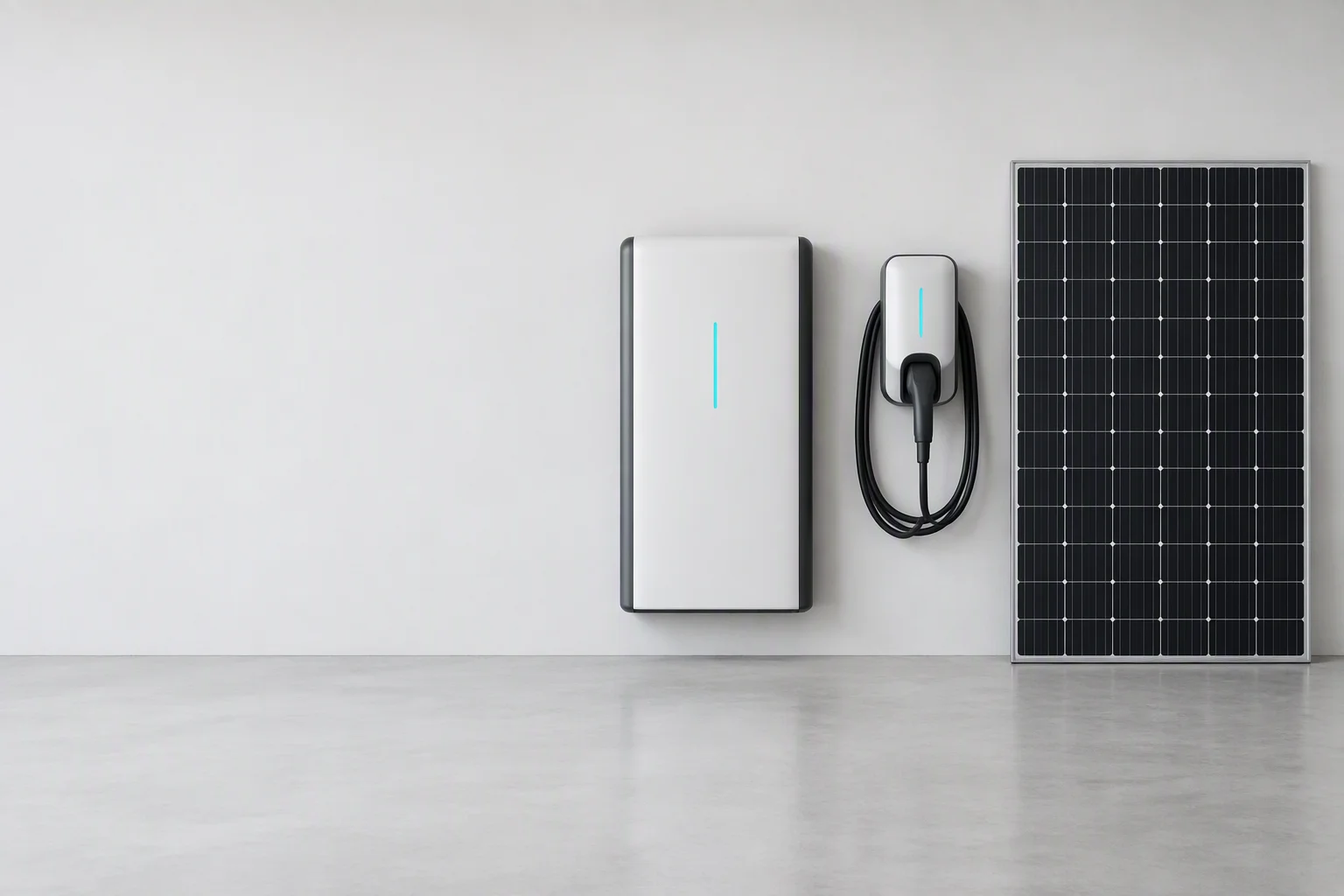
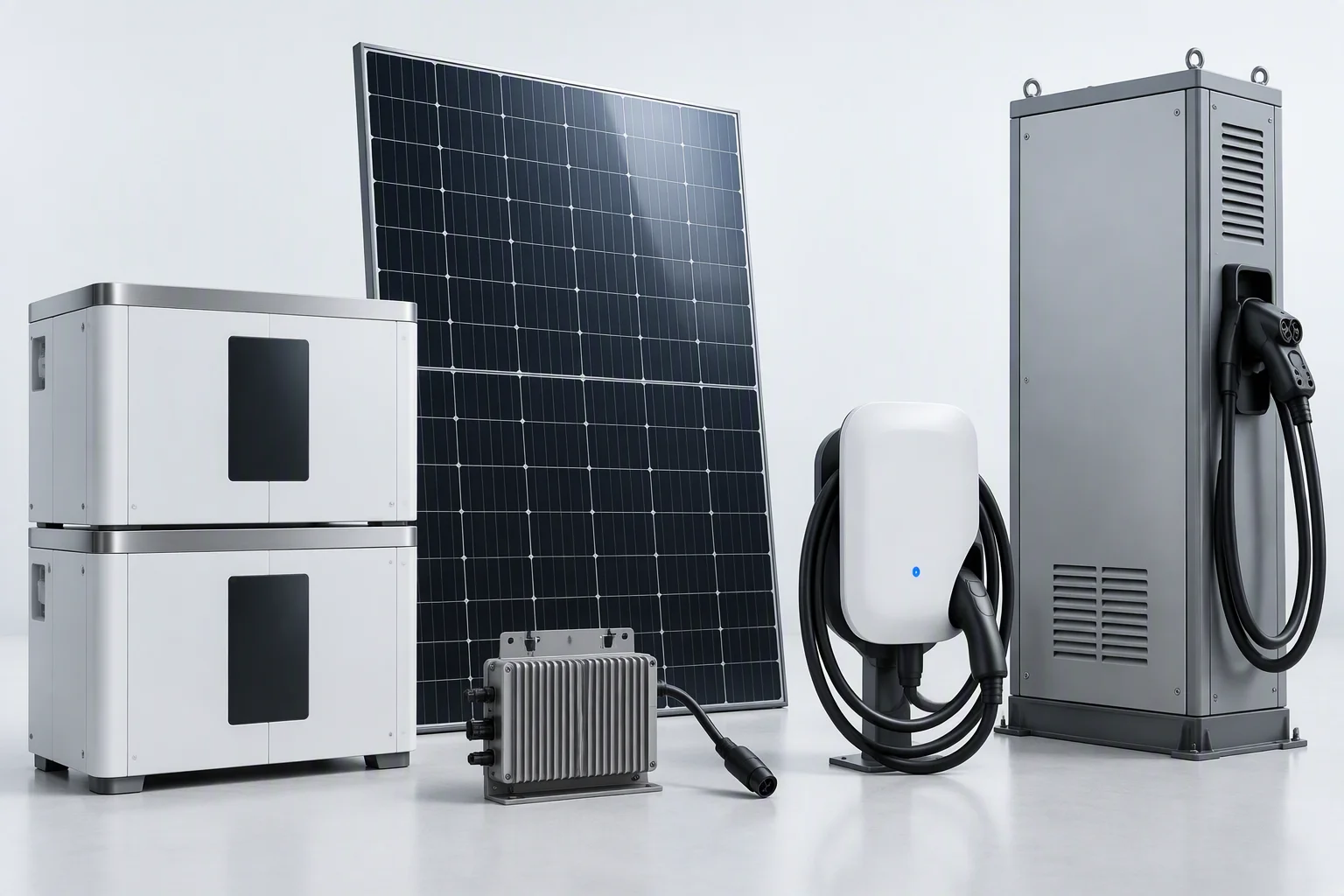
A stacked battery cabinet, a bifacial solar module, a DC fast charger and an AC wallbox staged in one row
Fig. 21Where the rebate rate is below the VAT rate, the gap is the exporter's cost.
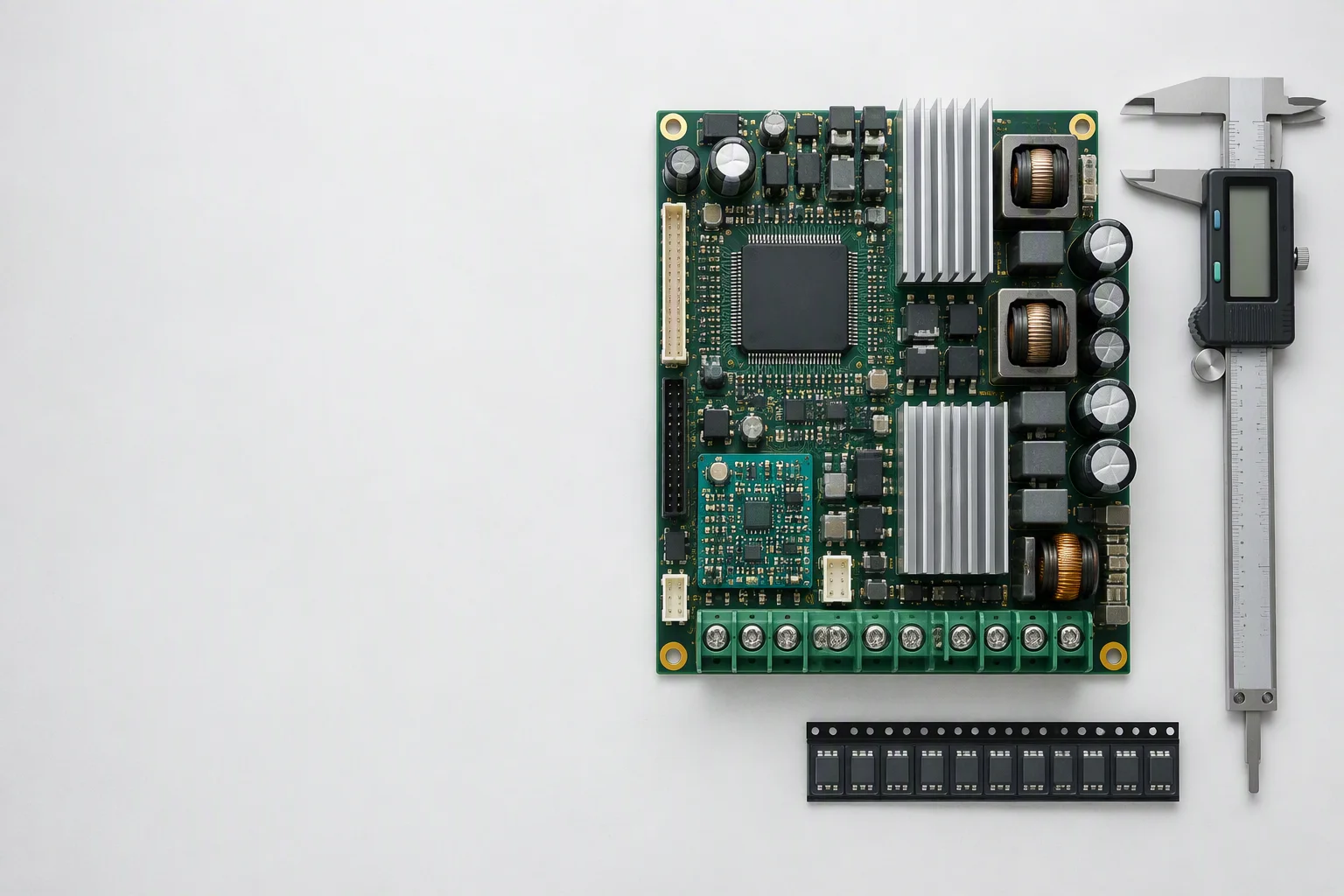
A populated green circuit board on a pale bench beside a digital caliper and a strip of screw terminals
Fig. 22The mechanism is the same for every commodity.

No electronics rebate rate is stated on this site.

The gap between the VAT and rebate rates is a mechanism, not a rate; it depends on the commodity code.

08What we quote

FOB by default. FCA inland. CFR or CIF only when we sell the freight.

FOBFCACFRCIFNo DDP to the US

One term each, and the reason it is the one we quote.
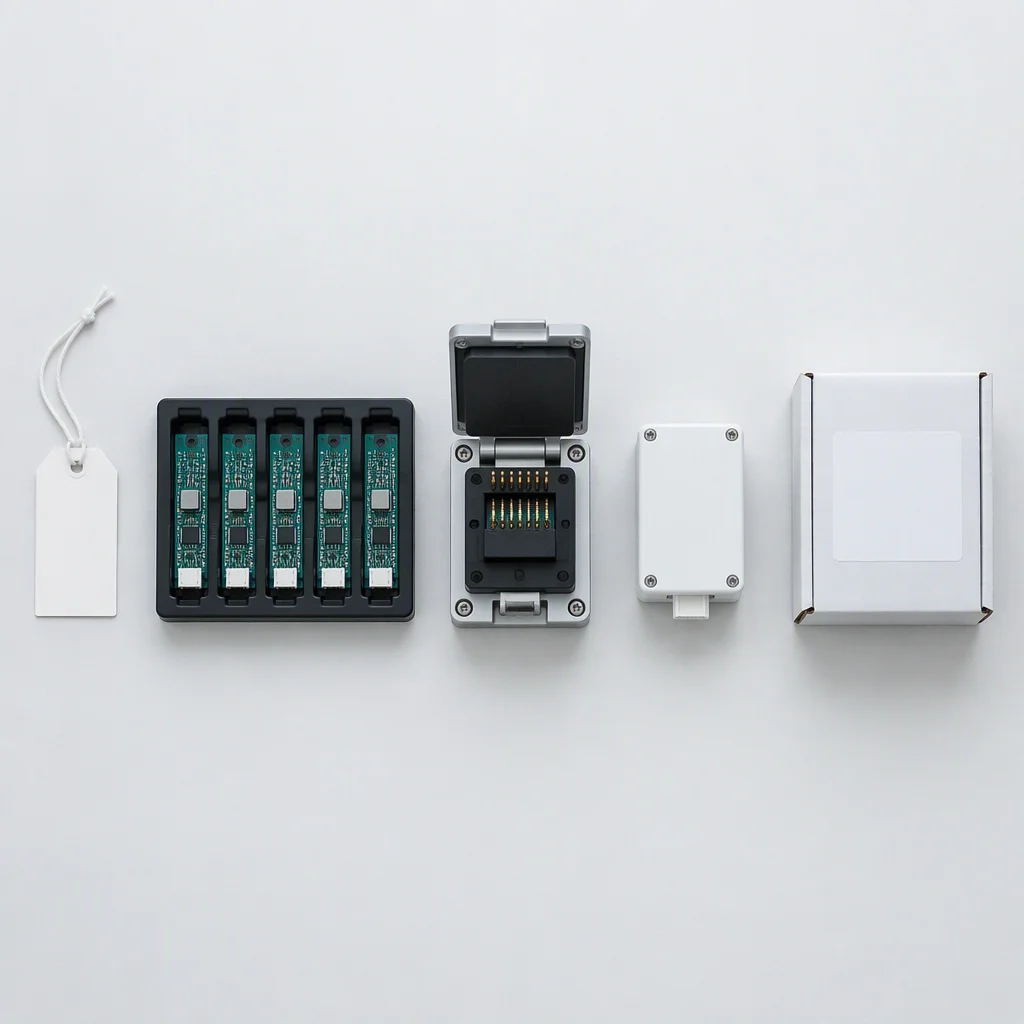
Four identical green circuit boards standing in a black tray beside a small hinged enclosure, a white box and a blank tag
Fig. 23What is actually on the water: a board, in a box, on a pallet, in a container.
01 FOB — the default The seller completes export clearance, which keeps the declaration in the seller's own name, and risk passes on board.
02 FCA — inland stuffing The correct rule when the container is loaded at an inland factory, and export clearance stays with the seller.
03 CFR and CIF Only when we book and pay the ocean leg. It does not move the risk point, and the quotation says so.
04 DDP Not quoted for US destinations while the tariff position is unstable. A DDP price needs a tariff-adjustment clause.
Transit reference from Yantian — typical, indicative only
RouteTypical transit
Yantian to Long Beach14 days
Yantian to Los Angeles14–17 days
Yantian to Rotterdam26–28 days
Yantian to Hamburg28–30 days
China to Duisburg, by rail21–23 days

Typical values, not a schedule

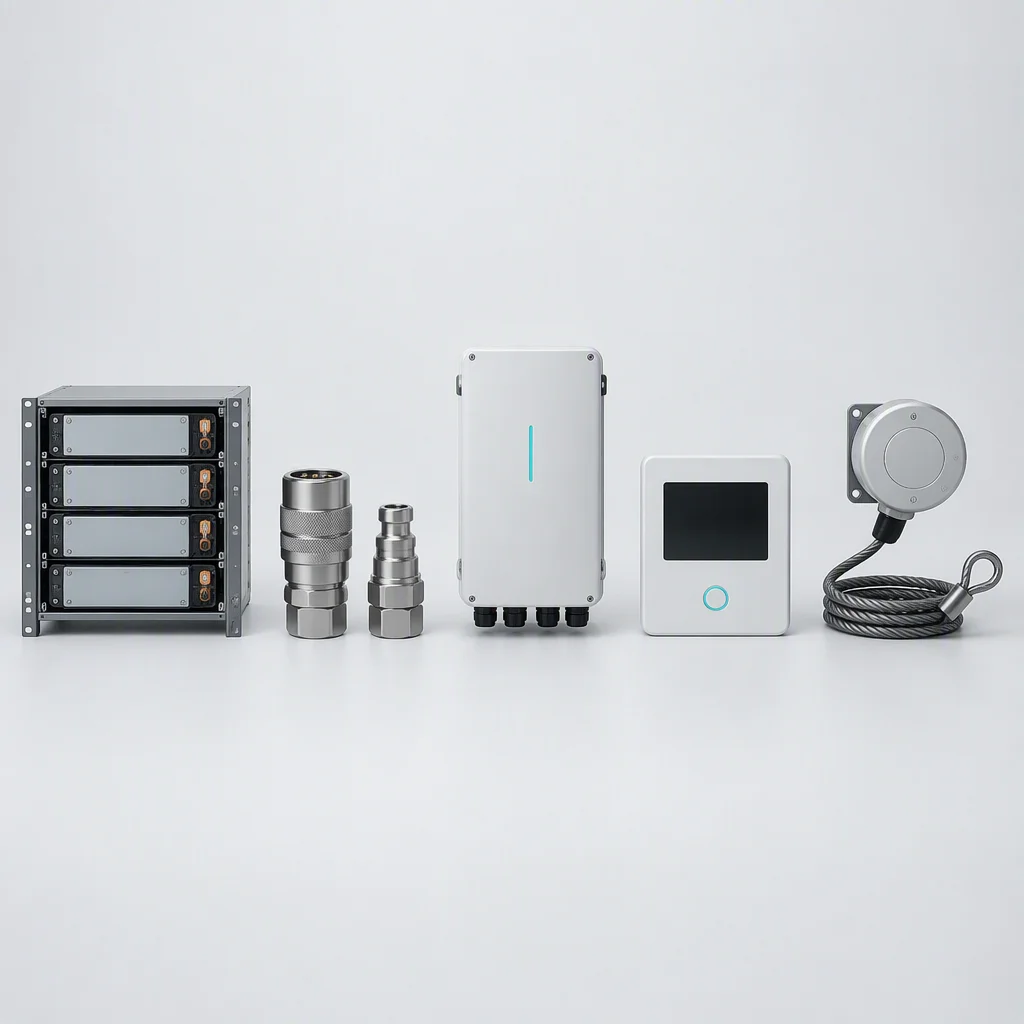
A four-shelf rack unit, two machined quick disconnects, a sealed enclosure, a small panel and a coiled security cable in one row
Fig. 24Transit figures are for planning, never for contracting.
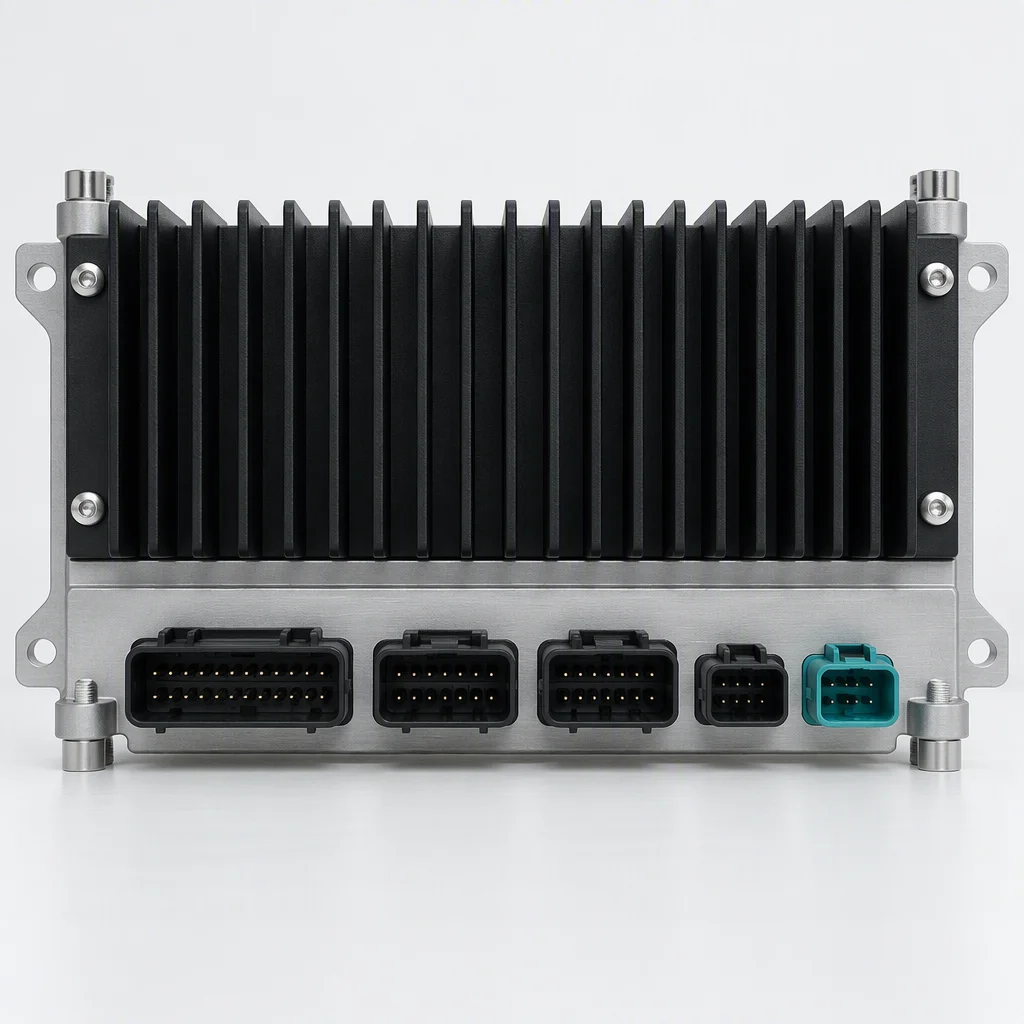
A black finned heatsink assembly with a machined bracket and five connectors, photographed square to the camera
Fig. 25The rule decides who pays the freight. The HS code decides the duty.
Two slim rack-mount units standing side by side on a pale floor, photographed square to the camera
Fig. 26Air and express exist for the urgent box, and neither changes the term.
Freight profiles from
EMS-SOLARRackForgeVoltBridgeEMS-EBIKE

09Questions

The four we are asked most.

FOBCIP vs CIFEXWDuty

Short answers, and the reasoning behind each one.
Q1 Who pays what under FOB? The seller delivers on board, clears export and pays origin charges; the buyer pays freight, insurance and import clearance.
Q2 Is CIP worth more than CIF? For electronics, usually: CIP defaults to ICC (A) against CIF's ICC (C). Or keep CIF and agree ICC (A) expressly.
Q3 Can I still ask you to quote EXW? No. The code table has no EXW entry, and the declaration would move out of our name with the rebate documentation.
Q4 Does the Incoterm change my duty? No. Duty follows classification, origin and value. The rule decides who pays the freight and who is exposed.
Q5 Where do I read more? How to vet a Chinese supplier, and the board categories these terms are quoted on.
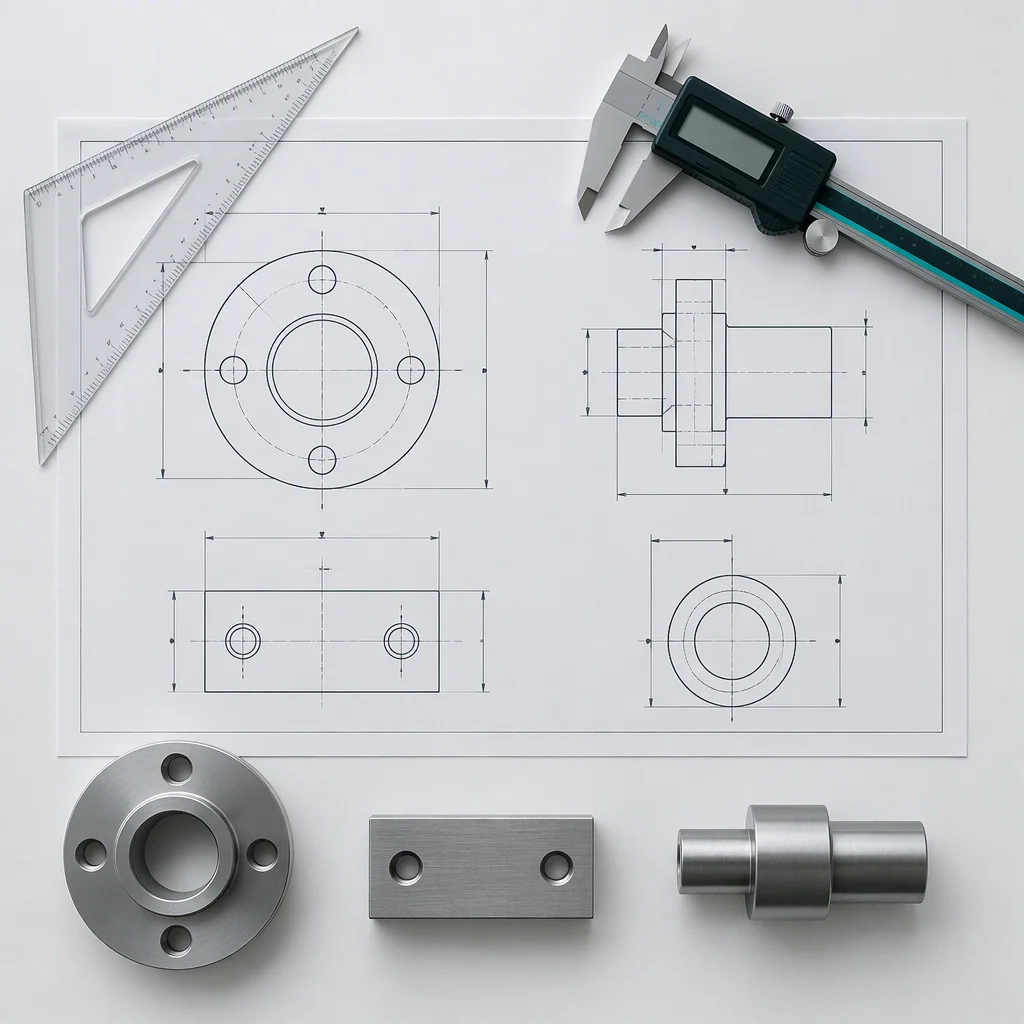
A dimensioned drawing squared to the frame with a digital caliper, a set square and three machined sample parts
Fig. 27The term is one line of a quotation. The specification is the rest of it.
Two hands in white sleeves working on a green circuit board with tweezers under a magnifier lamp, six connector samples laid out below
Fig. 28Ask which term the quotation uses, and read it before comparing prices.
Two people at a white table reading a dimensioned drawing, one holding a pen over the sheet
Fig. 29Any term can be quoted. Two of them we will not.
A container yard with rows of plain containers receding down the quay and gantry cranes standing against a pale sky
Fig. 30Ask which term each line of a quotation uses. Then compare the prices.

10Start

Send us your spec.

Tell us the destination and the volume. We will quote FOB, or FCA if the container is stuffed inland.

Recorded. An engineer will reply.

Written technical assessment, from eric@dfshk.cn.

Book a factory visit Questions buyers ask us eric@dfshk.cn · +86 152 3512 7440